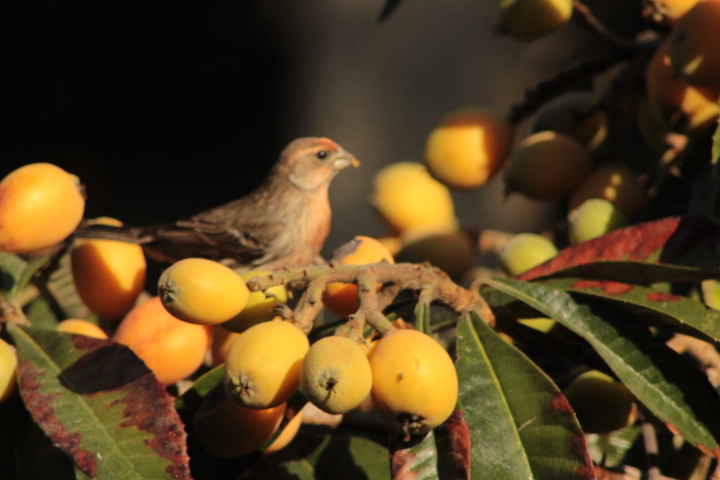
There are plenty of loquats to share and a comfortable seat to soak up the sun’s rays.
House finches love fruit.
Such a bountiful harvest; where do I begin?
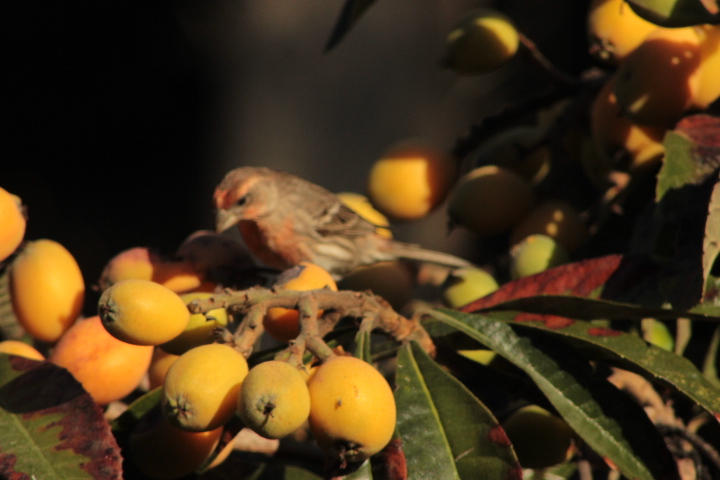
This one looks good and ripe.
How about a profile pic?
There are plenty of loquats to share and a comfortable seat to soak up the sun’s rays.
House finches love fruit.
Such a bountiful harvest; where do I begin?
This one looks good and ripe.
How about a profile pic?
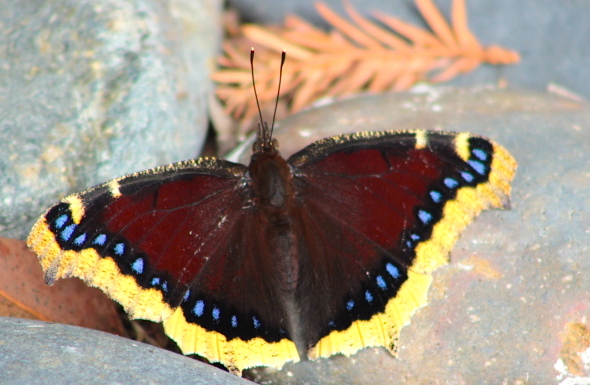
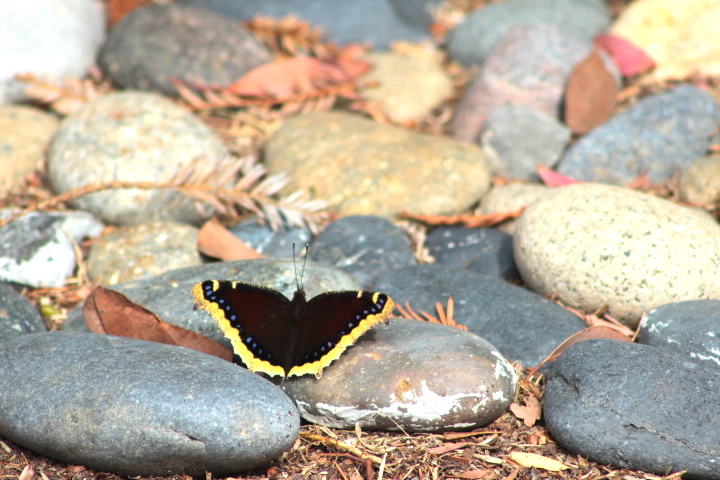
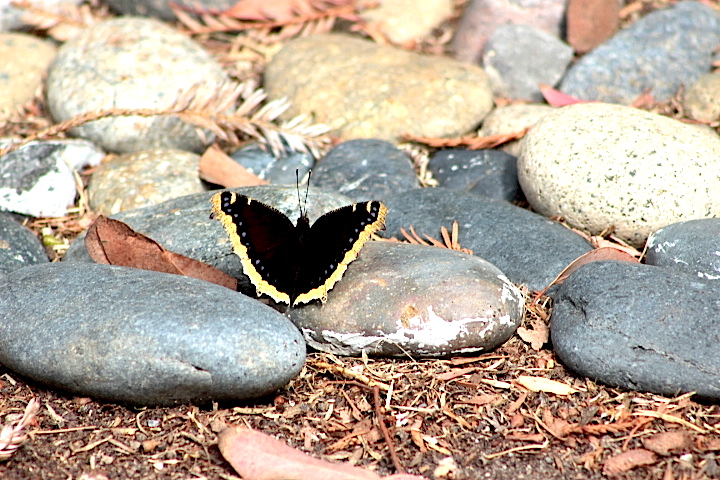
…floating effortlessly on the soft breezes, possibly to lift our spirits lowered by the demise of the baby hummingbirds, is a butterfly sprite of cerulean polka dots and bands of gold called Mourning Cloak (Nymphalis antiopa).
With a nod to Lizzi @ Considerings who asked the question on her Facebook page and got me thinking about one of my favorite books, Betty Smith’s 1943 novel, A Tree Grows in Brooklyn; here in my garden, although water use is now restricted because of the drought and we can no longer grow brightly colored but thirsty blossoms, there’s still beauty if you look for it.
Mother Nature is amazing.
Catching some rays on the rock garden.
So pretty…
Can I come a little closer?
What grows in YOUR garden?
Take a walk with me around my garden where we once again have temps in the 80s. (Don’t hate.)
Birds are nesting and everything else is blooming and growing.
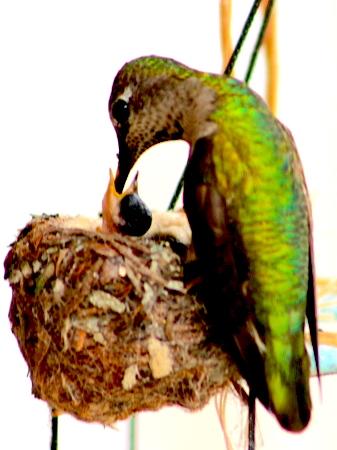
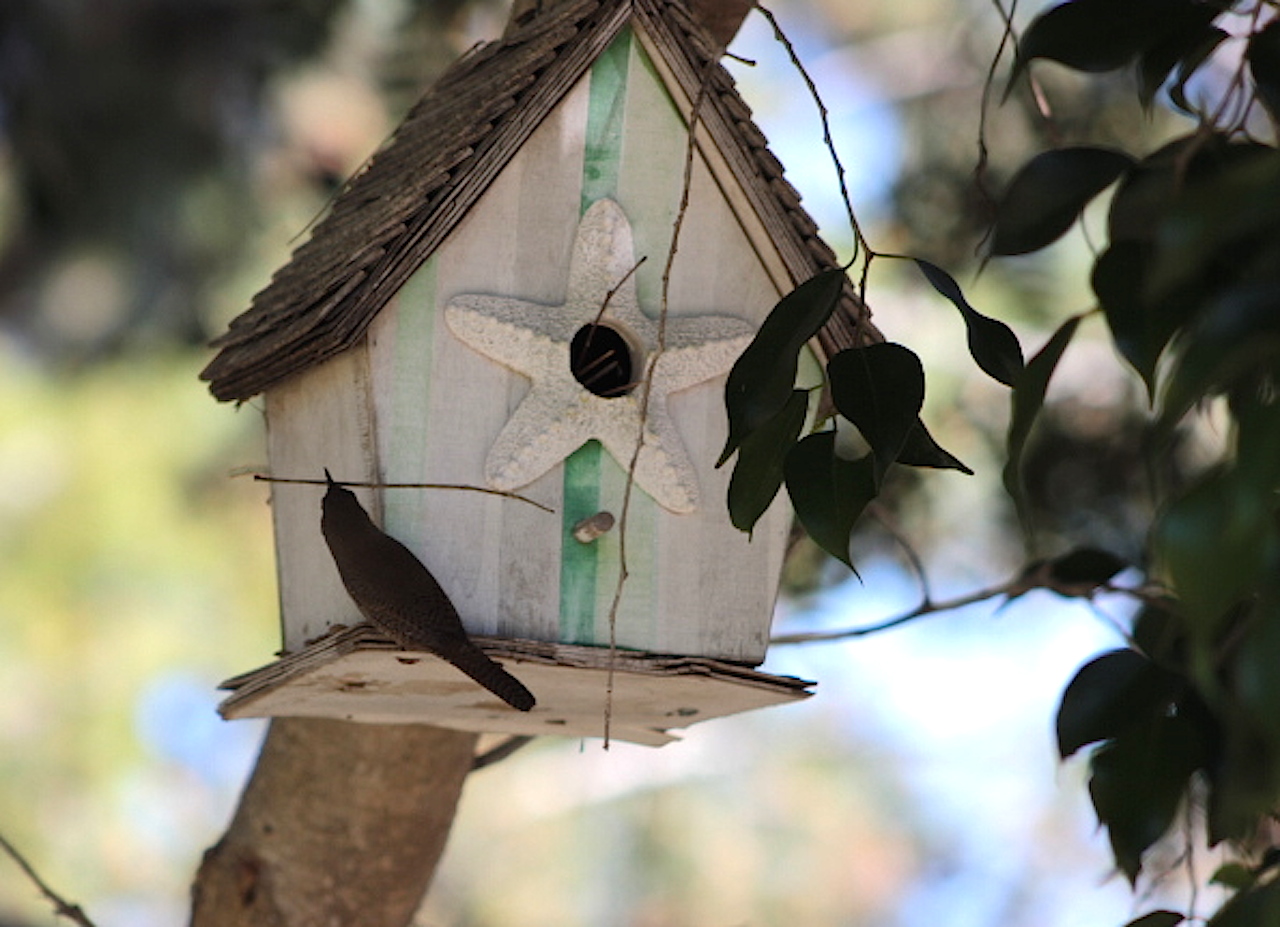
Bringing a twig to her babies. I think she’s a Warbling Vireo.
Lucky mom, HER nest won’t be empty this year like mine is!
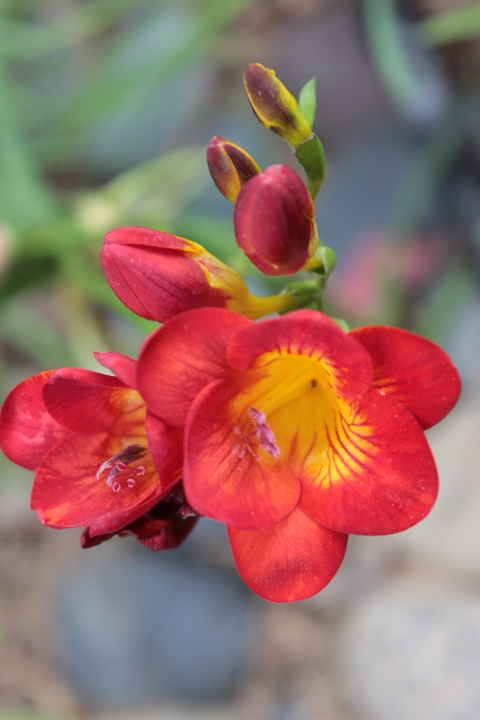
A fragrant freesia.
Nectarine in bloom.
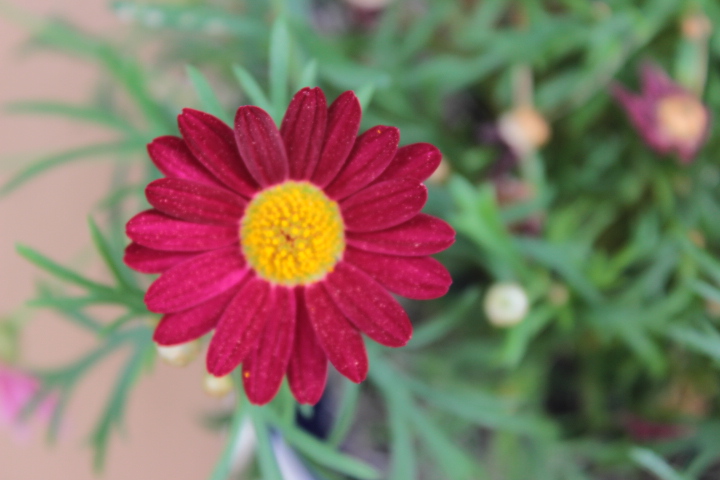
Marguerite Daisy.
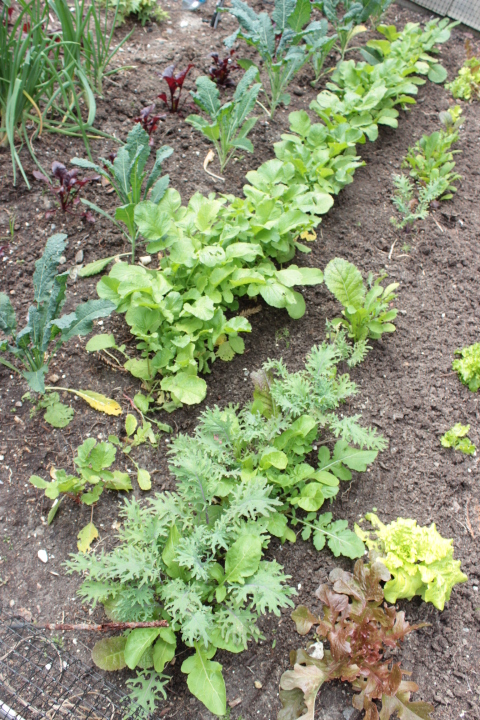
The veggie garden, lots of lettuce, radishes, kale, and beets.
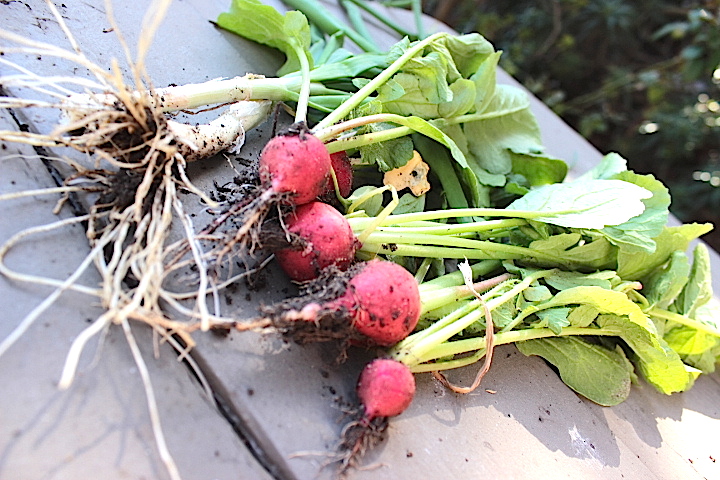
Yummy, spicy radishes and spring onions.
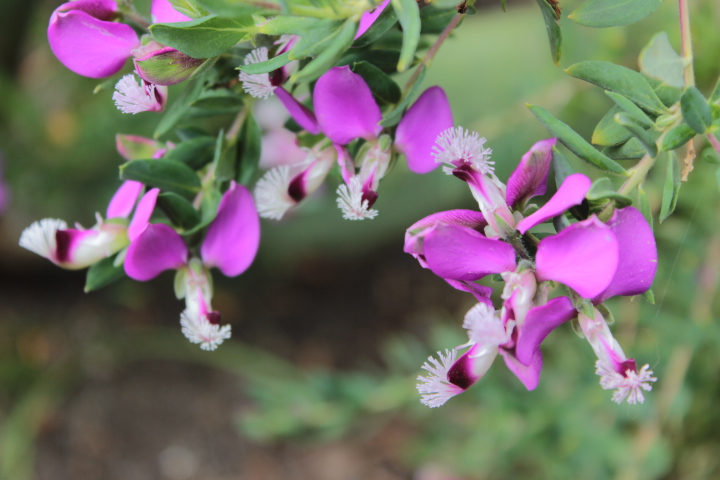
Sweet Pea Bush

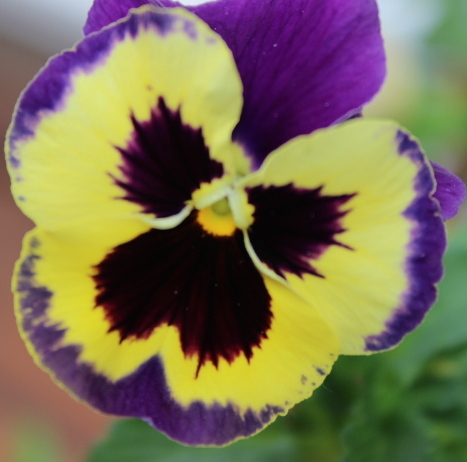
Happy Pansy!
Happy Spring!
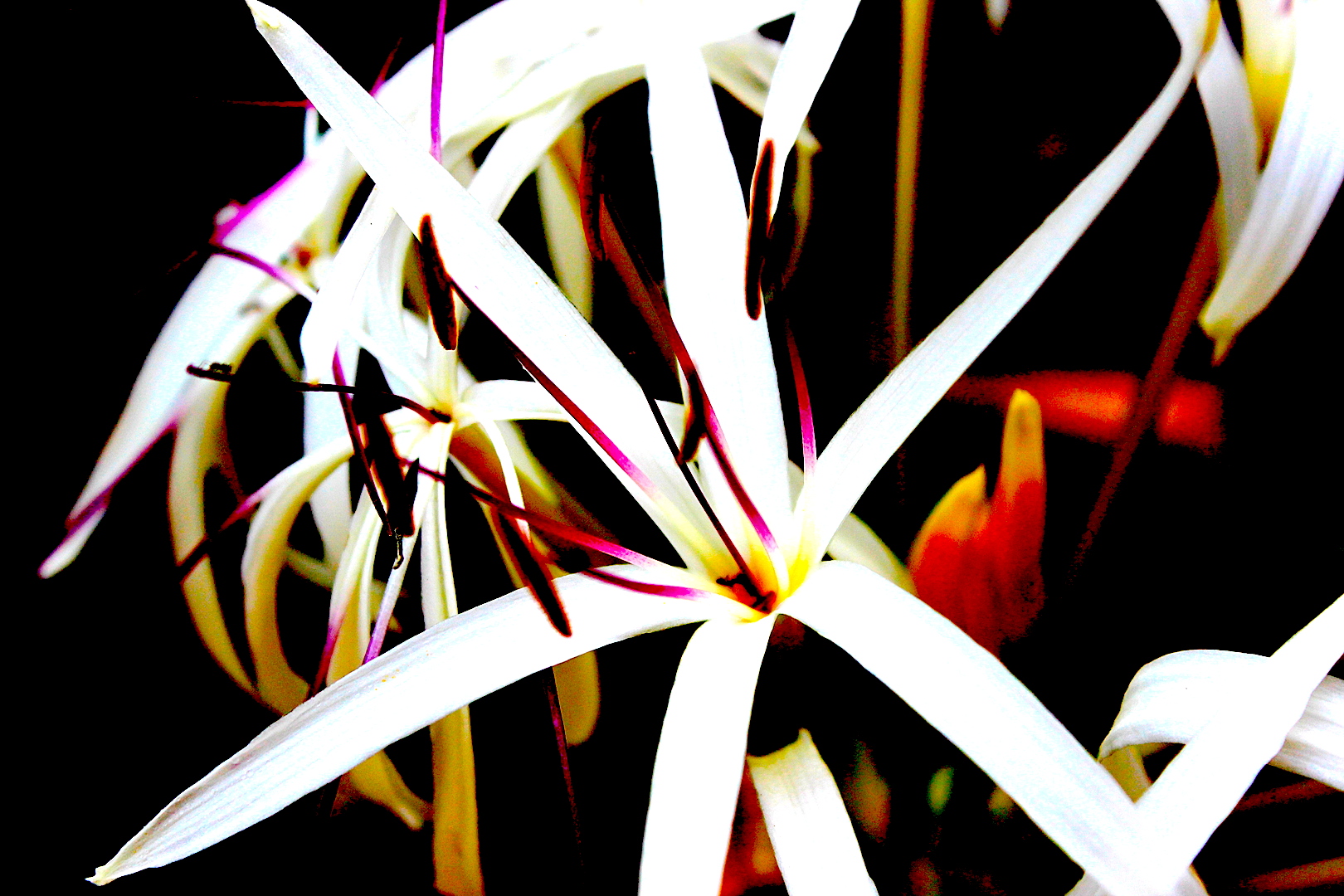
UPDATE: I just found out that it’a Giant Spider Lily (Crinum asiaticum).
I don’t know the name of this plant; it was here when we moved here nearly forty years ago, but it blooms every summer and the fragrance is strongest after the sun sets.
How about helping me solve the mystery — if anyone knows what it is, please let me know!
I’m in love with this bright red little guy.
The Gymnocalycium cultivar — sometimes called ruby ball cactus or moon cactus — is actually two cacti in one.
A pure red cactus seedling lacks the ability to produce chlorophyll and will die unless it’s grafted onto a green one. The green feeds its mutant mate sugar molecules produced from water and carbon dioxide.
Once established, the two parts grow together so you can’t even see the seam.
I’m going to try and graft the babies on either side of the main ball onto other types of cacti in the garden. Wish me luck!