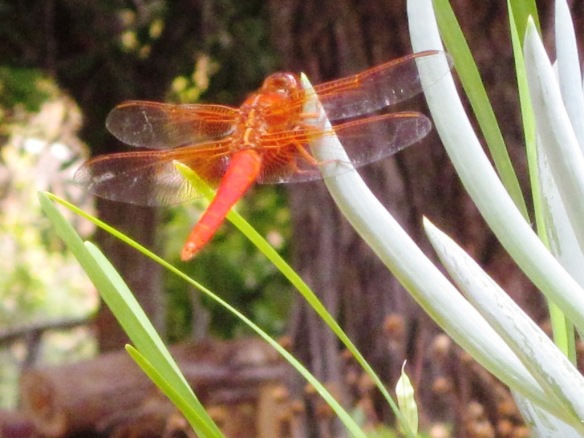
Dragonfly Razzle Dazzle

Photo by Enchanted Seashells

So…I got sick again, this time a really nasty upper respiratory virus with a high fever and a headache that made me want to chop off my head, that’s how bad it hurt. I wasn’t able to read or watch TV or do anything but lay in bed with an icepack on my forehead.

I hadn’t been sick in so long that I had forgotten how miserable it feels. As if shingles wasn’t bad enough, this was the icing on the cake of misery.

Now that I seem to be on the mend after some much-needed antibiotic help since I got a secondary bacterial lung infection, I’m looking at some drafts I started before I wasn’t able to function.

Right after I was almost completely healed from shingles, I took a walk and encountered a beautiful sight — dozens of dragonflies swirling around the front yard of a neighbor’s house.I took a photo but it didn’t capture the incredible vision of loveliness.

I think what I witnessed was a feeding swarm.

I’ve never seen more than one or two dragonflies at a time so I did some research. A group of dragonflies is most commonly called a swarm. Other, less common terms sometimes used include a flight, a cluster, or a dazzle. 

Dazzle is funny because it makes me think of jazz hands. “Jazz hands!” IYKYK

Dragonfly swarms generally fall into two categories:

  • Feeding swarms: Small groups that hover low to the ground to catch smaller flying insects in a specific area. To see a large group of dragonflies means you’ve stumbled upon a massive feeding or migratory swarm. Biologically, it indicates a high abundance of flying prey like mosquitoes, often triggered by humid weather, or a seasonal shift. Symbolically, it represents transformation, adaptability, and positive change. A bunch of dragonflies spiritually amplifies the core symbolism of a single dragonfly: transformation, adaptability, and emotional maturity. Because they gather in groups, a swarm or cluster often represents a major shift in your life, a blessing of prosperity, or the energetic Massive Transformation: Just as a dragonfly goes from living in water to flying in the air, a cluster of them indicates a period of profound personal metamorphosis. It is an encouraging sign to trust the changes you are going through.
  • Spiritual Messengers: Many mystic and cultural traditions view dragonflies as bridges between the physical and spiritual realms. A gathering is often interpreted as a visual reminder that guardian angels or deceased loved ones are nearby and watching over you. 
  • Abundance and Prosperity: In Chinese and Japanese folklore, dragonflies symbolize good fortune, swift success, and harmony. A bunch of them is a highly positive omen signaling incoming blessings, success, or wealth. 
  • Emotional Clearing: Because of their strong connection to water, seeing them together is often a prompt to dive deep into your own emotions, release past illusions, and embrace new beginnings with a lighter heart.

I’m not sure how that applies to my own personal cluster of feeling like shit, but I’ll ponder on it while I lay here suffering in my woe-is-me state of wretchedness.

Here’s a cool poem about dragonflies by Tennyson, who wrote it in 1833:

    The Dragon-Fly
    Today I saw the dragon-fly
    Come from the wells where he did lie.
    An inner impulse rent the veil
    Of his old husk: from head to tail
    Came out clear plates of sapphire mail.
    He dried his wings: like gauze they grew;|
    Thro’ crofts and pastures wet with dew
    A living flash of light he flew.
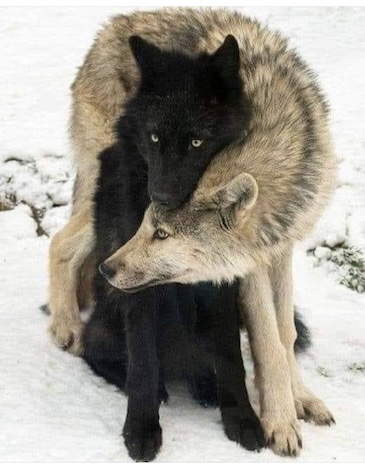
    Wolf Love: Yin and Yang

    All things exist in a state of continuous flow and harmony.

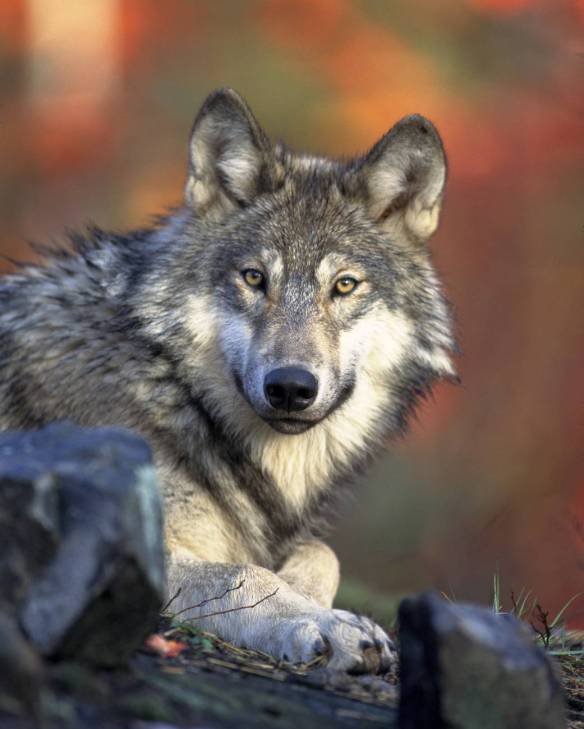
    A female wolf will wrap herself around the neck of her mate because the neck is their most vulnerable part of the body.

    This is how she shows her unconditional love for her mate.

    Photo from Pinterest. Credit to the photographer.

    Wolves are apex predators and keystone species that shape entire ecosystems. They are extremely intelligent with complex social bonds and strong family loyalty.

    Wolves live in highly organized family units where they care for their young, mourn their lost, and protect injured members.

    Wolves are truly amazing. Humans really need to stop killing wolves and instead, we should learn from them and then we’d become better humans.

    The Monsters Among Us: No Justice

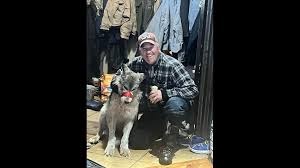
    I’m sure you heard the news about the wolf in Wyoming, right?

    To avoid inevitable nightmares, I tried not to see the photos or read the details of this horrendous crime but I felt that I needed to, out of respect and to honor this wolf’s life.

    A beautiful animal should not be subjected to torture and abuse. No one should. This young female wolf did not receive justice. It’s disgusting and absolutely sickening that supposedly normal people could commit and condone torture and inhumane treatment of animals–a trait often found among serial killers. There’s something missing inside of people like this, they’re broken human beings.

    I’m so sick and tired of cruelty–to animals, to children, to each other. It’s beyond depressing. What an evil, sad world we live in.

    On Feb. 29 2024 in Sublette County, Wyoming, Cody Roberts intentionally struck down a juvenile wolf with a snowmobile, taped the animal’s mouth shut, then brought the injured wolf to a local bar to show off and pose for photos. Afterward, the wolf — still alive — lay on the bar floor, suffering from internal injuries, while Roberts drank in celebration of his conquest. Eventually, Roberts killed the wolf outside behind the bar. Shockingly, nearly all of these actions were legal; Roberts was fined a mere $250 for possessing a live wolf. It’s alarming that anyone could attempt to justify such behavior, but that is precisely what Jeanne Ivie-Roberts, Cody Roberts’ aunt, has done. In an interview with DailyMail.com, Ivie-Roberts stated, “How exactly do you torture a wolf? Wolves are evil animals. They destroy our livelihoods.”

    Calling Cody Roberts’ maiming and capturing of a wolf “cruel,” last week a judge sentenced him to only eighteen months of probation as part of a plea deal that will keep him out of prison if he stays out of trouble.Read more at http://www.heraldnet.com/2024/05/01/torture-killing-of-wolf-showed-disrespect-for-life/

    I have no doubt that a mental health assessment would diagnose Roberts and people like him as zoosadists. Zoosadism is a type of sadism that derives pleasure—often sexual arousal—from inflicting pain, suffering, or death on animals. It is a form of severe animal abuse, distinct from zoophilia, and is sometimes considered a precursor to human violence. Examples include torture, mutilation, or sexual assault of animals.

    This is where the crime happened: The Green River Bar, owned by Cody Roberts’ aunt (Nan Mckeough) and/or mother (not sure), located at 12963 US-189 in Daniel, Wyoming. (307) 859-8225.

    Word of the Day: Excogitate (In/Out The Box)

    EXCOGITATE: To think out; devise; invent. To study intently and carefully in order to grasp or comprehend fully.

    TO THIINK IN OR THINK OUT…WHAT IS YOUR METHOD?

    According to wiseGEEK, to think outside the box means means to “handle a situation or challenge in an unconventional manner. The origin of the phrase is believed to date back to the 1960s, and is often associated with a famous mental puzzle called The Nine Dots.”

    I’ve had a lot of jobs over the years and I’ve found that no one really wanted me to think outside the box — independently, creatively, with imagination or compassion. I felt the overwhelming corporate mantra was to agree with everything and keep quiet.

    And that leads us on to another outside the box obsession of mine…

    I love boxes; cardboard boxes, wooden boxes, large and small boxes. Over the years, I’ve accumulated a massive collection. (I’m not a hoarder, I’m not a hoarder, I’m NOT a hoarder. Stop thinking that!)

    But a box full of Bandit was my favorite. Our poor baby died of chronic renal failure. Wasn’t she soo beautiful? Sniff.

    banditjuly10 003BOX
    She’s speaking to me with her eyes, ” I don’t feel very good, Mommy.” Photo by Enchanted Seashells

    Do you have a favorite box? What do you collect?

    Have You Ever Seen a Hummingbird Moth?

    This is another post in my continual quest to NOT allow current events to cause mental and emotional distress. I don’t actively ignore the news; instead, I’m trying to manage my visceral reactivity, if that makes sense.

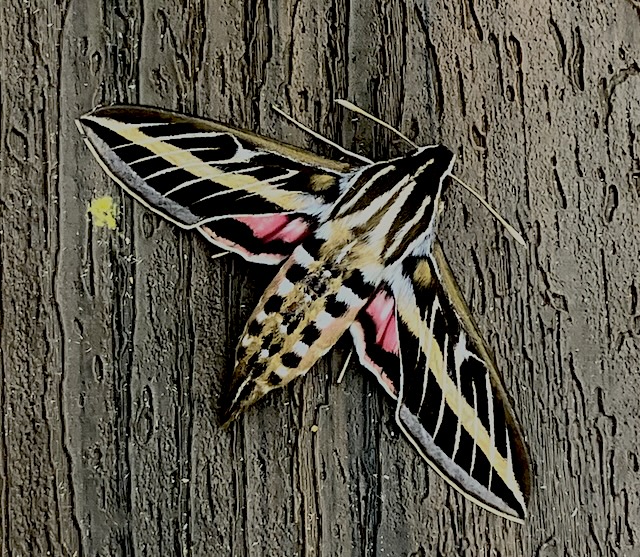
    I didn’t get good pics of March’s full blood moon, but look who I discovered on the deck this morning! He didn’t look too perky so I put him near a flower and hope he rallies…

    The White-lined Sphinx Moth, Hyles lineata, is a common “hawk moth” (Family Sphingidae) and gigantic at almost four inches! I’ve seen them around here on very rare occasions but have mistaken them for hummingbirds because they’re so big.

    Hummingbird moths are excellent, beneficial pollinators, especially for night-blooming flowers, helping gardens and ecosystems thrive, though their caterpillar stage might munch on host plants like tomatoes, a minor trade-off for their adult benefits. They are harmless to humans, mimic hummingbirds, and are crucial for plant reproduction, making them a positive addition to any pollinator-friendly yard.   

    Hummingbird moth symbolism often centers on luck, transformation, peace, prosperity, and longevity, appearing as a messenger for change or a sign to look closer at life’s illusions, blending butterfly themes (change) with hummingbird traits (joy, flexibility) as they are mimics of hummingbirds and symbolize a spiritual connection to nature’s deeper messages and joyful living.

    Life Imitates Art

    Or is it the other way around?

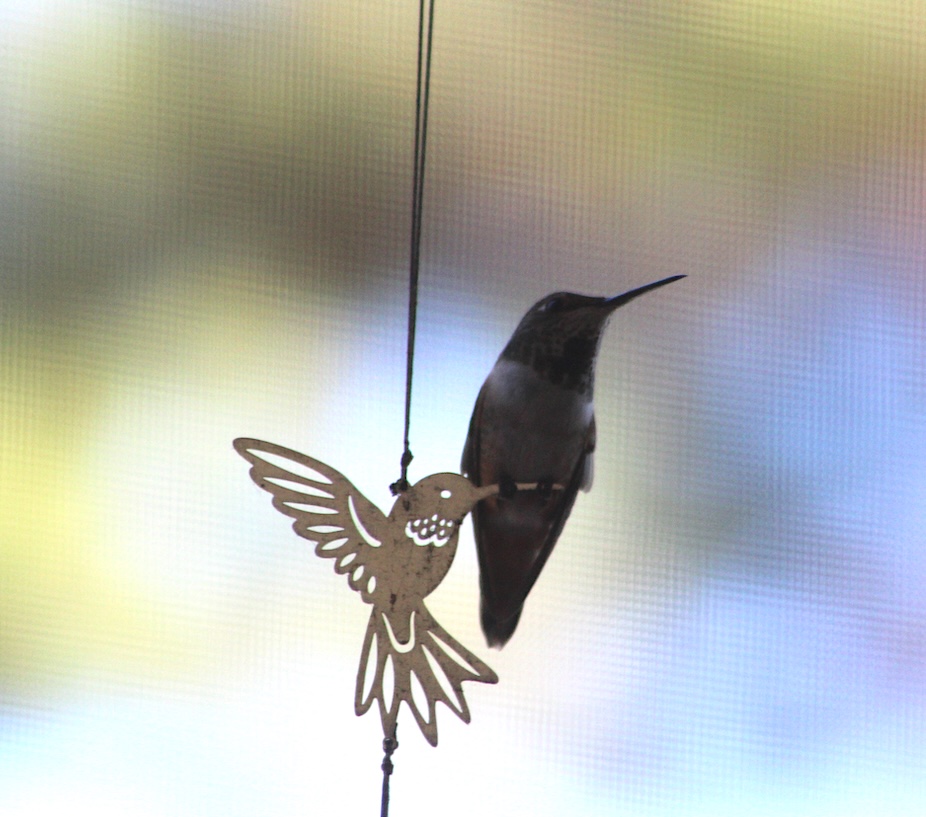
    I’ve been trying to capture this photo for a few days and my patience and persistence finally paid off. I think she’s searching for a suitable nesting site, or maybe she really thinks this hummingbird wind chime is a cousin, I dunno…

    I had to snap the pic through the screen door so I wouldn’t scare her off, but I’m completely happy with the result. It’s these little joyful moments that make life worth living, don’t you agree?

    I discovered a poem written by D.H. Lawrence about hummingbirds:

    Humming-bird
    I can imagine, in some otherworld
    Primeval-dumb, far back
    In that most awful stillness, that only gasped and hummed,
    Humming-birds raced down the avenues.

    Before anything had a soul,
    While life was a heave of Matter, half inanimate,
    This little bit chipped off in brilliance
    And went whizzing through the slow, vast, succulent stems.

    I believe there were no flowers, then
    In the world where the humming-bird flashed ahead of creation.
    I believe he pierced the slow vegetable veins with his long beak.

    Probably he was big
    As mosses, and little lizards, they say, were once big.
    Probably he was a jabbing, terrifying monster.

    We look at him through the wrong end of the long telescope of Time,
    Luckily for us.

    My Scrub Jay Family Returns! CORRECTION!!!! This is a Western Bluebird!

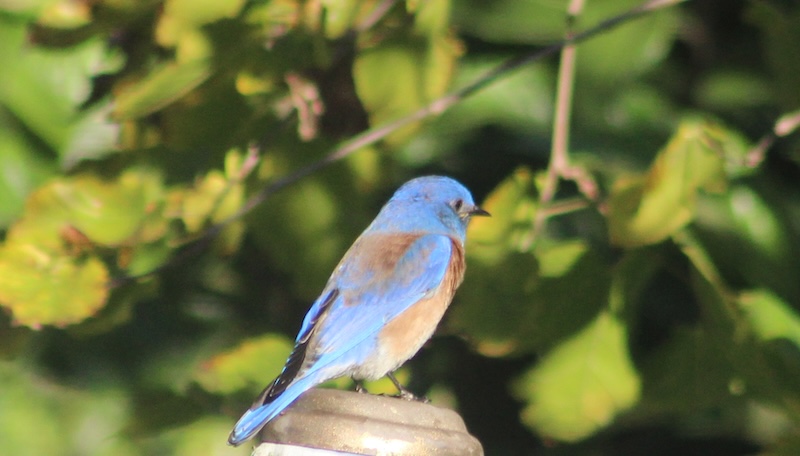
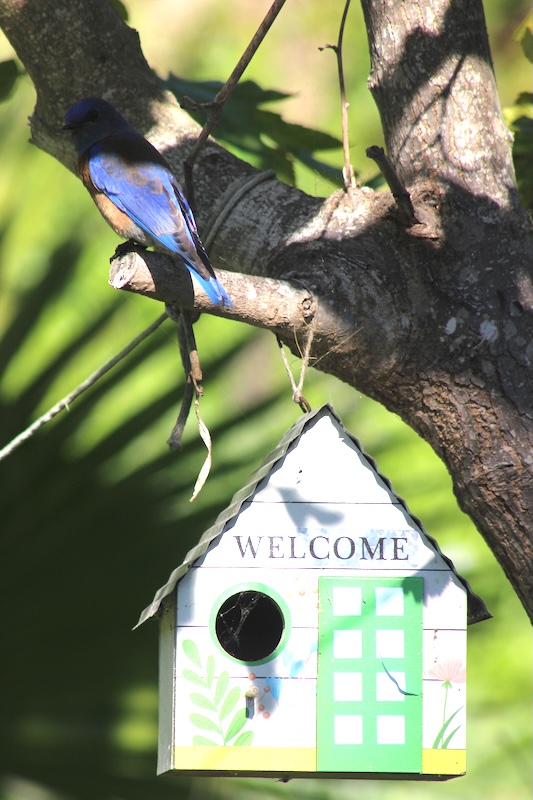
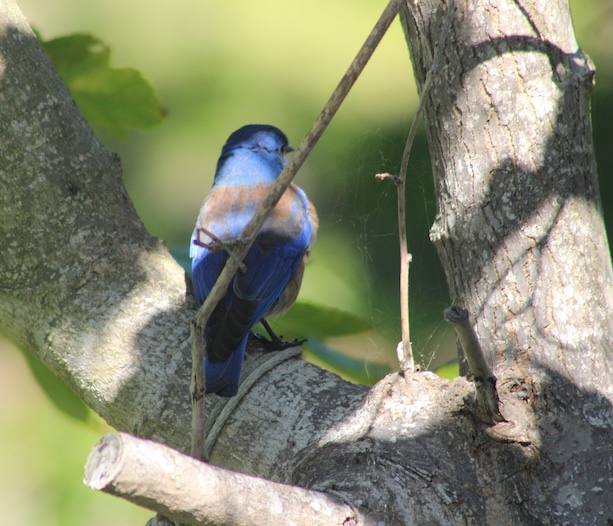
    Update: A kind reader commented and asked if this was actually a Western Bluebird (Sialia mexicana) and after some research, I’m convinced he’s correct! I automatically assumed it was the same scrub jay family that returns every year, but this is a much smaller bird.

    I might rewrite this entire post to reflect the correction, but for now, as you’re reading, just replace Scrub Jay with Western Bluebird and it all works out.

    My blueblue California Scrub Jay family has returned to build a nest in the tree house. While so much is WRONG in this world right now, the fact that these birds reappeared is heartwarming.

    Photo by Enchanted Seashells

    While they don’t use the same nesting material year after year, jays often return to the same location, referred to as site loyalty. They are very attached to their home ranges, and pairs often stay together for multiple years, leading them to build new nests in familiar spots within that territory.

    Photo by Enchanted Seashells

    How lucky am I that these guys feel safe here at Casa de Enchanted Seashells!

    Welcome home!

    Photo by Enchanted Seashells

    I can’t resist a connection to Leon Russell. Although it’s not at all about blue birds, his song, Bluebird, is musical perfection. Sadly, I don’t think there’s a video of a live performance. https://youtu.be/Zhaq-wWykZU?si=6fegLI90ZUqI-N5q

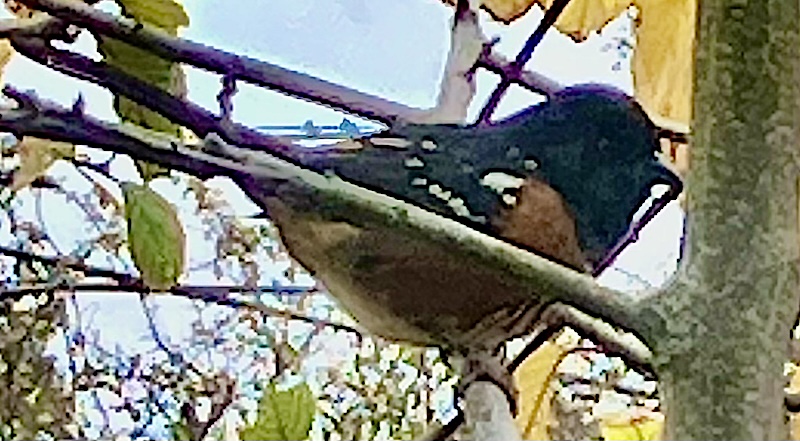
    Black-headed Grosbeak

    It’s a bird I’ve never before seen and I’m sooo happy he chose to visit the gardens at Casa de Enchanted Seashells!

    The Black-headed Grosbeak is a migratory bird, with nesting grounds from southwestern British Columbia through the western half of the United States and into central Mexico.

    I think this is a male; black head, black wings and tail with prominent white patches. Its breast is dark to tawny orange in color, more like the color of cinnamon.

    Not a great zoom with my phone

    The black-headed grosbeak eats pine and other seeds, berries, insects, spiders, and fruit. I didn’t hear him sing, however, his voice is a rich warble similar to that of an American robin, but more fluent, faster, softer, sweeter, and mellow with rising and falling passages that make the song much longer than the robin’s. The note is a sharp ik or eek. Both the male and female sing, but have different songs.

    Its symbolism includes a message to live in harmony with yourself. to forgive yourself, trust your instincts, meditate more, and be kinder to yourself. When this bird flies into your life, it also prompts you to practice contentment. Alternatively, a Grosbeak meaning suggest being supportive of those around you who are struggling.

    What an amazing garden visitor!

    World Animal Day – Remembering Jane Goodall

    Save Animals, Save the Planet

    This year marks the 100th anniversary of this global celebration of animals.

    For a century, people have come together to show kindness, compassion, and care for the creatures we share our planet with. The mission of World Animal Day is to raise the status of animals in order to improve welfare standards around the globe.

    World Animal Day started in 1925 when German writer and activist Heinrich Zimmermann organized the first event in Berlin on March 24. The date was officially moved to October 4, the feast day of St. Francis of Assisi, in 1931, becoming an international celebration of animal welfare. 

    This seems like a perfect day to honor the life and legacy of Jane Goodall, who died this week of natural causes. We can aspire to follow in her footsteps and speak out for those who cannot speak for themselves.

    “You cannot get through a single day without having an impact on the world around you. What you do makes a difference, and you have to decide what kind of difference you want to make.” Jane Goodall

    Jane Goodall was an English primatologist and anthropologist. Regarded as a pioneer in primate ethology, she was best known for more than six decades of field research on the social and family life of wild chimpanzees at Gombe Stream National Park in Tanzania.

    “The least I can do is speak out for those who cannot speak for themselves.” Jane Goodall

    Animals are our teachers. They show us how to live in harmony with the rhythms of nature, how to trust our instincts, and how to be fully present in each moment.

    “The greatest danger to our future is apathy.” Jane Goodall

    Photo by Pixabay on Pexels.com

    When The Towers Fell – September 11

    I don’t approve of using animals in war or police work. I think it’s cruel to send dogs and horses in harm’s way, especially since these sentient beings don’t have the ability to consent — decision-making capacity –and are merely used as expendable, cheap fodder. In my opinion, that’s clearly abusive.

    However, the rescue dogs who searched for victims of the 9/11 attacks saved many lives and then took on the task of providing therapy to survivors.

    On September 11, 2001, when the towers fell and the sky turned to ash, more than 300 search and rescue dogs stepped into hell on earth. They didn’t hesitate. They didn’t flinch. They climbed through fire and steel, through suffocating debris and deafening silence, searching for life with every breath, every pawstep, every heartbeat.

    They entered with pure hearts and fearless resolve—no armor, no agenda, just the unshakable instinct to help. They worked until their pads split, until the air burned their lungs, until their handlers broke down and hope ran dry. And still, they kept going. Because that’s what heroes do.

    When the searching stopped, the therapy dogs arrived. Quiet. Steady. Healing. They didn’t need words. They curled beside the broken, leaned into the grief, and reminded shattered humans that love hadn’t died in the dust.

    These beautiful dogs didn’t just serve. They bore the weight of our sorrow. They carried our hope. They were the silent saints of Ground Zero—unspoken, unshaken, unforgettable.

    We don’t just remember them. We thank them. For their courage. For their comfort. For showing us, in our darkest hours, what selfless devotion truly looks like.

    To the hero dogs of 9/11: your legacy lives on in every rescue, every comfort, every life saved because you showed up when it mattered most. Curated from houndsinpounds.org