Unknown's avatar

About Enchanted Seashells

Also known as Princess Rosebud! MIDlifestyle blog. Mom of Professor Angel Boy and Grandma to Angel Boy 2.0 and Angel Girl 2.0. Love to camp and hike. I've been in a few films, am obsessed with seashells, sea glass, and rocks; gardening and baking, Hello Kitty, Chanel, Leon Russell, and anything sparkly. Veg since 1970 and an ardent animal activist forever. Fashionista...veganista...animal activista. I'm still trying to find the perfect shoe!

My Coyote Friends: Coexist with Love

Good morning!

What an absolutely magical surprise!

This is the first color video of my nightly visitor. It was about 6:00 a.m. Isn’t he absolutely gorgeous?

In this black and white video, there are now two coyotes and since we know they mate for life, I have my fingers crossed waiting to see if they bring me any grandchildren! Wouldn’t that be amazing?

Some coyote facts:

Urban coyotes can create territories out of a patchwork of parks and green spaces.

While many urban coyotes make their homes in large parks or forest preserves, this isn’t the case in all situations. Urban coyotes don’t need one cohesive piece of green space like a single park or a single golf course to call home. They manage to make do with surprisingly small patches of hunt-able land woven together as a whole territory.

Coyotes can thrive in a small territory if there is enough food and shelter, but if there isn’t — such as in sections of a city with only a handful of small parks, soccer fields, green spaces and the like — then they will expand the size of their territory to include enough places to hunt for food to sustain themselves. The size of an urban coyote’s range is dependent on the abundance of food and can be anywhere from two square miles to ten square miles or more. Urban coyotes tend to have smaller territory sizes than rural coyotes because there is so much more food packed into smaller areas, even if that area has only a few scattered parks.

Studies have shown that coyotes much prefer forested areas and large parks where they can steer clear of humans, and they try to avoid residential areas. But when that’s not available, they still figure out how to make do. In a large-scale study of urban coyotes by the Urban Coyote Research Program, it was discovered that “29 percent of collared coyotes have home ranges composed of less than 10 percent of natural land and 8 percent having no measurable patches of natural land within their home ranges.”

Urban coyotes may live in family packs or on their own at different points in their lives.

It’s common to see a single coyote hunting or traveling on its own, but that doesn’t necessarily mean it is alone. Coyotes are highly social animals and this didn’t change when they entered the urban ecosystem. Coyotes may live as part of a pack, which usually consists of an alpha male and female, perhaps one or two of their offspring from previous seasons (known as a “helper”) and their current litter of pups. The pack may also welcome in a solitary traveler if their territory can support another member. Packs living in sizable protected areas can have as many as five or six adults in addition to that season’s pups.

However, a coyote may also spend part of its life on its own, known as a solitary coyote. This is common when young coyotes disperse from their pack and go in search of their own territory, a new pack to join, or a mate with whom to start their own pack. A coyote may also spend a stretch of time as a loner if it was an alpha in a pack but lost its mate. According to Urban Coyote Research Program, between a third and half of coyotes under study are solitary coyotes, and they are usually youngsters between six months and two years old.

Because coyotes hunt and travel alone or in pairs, it is often thought that they don’t form packs. The study of urban coyotes has helped to correct this misconception and has revealed much about the social lives of coyotes.

Urban coyotes mate for life and are monogamous.

Speaking of mates, coyotes mate for life and are 100 percent faithful to that mate. A 2012 study published in the Journal of Mammalogy found that “among 18 litters comprising 96 offspring, [researchers] found no evidence of polygamy, and detected a single instance of a double litter (pups from different parents sharing the same den).”

This loyalty holds even when there are other coyotes in adjacent territories and plenty of opportunity for cheating. But coyote pairs stay faithful and faithful for life. Some of the pairs followed by the research team were together for as long as 10 years, only moving on when one mate died.

The researchers believe that this monogamy plays an important role in the success of urban coyotes. Because a female can adjust her litter size based on the availability of food and other factors, she can have larger litters of pups in a city where there is a buffet of rodents, reptiles, fruits, vegetables and so much else in a relatively small area. She also has a dedicated mate to help her feed and raise the pups, so these large litters have a higher survival rate, resulting in more coyotes reaching an age to disperse to other areas of a city.

Even when food is less abundant or there is territory pressure from other coyotes, the couple stays together year after year. Coyotes may be opportunistic about matters of food and shelter, but not when it comes to love.

Urban coyotes do not feast on pets and garbage; they typically stick to a natural diet.

Due to sensationalistic reporting, many urban residents think all coyotes are out to eat their dog or cat at the first opportunity, or that they’re dumpster divers of the first degree. On the contrary, studies have shown that urban coyotes stick mainly to a natural diet.

Coyotes are opportunistic omnivores and will eat fruits and vegetables along with animal prey.  A study by Urban Coyote Research Program analyzed over 1,400 scats and found that “the most common food items were small rodents (42%), fruit (23%), deer (22%), and rabbit (18%).” Only about 2 percent of the scats had human garbage and just 1.3 percent showed evidence of cats. “Apparently, the majority of coyotes in our study area do not, in fact, rely on pets or garbage for their diets,” say the researchers.

This aligns logically with urban coyotes’ preference of sticking to parks, preserves, cemeteries, and other out-of-the-way areas as much as possible. The food available in these locations is rodents, reptiles, fallen fruit and other food items that are part of a natural diet.

Coyotes of course take feral cats or the occasional domestic cat that has been left outdoors, and there is certainly evidence that coyotes that have become habituated and overly bold will go after small dogs. However pets are not primary prey for them, not by a long shot.

As it is with the presence of apex predators in any ecosystem, having coyotes living and thriving in an urban area is a positive sign of the health and biodiversity of urban areas. Their presence can be considered a thumbs-up for the quality of a city’s urban ecology.© Jaymi Heimbuch / Urban Coyote Initiative

Urban coyotes often switch from naturally diurnal and crepuscular activity to nocturnal activity.

When urban residents see coyotes “in broad daylight” it is often assumed that the coyote has grown overly bold or is ill in some way. Actually, it is perfectly normal for a coyote to be out during the day, as this is their natural time for hunting.

Urban coyotes have made a behavior change to avoid humans, switching from being active at dawn and dusk or during daylight hours, to being mostly active at night. This strategy lowers their risk of encountering a species of which they are naturally afraid while still hunting in an urban territory.

However, if a coyote needs to be out during the day to hunt or to get from one place to another, there isn’t necessarily anything wrong or odd about the coyote’s behavior. In fact, in the spring and summer when raising their pups, coyotes need to find more food and so may be more active during the day and thus spotted more often. Urban residents frequently misinterpret daytime sightings as a rise in the urban coyote population or that the coyote could be rabid, neither of which are usually true.

Urban coyotes help control the populations of other problematic urban wildlife like rodents.

It’s so easy to think of urban places as home to humans, pigeons, crows and raccoons, and that’s about it. But our cities are increasingly home to an ever more diverse array of wildlife species rats have been an issue in cities ever since cities were invented. Coyotes play a role in limiting the populations of these species and more, helping to keep a balance and increase biodiversity in urban ecosystems.

Rodents are the primary food source for coyotes in rural and urban areas alike, and studies have shown an increase in the rodent population in areas where coyotes are removed.

The easiest way for city residents to avoid negative interactions with coyotes is to avoid feeding them, either accidentally or on purpose, and otherwise habituating them to humans.

When coyotes become overly bold or aggressive, and in the rare instances when coyotes have bitten humans, it usually is discovered that they were being fed.

Coyotes have a natural fear of humans, and like most wildlife, will start to lose that fear and even become aggressive if they are being fed. This is the reason wildlife managers warn people to never feed wildlife, and there is the saying, “A fed coyote is a dead coyote.”

Once a coyote loses its fear, it is likely to become a problem animal and that means animal control will have little choice but to lethally remove it.

Feeding coyotes sometimes happens on purpose, but it can also be done accidentally when people leave pet food on their porches intending it for cats or dogs, when they leave scattered seeds under the bird feeder, or even when they leave fallen fruit or compost in their yards.

Educating the public on the importance of not feeding wildlife and removing any food sources, as well as educating them on safe and humane coyote hazing strategies to maintain coyotes’ fear of humans, is the best way a city can avoid negative interactions and instead enjoy quiet coexistence.

People often feed urban coyotes accidently by leaving out pet food, open compost bins, fallen fruit and other tasty morsels for these opportunistic eaters to find. © Jaymi Heimbuch / Urban Coyote Initiative

Trapping and killing or relocating urban coyotes does not reduce the overall population of coyotes.

A common reaction from urban and suburban residents when they learn coyotes are living in their area is to ask for the removal of the coyotes, either through lethal means or by trapping and relocating them. However, animal control officers have learned through a lot of experience that this is not only a lot harder to do than it sounds, but it does nothing to reduce the number of coyotes living in an area. In fact, it has the opposite effect.

Coyotes are territorial and keep other coyotes out of their home range. The larger the territory of a coyote pack, the fewer coyotes are present overall. Removing coyotes from an area opens that location up for new coyotes to come in and claim it as their own (and there will always be more coyotes coming in to fill a void), often resulting in a short-term increase in coyotes as the territory lines are redrawn by the newcomers. Additionally, when there is less pressure from neighboring coyotes and more food available, female coyotes will have larger litters of pups, again creating a short-term increase in the number of coyotes in that area.

There are other problems with trapping coyotes. As the Humane Society points out, “The most common devices used to capture coyotes are leg-hold traps and neck snares. Both can cause severe injuries, pain, and suffering. Leg-hold traps are not only cruel and inhumane for coyotes, but may also injure other wildlife, pets, or even children. Non-target wild animals are also caught in traps, and many sustain injuries so severe that they die or must be killed.”

If a city wants to limit or reduce the number of urban coyotes living there, the easiest thing to do is allow existing coyotes to work out their own territories, naturally stabilizing the coyote population. There will never be more coyotes in an ecosystem than that ecosystem can support, so (despite what some may think) a city can never become “overpopulated” or “infested” with coyotes.

We can take extra steps to make an area less appealing to coyotes by removing all extra food sources – from fallen fruit or ripe vegetables from backyard gardens to pet food left on back porches – and removing sources of water. The fewer resources available, the larger the territories need to be to support the resident coyotes, and the fewer coyotes there are overall.

Coyotes are here to stay and removing them is not and will never be an option. Our one and only path forward is coexistence. https://urbancoyoteinitiative.com

Learn more about coyotes and support the great work of Projectcoyote.com

Cats, Rats, and Bats

Sorry, no pics to share ‘cos the video is grainy and black and white, but these were my three visitors last night at Casa de Enchanted Seashells.

In that order. The first video shows a cat sitting on the steps, looks to be dark gray and I’ve seen him before. The next is of a very large rat running down the steps, and the third one is a bat flying directly across the camera lens.

It sounds like it could be the start of a joke…”A cat, a rat, and a bat walked into a bar…” (Although I have no idea what kind of a punchline to write. Maybe Mrs. Maisel or Suzie could help.)

Or a children’s book, “The Tall Tale (Tail) of the Cat, the Rat, and the Bat”,

Or as Theo would say, “Grandma, that rhymes!”

Since I don’t have any decent pics of last night’s guests, here’s our beloved Bandit who ruled us all for thirteen years before she died of chronic renal failure.

The bat is from one of my favorite books, Stellaluna, by (my friend) Janell Cannon.

Image result for stellaluna

And the rat, well, this gif says it all…

(There were no coyotes this time, but I’m happy to report that I’ve been seeing TWO beautiful creatures in the garden, which is awesome as coyotes mate for life. I would be even happier if one day they brought some little ones to visit. It would be a dream come true. I could be their grandma, too!)

Doris Day: Whatever will be, will be…

Today Doris Day died at the age of 97, and I am sad.

I don’t have a direct connection to her, but she touched my heart with her song “Que Sera Sera”, in the film “The Man Who Knew Too Much” with Jimmy Stewart. Searching for her kidnapped son, I could FEEL her anguish as she sang the words that would eventually free him.

A few years ago, I was on a blissful, happy road trip and we stopped in Carmel. Although we didn’t stay at Cypress Inn, Doris Day’s hotel, we spent the evening there listening to an amazing singer belt out the old songs, those good ones from the big band years. It was a joyful and lovely experience. My heart was full that day.

Doris Day was an animal activist long before it became trendy; even before the internet could help promote good people with their wonderful intentions to rescue and adopt dogs and cats.

Here’s a link to her Doris Day Animal Foundation: https://www.dorisdayanimalfoundation.org/?fbclid=IwAR1R3yb2B8aGkxZehdTWnJ3kLGMnNmKhrTwtXZU-Pl3P-jyFok2N85QXnDQ

Que sera, Doris. Whatever will be, will be…That song always makes me cry and I lose it every single time I watch that final scene where her son runs into her arms.

Conversation with Inspiration: Gold Medalist Megan Blunk

“My accident gave me a second chance at life, so I want everyone to know that you can fight it – and you can be happy. No matter what happens in life, don’t ever let it hold you back.” https://meganblunk.com

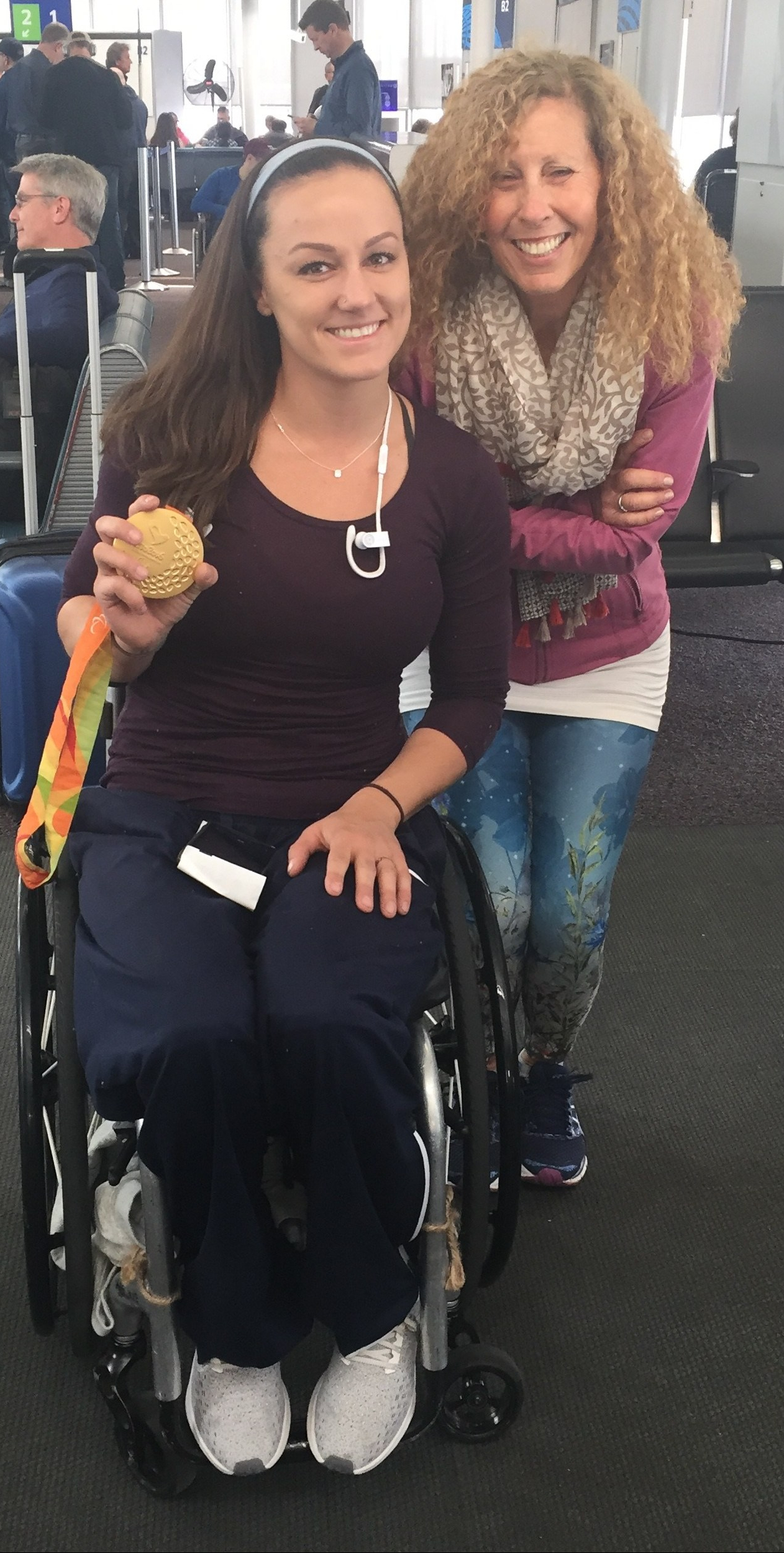
Totally rando and out of nowhere, I was in a very public place and there was a young woman in a wheelchair sort of pushing another wheelchair with slanted wheels (that I later learned was used when she played basketball). I asked her if she needed any help and she declined, but we started chatting and I learned that she is a real live HERO.

Her name is Megan Blunk. Originally from Gig Harbor, Washington, Megan is a Paralympic gold medalist for wheelchair basketball.

Megan discovered adaptive sports a year after a motorcycle accident that paralyzed her and also revived her former inner athlete. Prior to her accident, she was a five-sport athlete.

She went on to play college wheelchair basketball at the University of Illinois, where she completed a bachelor’s degree.

She’s an advocate for adaptive sports and speaks to groups and one-on-one with other athletes.

“Whenever I meet someone recently disabled, I reach out to them,” she said. “I would be there in a heartbeat if someone asked me to see someone who had just been injured.” https://meganblunk.com/2016/09/01/south-sound-magazine/

In my opinion, Megan really needs to do a Ted Talk. Her story — and her inner and outer strength — is an inspiration to everyone.

img_7343-e1557026842415.jpg

Megan holding her gold medal.

Life Cycle of a Rose

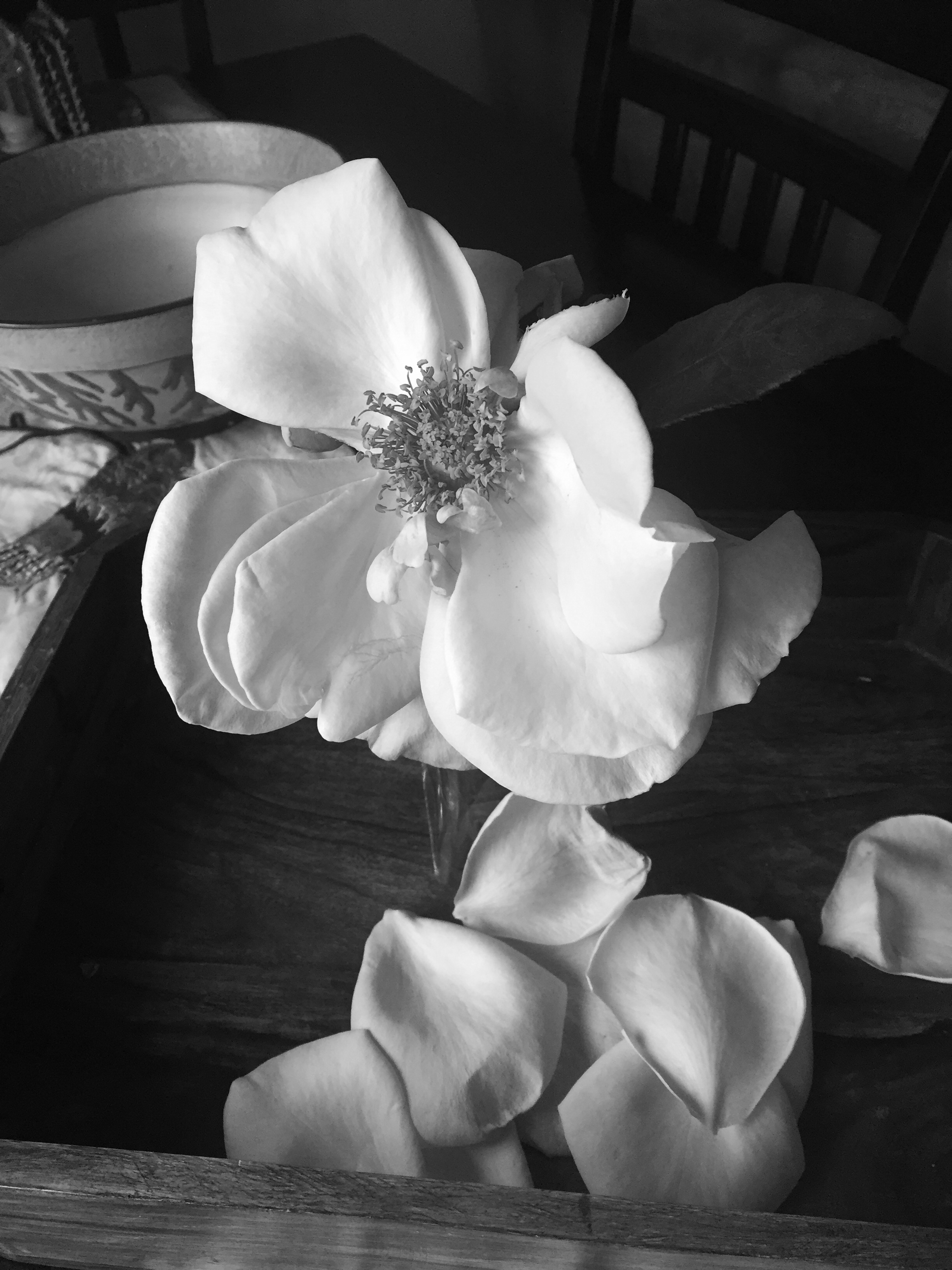
Not about ME, haha,  but check out this most delicate ballet pink rose I’ve ever grown in the garden here at Casa de Enchanted Seashells.

The life cycle up to this point has been about a week long journey.

Just picked. The fragrance is so light and delicate. The very essence of a rose.

img_7250

The petals are starting to open a tiny bit more in response to the sun and being indoors.

img_7247

See the outer petals beginning to turn color? Still beautiful, though.

img_7258

This morning, in her full glory at five inches across. More discolored, faded, and less pink petals.

img_7260

Sweet rose. Almost at the end of her life, she selflessly shared all the joy and beauty she had to give. Soon, her petals will fall to the table and she’ll be gone.

How did this all get so depressing? Just like The Giving Tree by Shel Silverstein. Sheesh. I need to lighten up!

img_7264

And now this, the finality and death of a once beautiful and vibrant rose.

img_7267

Shaking off THAT doomed train of thought, here are more roses that I left unpicked in the garden.

Buds. Babies.

img_7252

I love the peach and red dual tone of these roses.

img_7253

Peppermint striped climbing roses. Very spicy fragrance.

img_7240img_7239

img_7268img_7269


Finally, a rock rose, California native.

img_7251

All the rain we had in SoCal made a joyful garden.

Happy end of April and almost May, everyone!


“To sleep: perchance to dream”…

Of course this is Shakespeare:

HAMLET:
To be, or not to be: that is the question:
Whether ’tis nobler in the mind to suffer
The slings and arrows of outrageous fortune,
Or to take arms against a sea of troubles,
And by opposing end them? To die: to sleep;
No more; and by a sleep to say we end
The heart-ache and the thousand natural shocks
That flesh is heir to, ’tis a consummation
Devoutly to be wish’d. To die, to sleep;
To sleep: perchance to dream: ay, there’s the rub

Yeah, there’s the rub, that’s for sure.

I used to love to sleep. Sleep came so easily for me. Almost as soon as my head hit the pillow, I could count backwards 5-4-3-2-1 and be asleep. Just like that, *snapping my fingers*. I could fall asleep anywhere. I took blissful, restful sleep for granted.

Back then, my dreams were mostly of my beloved dogs and cats that had crossed the Rainbow Bridge, sometimes bringing happy messages back to me. Or every so often, I’d have a prophetic dream about my son but never really a nightmare.

Last night was a big deal for me.

April 1, 2019 marks the first night I slept an entire night without waking up once in dread, in a cold sweat, without my heart beating a million beats per second ready to jump out of my chest, without the gasp of that split second between sleep/awake and remembering that my daytime reality IS the nightmare, that there really IS hell on earth, and I am living proof.

When I first woke up this morning, it took a moment for me to perceive that it wasn’t 3am, that the earliest of early morning birds had started to sing and there was a faint hint of dawn lightening the sky.

There was no swirling of dreams that made waking up a death unto itself. A shard of glass to slice at my heart and torment me, poking at me with each inhale and exhale for the rest of the day.

There was peace. OMG, so much peace.

I had to help my brain process this miracle of healing, a painfully slow process of realization that FOR THE FIRST TIME, I had slept unfettered by the bondage of painful memories that morphed into night terrors so incredibly lucid that they haunted me during the day.  Sleep was walking into a dark tunnel with not the slightest glimmer of light at the end of it. Depressing, huh?

I couldn’t endure another dream of a gigantic mottled black plague-infected rat with oozing sores climbing in my bed to curl up next to me, no more continuation of the abject panic that permeated my waking life.

No more dreams that weren’t even really dreams, simply the continuing of the day’s macabre horrors.

For more than three years, thirty-six months, 1,095 days, 26,280 hours, and 1,576,800 minutes, I couldn’t sleep, and I’d cry out to no one into the silence of the night to please wake me up from this nightmare, please take me out of my misery; only to realize that there was no respite for me.

“No sleep for you!” said the sleep Nazi (an homage to Seinfeld’s soup Nazi.)

The nightmare WAS the reality.

The dark soul of the night became the abject despair of the day.

There is the saying “follow your dreams” but if I had followed those dreams, I would have ended up in a vortex of Sartre’s No Exit. 

I was in a neverending episode of the Twilight Zone, caught in a purgatory that I could never have prepared myself to endure. Drowning.

I tried everything: meditation, EFT, mantras, deep breathing exercises to control my out of control hyperventilation /tachypnea, conscious mindfulness, and lessons in neural plascticity to nurse my wounded brain. One of the best pain relievers was and is listening to raw binaural beats with headphones. Some nights, that was the only way I could even attempt sleep.

I dreaded going to sleep, the actual sleep, and the waking up from an unhappy sleep.

The simple tortuous action of closing my eyes created a canvas where I’d be subjected to an endless loop of conversations, images, mirages spanning more than twenty years.

I wished for a lobotomy, to be in a coma, to erase all that was etched in my conscious and subconscious.

Through pain and fear and sadness, I discovered that the only cure is radical acceptance. I couldn’t run away from it. Nowhere to run, nowhere to hide. Wherever you go, there you are.

I had to stand my ground and surrender to the pain.
To love it, honor it, respect it, and learn from it.

Now. Right now. I hear a hawk, I hear a scrub jay, I hear the angry chattering of a nesting Bell’s Vireo. Off in the distance, I hear a train. I hear an airplane. I hear a symphony of wind chimes. I see blue sky, I see lush green grass that’s been lovingly tended, I feel a gentle breeze lifting a swarm of Painted Lady butterflies from the yellow marguerite daisy bushes to settle for a moment on the Pride of Madeira. All the rain we had this season birthed an incredible floral display.

Everything around me seems to be conspiring to show me that there’s still beauty after a storm, that there’s happiness to be discovered if you look and listen.

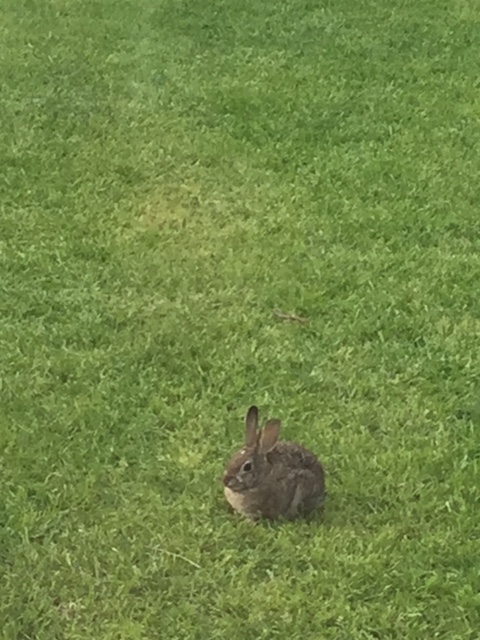
IMG_7039Oh and I see a bunny. Always a bunny.

My heart is wounded and scarred; I’ve been through a war zone,

I had no weapons to fight the enemy that raped and pillaged my life and my innocence. And my heart.

I’m collateral damage,

I’m eternally sad.

But I’m alive, and that’s something to be grateful for.

And…for the very first time in a long time, I slept an entire night and woke up in serenity and peace.

(But that peace wouldn’t last, as I soon learned…)


Burning Down The House

(To fellow WP bloggers, this is the weirdest thing. Apparently this post did not publish, or it published in a draft format that was not at all what my final result looked like to me, and that’s why I’ve reposted it. Strange limbo zone!!)
__________________________________________________________________________________________

Do you smell the smoke?

It’s a rainy SoCal day and I was in a state of cleaning bliss, dusting and polishing and organizing.

I lit dried sage from the garden to smudge in a metal bowl on top of a mirror on my bedside table to bring a little pungent sagey/outdoorsy fragrance.

It seemed safe, right? Metal bowl placed not directly on wood, but on a mirror to protect it.

Apparently NOT safe.

I continued cleaning the other rooms, enjoying the sagey perfume. After a while, I thought that it seemed to be smoking for much much longer than the amount of leaves in the bowl and as I walked toward my bedroom, I was engulfed in smoke!

A MAJOR smudge haha.

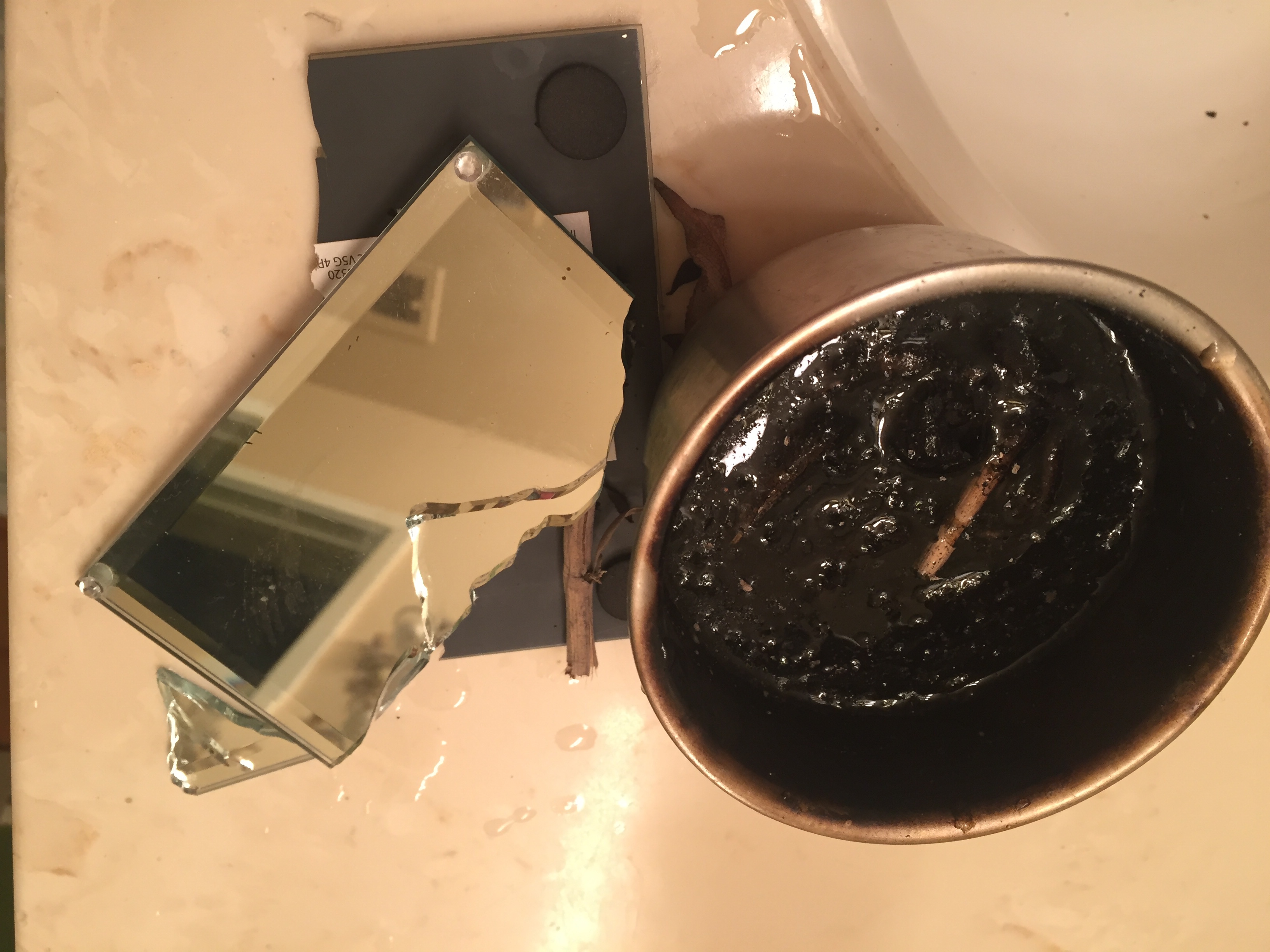
I ran over to the window which was closed ‘cos of the rain, and slid it completely open, then to my beside table where I could see the mirror had cracked and the metal bowl had fused to the wood and was too hot to touch.

img_6904

The table was literally seconds away from going up in flames!

The smoke was no longer from the sage; the antique and very dry wood was burning.

Oh, and somehow the carpet had a few burn holes too.

Now there’s a nasty burn mark on my mom’s antique bedside table,img_6903

It took about an hour for the smoke to dissipate. There’s not a smoke alarm in my bedroom and it hadn’t yet reached the dining room area where there are TWO smoke alarms, so that’s why I was oblivious.

Well, one reason why I was oblivious.

The other reason is that cleaning puts me into a Zen-like trance and I was lost in my own little world.

Moral of the story? DO NOT put sage in a metal bowl on top of a mirror on top of a wooden surface. EVER.

I repainted this room recently, and noticed that it no longer reeks of fresh paint, so there’s a sort of silver lining???

img_6738


Low tide. Tide pools. King Tide.

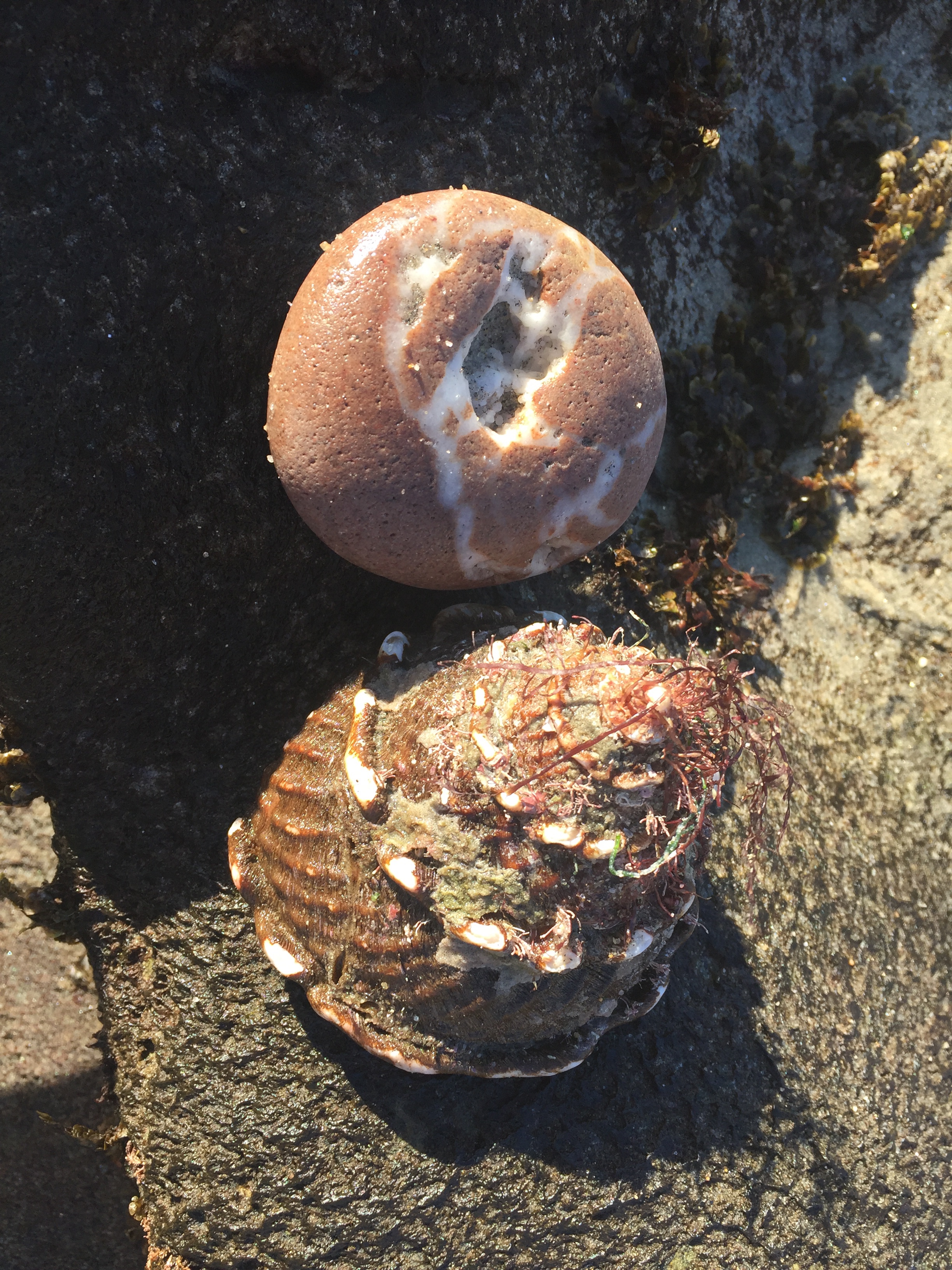
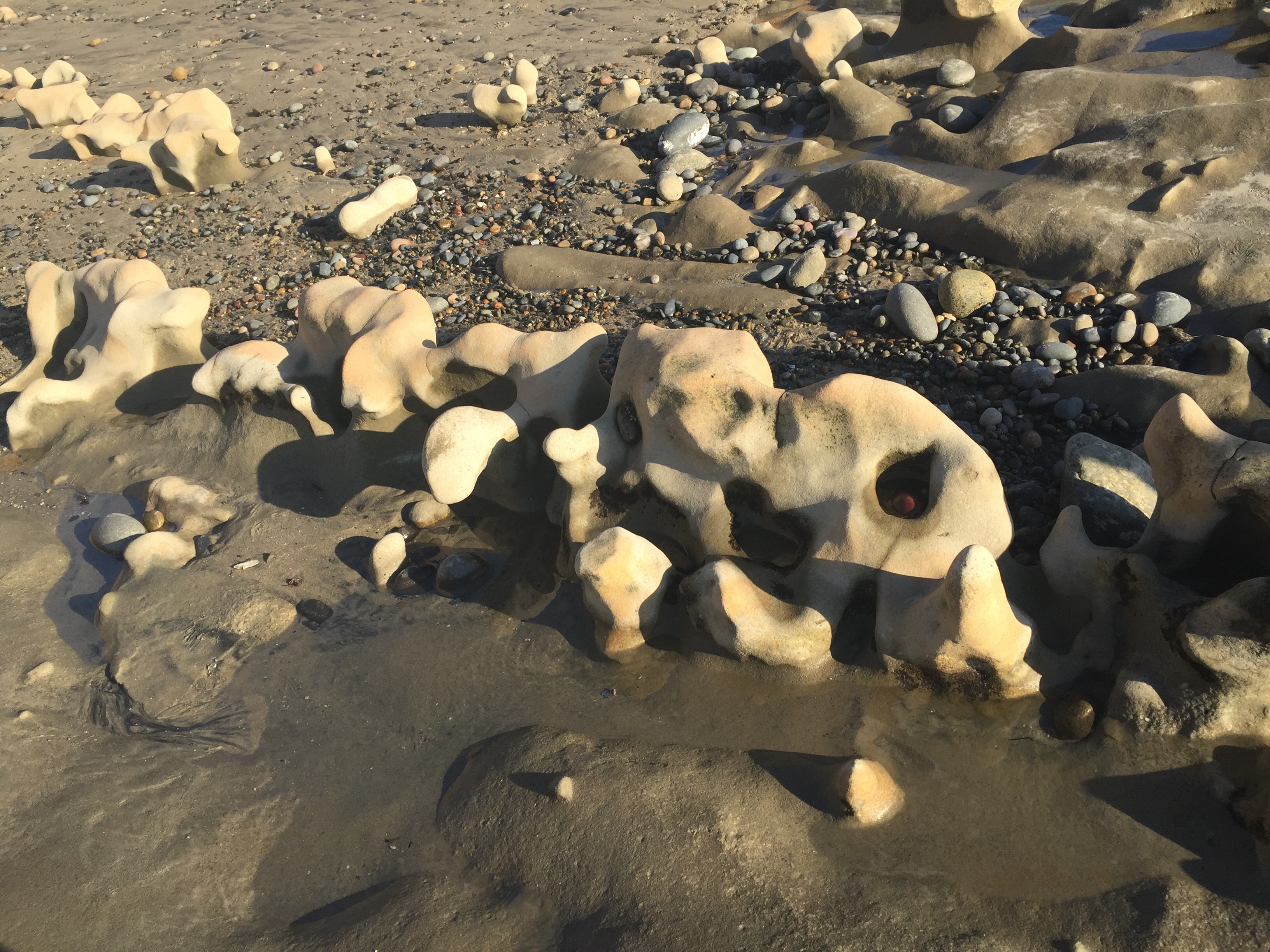
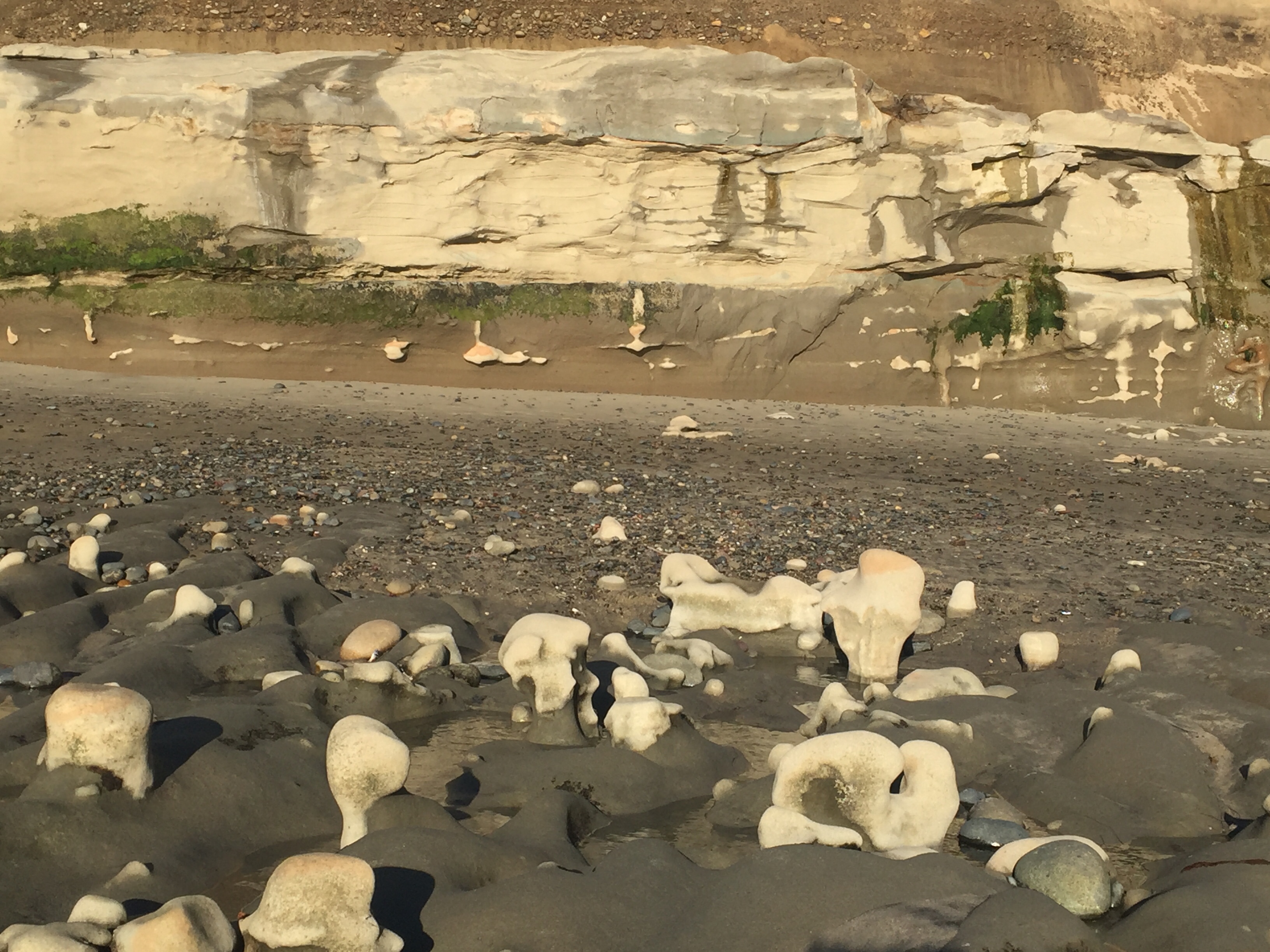
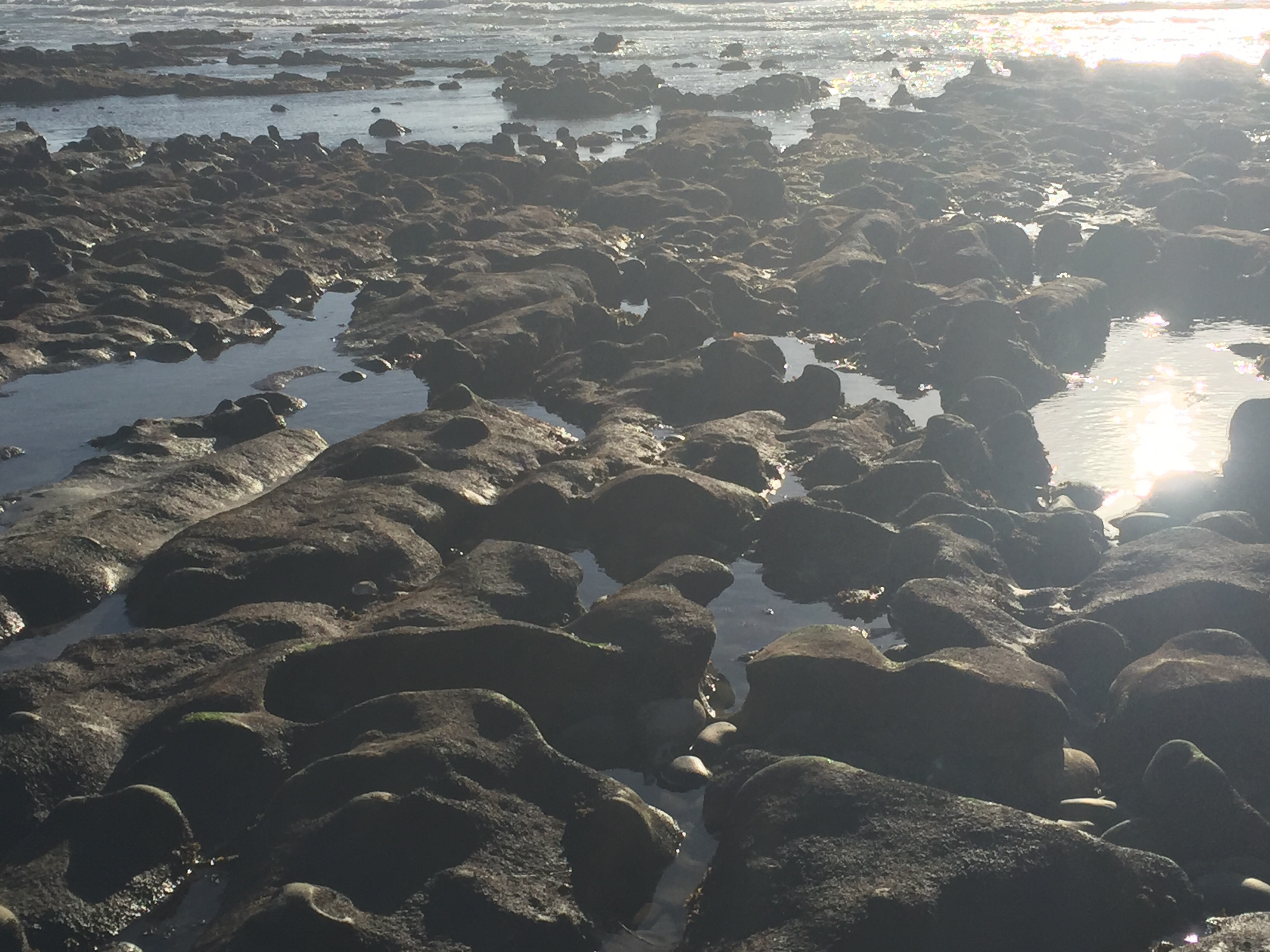
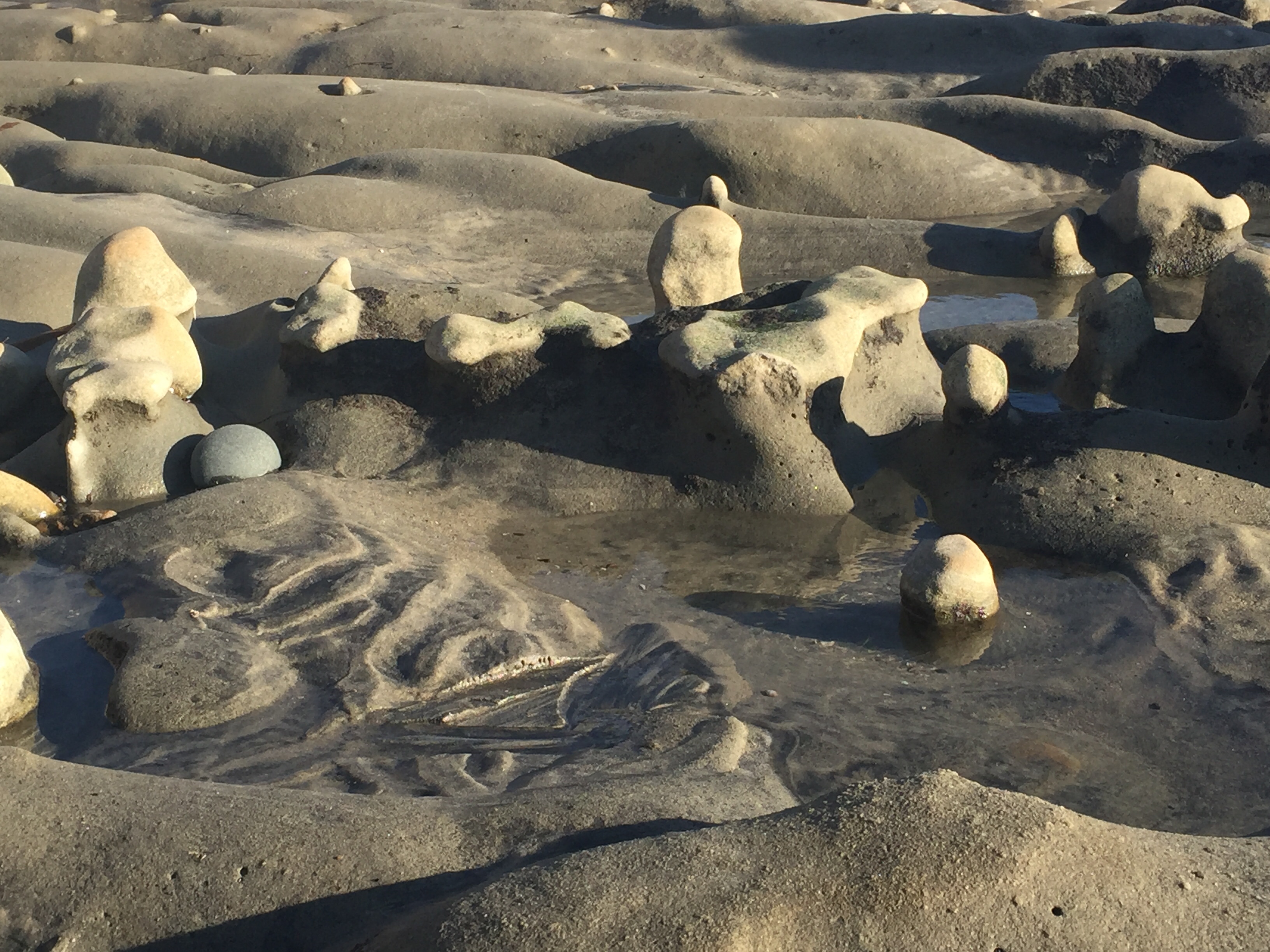
Amazingly otherworldly photos from Carlsbad State Beach at low tide this afternoon. Lots of wind and blue skies.

Do you think this looks like a donut as much as I do? It’s not though, just a rock treasure alongside a seashell treasure.

Cool tide pools.

Gangsta Butterfly

Rain of any kind in SoCal is something to be grateful for because for a brief moment, we can enjoy green and lush hills and gardens.

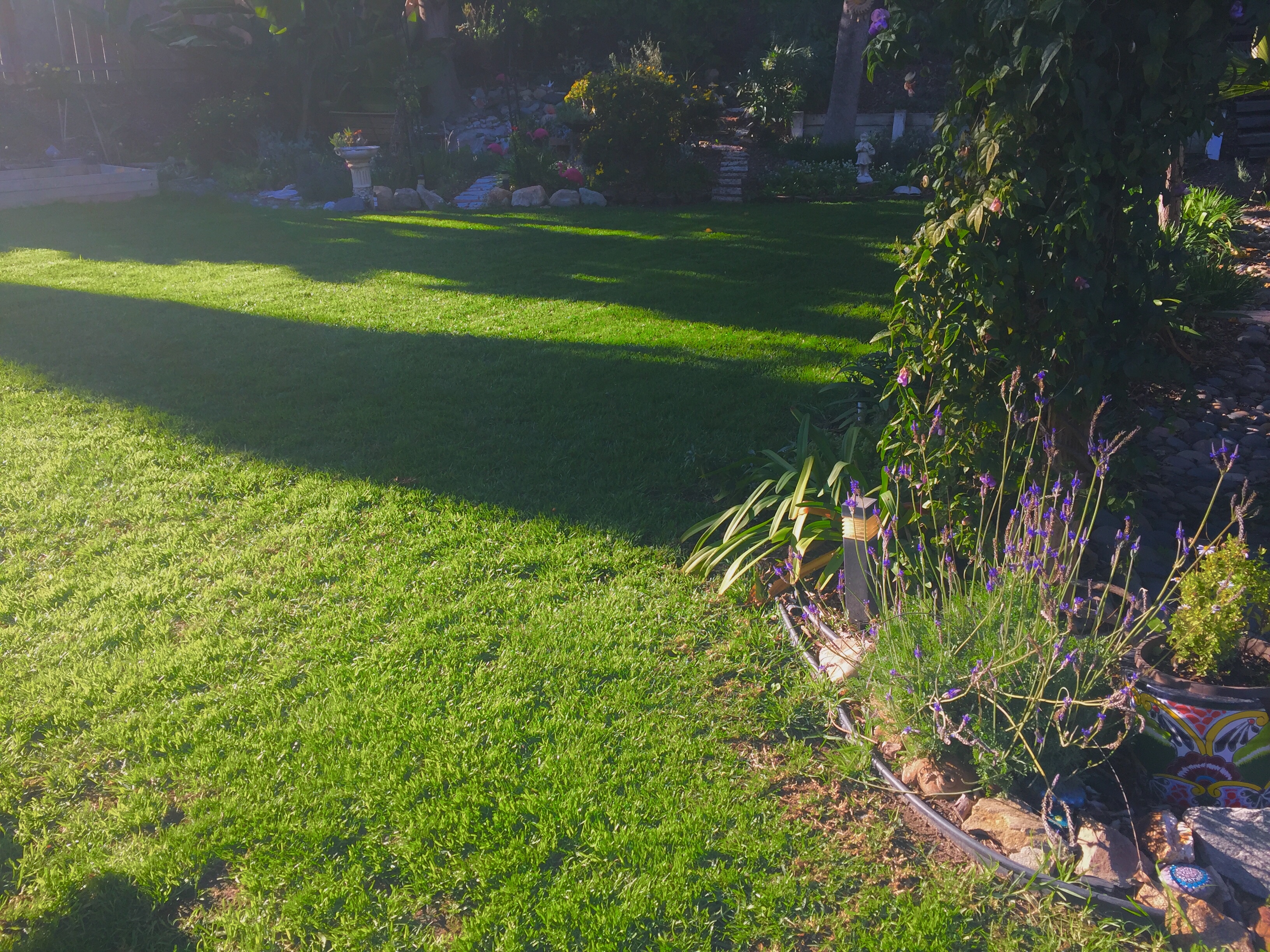
Now that we’re back to sunshiny blue skies again, I took pics of the lawn ‘cos it’ll never look this velvety smooth again.

img_6649

Even though I have the flu or some version of it in spite of a flu shot, no way would I miss spending an entire day working in the garden. Dirty hands, twigs in my hair, muddy shoes. HEAVENLY.

img_6648-1

But I wasn’t alone.

This happy gangsta butterfly not only followed me everywhere I was, but sat on my head for a few marvelous seconds, too! It’s too bad I couldn’t snap a pic but it was impossible, so you’ll have to trust me. Fluttering and flapping wings all around my face and head. And listen to the birds! So much joy.

Was there a message or a lesson the butterfly was attempting to convey? Or maybe just a shared joie de vivre?

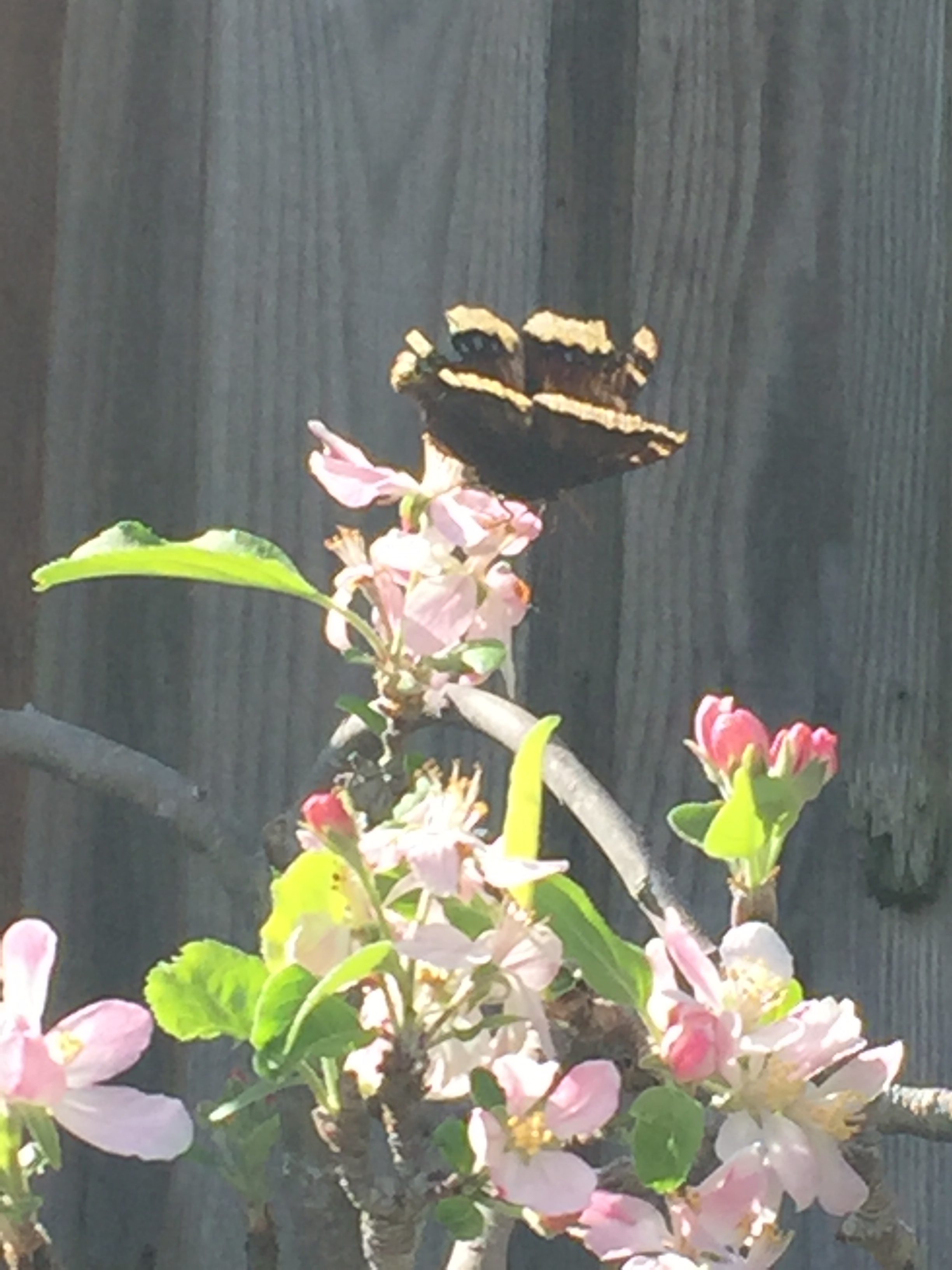
We can coexist in peace, my friendly Mourning Cloak butterfly.

img_6659

Yes, s/he was upside down or maybe I was upside down? It’s all in your perspective. Totally LOVING the apple blossoms.

img_6658img_6652img_6654

Knowing that our rains are brief, all the plants put their best foot forward. The rosemary is a riot of blue flowers and bees.

img_6656-1

Bees, so many bees!


Happy all planets direct and Super Blood Wolf Moon eclipse tonight!


A Slice of Covert Racism

On a recent flight back home, I was sitting in my usual choice of an aisle seat mostly because I don’t like to crawl over strange legs when I need to use the restroom.

An older (older than me) woman crawled over me to take the window seat.

A young man was escorted to his seat directly across from me by a flight attendant who commented on his height and asked him how old he was as he was flying as an unaccompanied minor.

He was nine-years-old and about six feet tall.

Just a little boy in a man sized body.

I could feel his embarrassment as he was singled out for his height and I’m sure has had to endure a zillion comments about it.

He was very quiet, but seemed a little scared, so I chatted with him a bit, and he was very sweet. His dad was picking him up and he would be starting school in San Diego. He began to open up and just as I suspected, he was a little boy who didn’t really know how to deal with the fact that he looked like he was in high school.

The older woman next to me said, in a very heavy southern accent, “I should get his autograph now, he’s going to be famous.”

I didn’t respond to her right away because I wanted to give her the benefit of the doubt or maybe I had misinterpreted what she was alluding to, but she repeated herself loud enough for the young man to hear, and I felt that I needed to do something.

I said, “What are you saying? That because he’s tall, his only life path is basketball?”

She looked at me and said, “Well, he’s tall…” and then her voice and thought faded.

I replied loud enough for anyone to hear, “Maybe he’s going to be a doctor. Or a professor. Or an artist or a writer. Just because someone has a physical trait doesn’t mean it’s a life sentence. He can and should do whatever touches his heart.”

The woman had so much ingrained covert racism built into her that she didn’t really know what to say, but a few minutes later she told me that she thought about it and agreed with me, so then we had a pleasant rest of the flight.

Did I change her?

Probably not, but the grateful smile I received from a nine-year-old made my day.

(And did I really need to mention that he was a six foot tall African American nine-year-old child or did you figure that out for yourselves?)

And then I saw this photo of Trump serving fast food to the Clemson team.
More covert or not so covert racism. Love Reggie Bush’s tweet.