The Chair That No One Sits In

(I know that one is not really supposed to end a sentence with “in”, but the proper way sounded stilted and phony, so I made a decision based on this information: “never ending a sentence with a preposition is a myth. It’s something wrongly attributed to English that is actually a real rule in Latin.”)

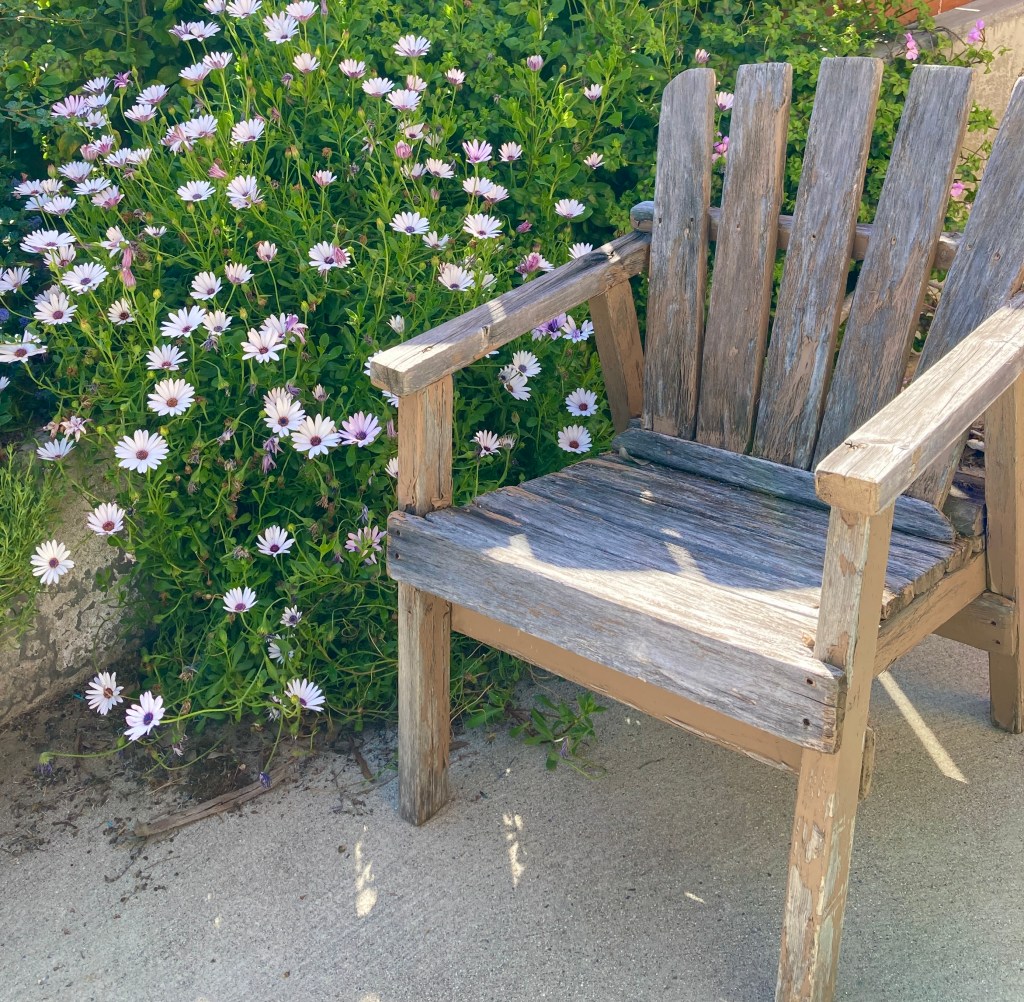
So…on a walk a couple years ago, I found this chair with its turquoise-painted partner tossed out on the street. They looked lonely and sad, so I went home to get my car and rescued them both.

I placed the chairs on the side of the house with every intention of brightening them up with a new coat of paint but their weary and worn character grew on me. I’ve left them to naturally weather every storm just as they are — honest and true — with nothing to camouflage their straightforward authenticity.

I like them just the way they are.

Funny enough, I get a lot of compliments from neighbors who walk by and comment about how they love the artful way the flowers seem to embrace this simple old chair.

The Chair That No One Sits In

You see them on porches and on lawns
down by the lakeside,
usually arranged in pairs implying a couple

who might sit there and look out|
at the water or the big shade trees.
The trouble is you never see anyone

sitting in these forlorn chairs
though at one time it must have seemed   
a good place to stop and do nothing for a while.

Sometimes there is a little table
between the chairs where no one   
is resting a glass or placing a book facedown.

It might be none of my business,
but it might be a good idea one day
for everyone who placed those vacant chairs

on a veranda or a dock to sit down in them
for the sake of remembering
whatever it was they thought deserved

to be viewed from two chairs   
side by side with a table in between.
The clouds are high and massive that day.

The woman looks up from her book.
The man takes a sip of his drink.
Then there is nothing but the sound of their looking,

the lapping of lake water, and a call of one bird
then another, cries of joy or warning—
it passes the time to wonder which.

William James Collins, Poet Laureate of the United States from 2001 to 2003.

(Photo credit to Enchanted Seashells)

Sunday Snaps

After all the rain we’ve had here in Southern California, every bit of land is awash in springtime color.

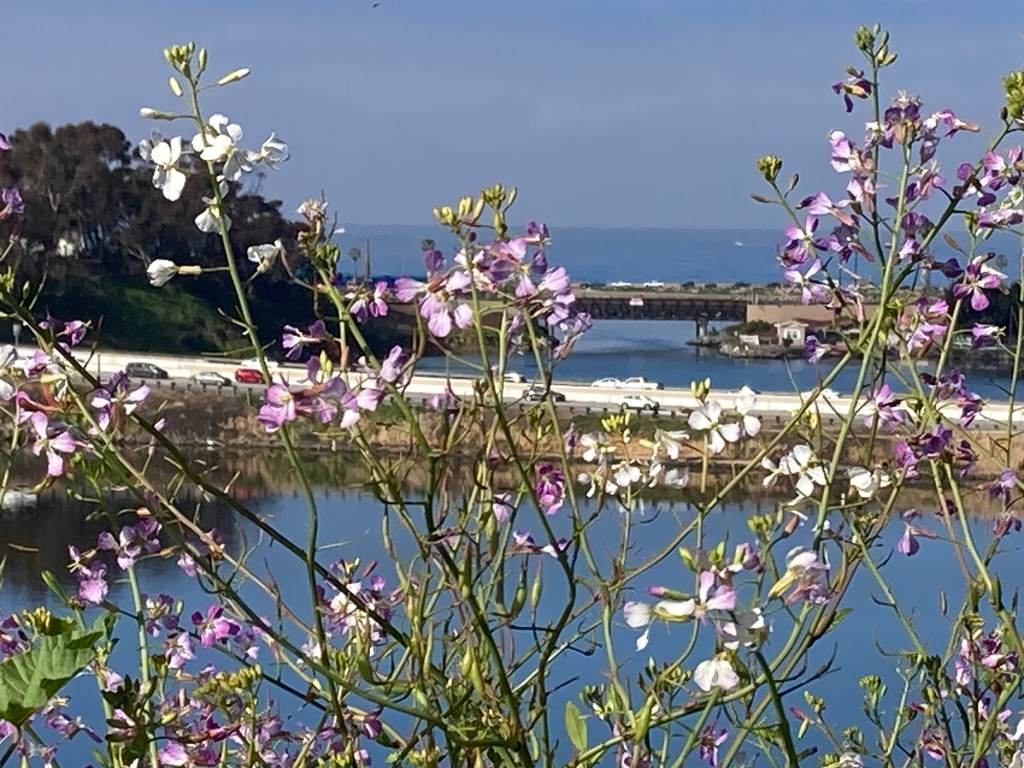
A picturesque view of the lagoon, train tracks, and Pacific ocean through Purple Mustard, an invasive weed:

I call this plant Beach Daisy, definitely a weed, if not also invasive…

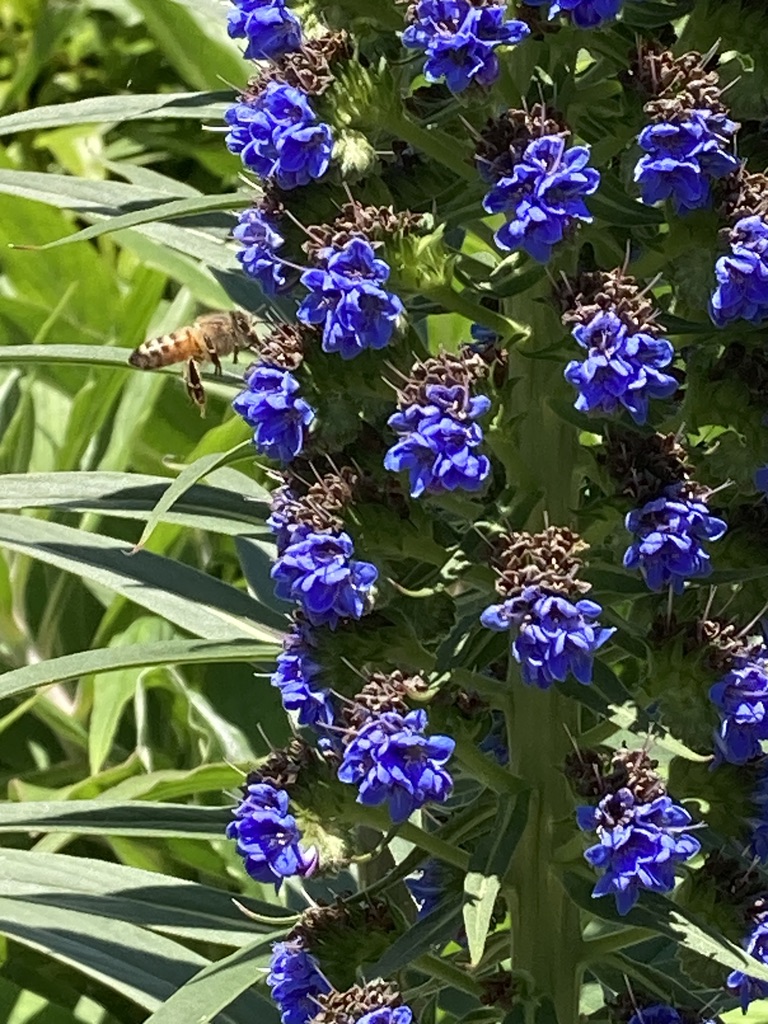
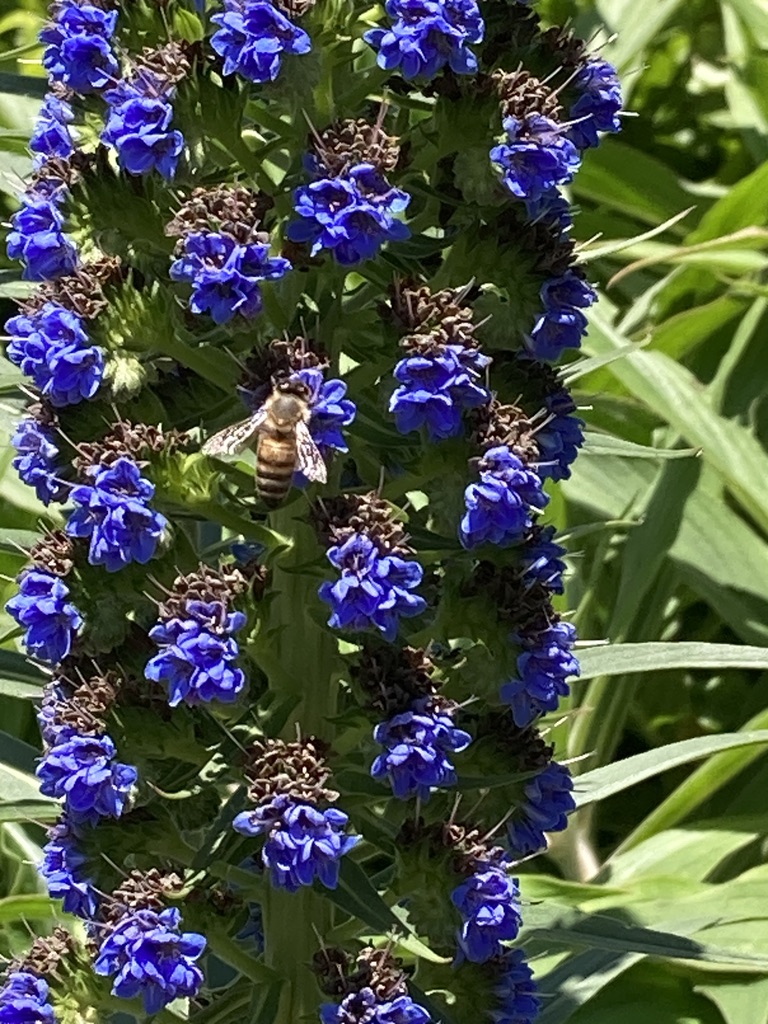
And finally, I’m impossibly happy because the wildflower seeds I planted last year in my native garden decided to sprout and present me with lovely spires of lupine:

**All photo credit belongs to Enchanted Seashells.

Gifts From Above

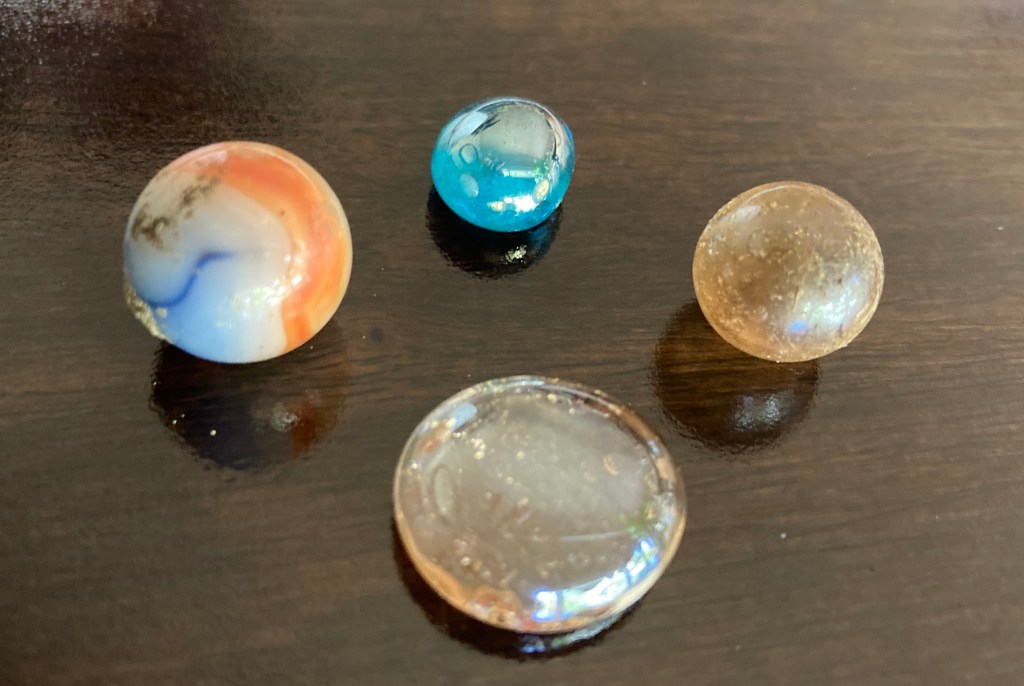
My crow cousins have been leaving gifts for me all around the garden and deck.

Shiny and sparkly!

So far I’ve discovered these four baubles. I always look up to see if I can catch the gift giver; so far I haven’t, but I say thank you out loud as I pocket my treasures.

Crows are known to give small gifts to people who pay attention to them or feed them. The phenomenon is actually called “gifting”. I don’t feed my local crow family as there is plenty to eat without my intervention, but I do talk to them and generally love their presence, so maybe they feel that emotion and return the affection. I’ve read that crows (and other corvids) remember the faces of those who are mean to them and those who are especially kind.

Some of my neighbors don’t appreciate our community of crows as much as I do, and I’m positive they aren’t receiving the same kinds of gifts like I am.

I’m full of gratitude to my bird family Thank you, cousins!

Check out another crow post:
https://enchantedseashells.com/2023/01/25/crows-crows-and-more-crows/

Rainy Rocky Vibes

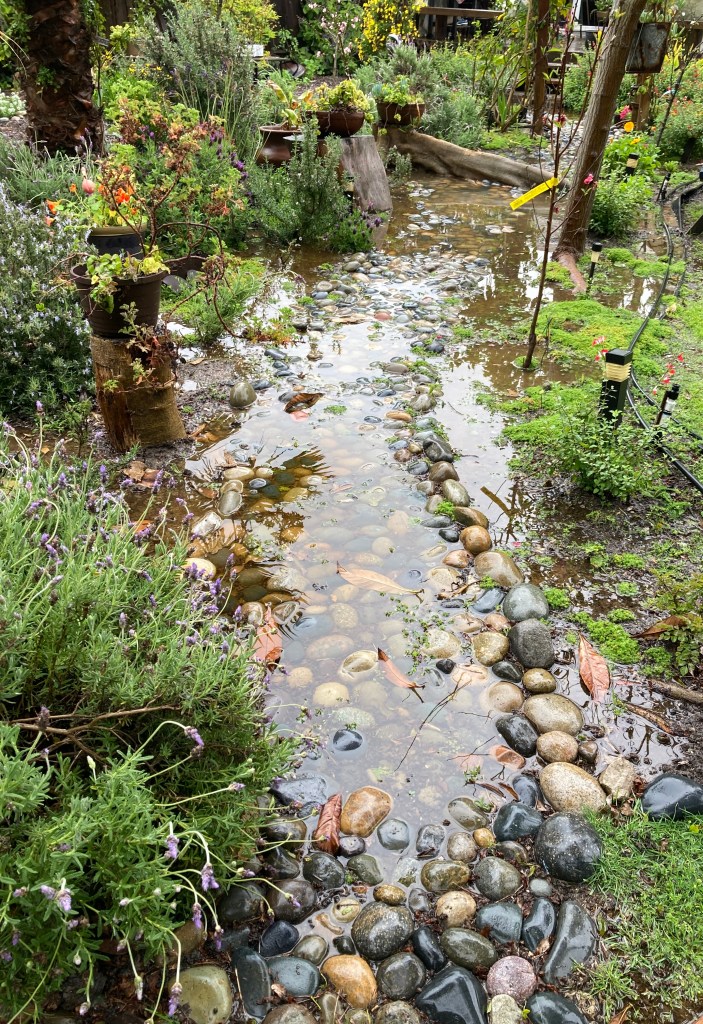
This is my one of my dry riverbeds. (The other one is in the front garden.)
I proudly carried each and every rock and placed them with loving intention.

It’s not so dry now! Yesterday’s relentless rain had other ideas.

Spring Garden Promises

Casa de Enchanted Seashells gardens are alive, blooming with color and fragrance.

In one week, since the last rain, most of the fruit trees are flowering and my florals are flourishing. It brings much joy to create a bouquet from the fruits of my own efforts, a labor of love.

This lavender is vibrant!

Peaches!

Plums!

More peaches!

Apples!

We’re expecting more rain this week. 2023 has been a crazy wet year in SoCal, but it’s just what we need to end the drought for a while. The only downside is horrible seasonal allergies, but that’s a small price to pay to live in paradise.

First Sign of Spring: Daffodils

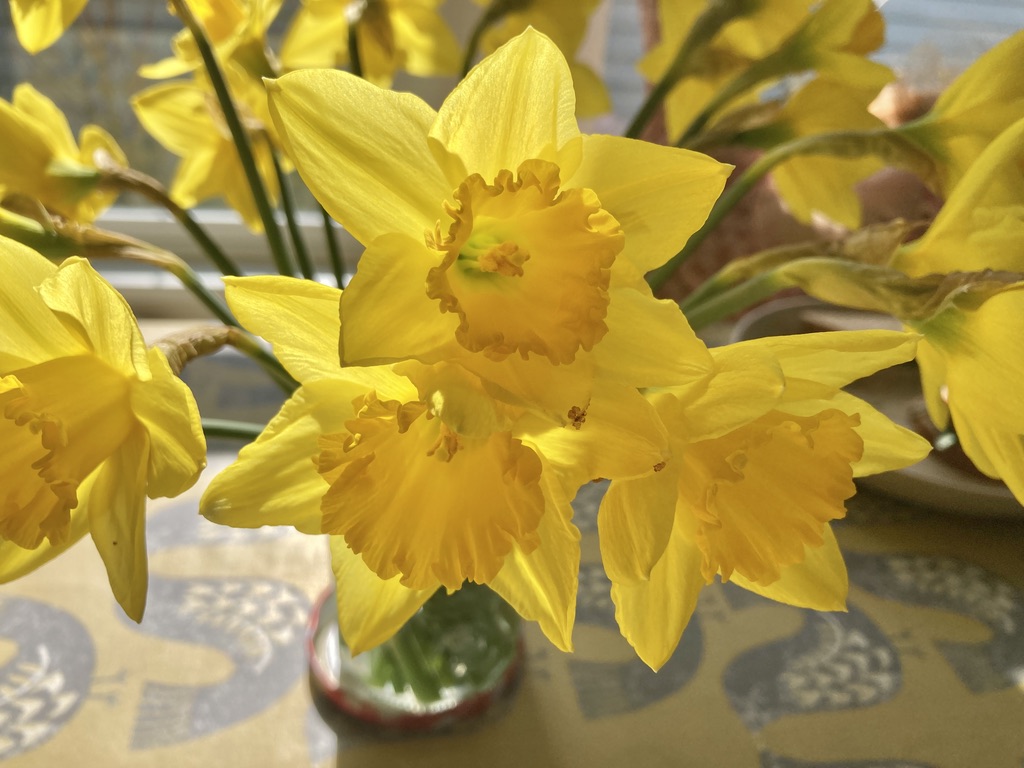
Every year Trader Joe’s displays boxes and boxes of these beauties, ready to bring home and unfurl their sunny joy.

It only took a couple days and they’re in full, glorious display.

We had almost four more inches of rain! In Southern California! It’s unbelievable, but these yellow daffodils brighten my world. Even arranged in an old jam jar, they’re perfection.

In The Garden: Lemonade Berry

This Lemonade Berry tree has almost completely taken over my front yard, surpassing our wildest intentions.

Once again, my brilliant Angel Boy didn’t think far enough into the future when we turned our front garden from lawn into a haven for California native plants.

Lemonade Berry (Rhus integrifolia) is an evergreen shrub or small tree. It tends to grow upright (10- 30 feet tall), but sprawls next to beaches. It’s often found in coastal canyons where it sometimes dominates entire hillsides. (YES!)

The Lemonade Berry’s petioles are pink or brownish and leaf blades are leathery. The flowers appear from February to May. The fruit is red to gray and has a tart flavor which gives the plant its name. Lemonade Berry is an important wildlife plant and the berries are a significant food source for birds and small mammals.

The Cahuilla and other California native peoples ate the fruits of the lemonade berry raw. They soaked the berries in water to make a beverage, and ground the dried berries into flour for a mush or to add to soup. It also has medicinal uses.

As Food:
Ripe berries of the sugar bush or lemonade berry can be soaked in hot water to produce a tart lemon-tasting beverage. Steeping in almost boiling water produces a stronger drink than steeping in sun-heated water. For a strong drink, you will need a ratio of one-part berries to two parts water.

These berries make a tart snack if picked right off of the bush, but only if sucked for their juice; the pulp is not swallowed. The berries have small hairs that can upset your stomach. Enjoy the bitter refreshing taste and spit the berry out when done.

Medicine:
Tea made from the stems can be used to treat coughs. The tea made from the bark, berries, or leaves steeped in cold water can be gargled for sore throats and cold sores.Caution: Some people are allergic to the bark, roots, and leaves, so use it sparingly the first time.

Some info curated from Santa Monica Mountains Trail Council

California Lilacs: Blooming Ceanothus

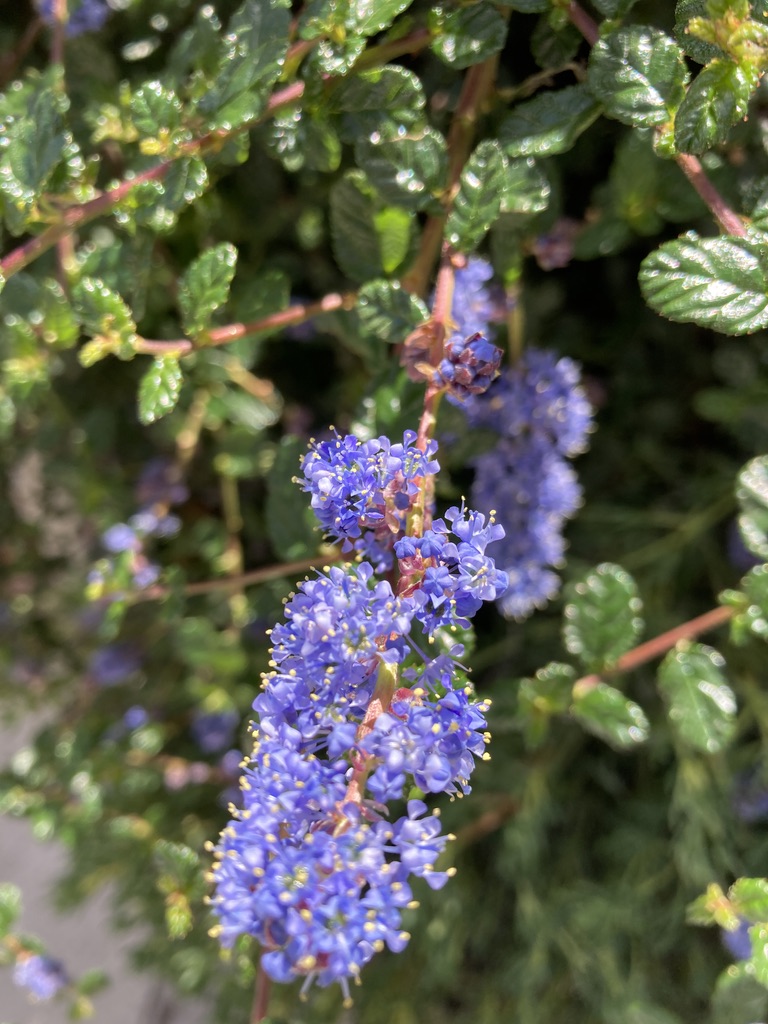
California Lilacs, or Ceanothus, are some of our most fragrant and colorful shrubs here in California. They are also evergreen and very drought tolerant.

Our extreme rain has caused my prize ceanothus plant to bloom like it’s never bloomed before.

What’s even more amazing is that a few years ago I thought it had died and planted other things in its place. When I noticed a few sprouted leaves, I decided to watch and see what happened.

Magic happened where I couldn’t see; beneath the topsoil.

Today, it’s taken over the entire area next to my driveway. It’s a testament to tenacity, determination, and perseverance; great qualities to emulate.

This ceanothus is so vibrant and alive that it takes my breath away.

House Finch Invasion!

Whether they’re House Finches or Robins doesn’t really matter. They are adorable!

I was standing at the kitchen sink washing dishes and looked out at an amazing sight. There were literally dozens of chirpy birds invading my garden, SO MANY I couldn’t even count them all.

I no longer have feeders because of my arch nemeses, RATS, so what they’re feasting on here is actually an invasive species, a Brazilian Pepper tree that somehow sprouted into the neighbor’s yard and they didn’t get rid of it like we did.

There’s no way I could capture as many as there are, but I’d say definitely more than fifty of these lovely red breasted birds are visiting Casa de Enchanted Seashells.

This makes sense because they’re eating red berries from the pepper tree.

They stayed for about an hour, saturating my world with their most delightful song and chirpy calls to friends and family. Every tree in the garden is full of these guys as well the rosemary and lavender bushes.

I’ve never seen anything like this. For me, It’s as exciting as spotting a pod of whales or dolphin. I’m grateful they chose my garden to visit. Pure joy!

Sticks on Fire

On an early morning walk before the rain started (yes, we’re getting more sky water!), I spied this colorfully striking succulent.

Sticks on Fire, sometimes called Firesticks (Euphorbia tirucalli), is a shrubby succulent with bright red, pink, orange, or yellow stems.

The more sun it gets, the more ‘fiery’ it appears. The sap of this plant is sticky/milky and may cause irritation to skin as there are mild toxins.  

Many succulents in the euphorbia genus, such as the pencil cactus and crown of thorns, are also poisonous to both cats and dogs. Symptoms of poisoning from ingesting this succulent range from gastrointestinal upset to skin and eye irritation.

I made it home just in time! That’s not a speck on your screen, it’s an airplane heading to our local airport.