“Remember, the entrance door to the sanctuary is inside you.”- Rumi

“Remember, the entrance door to the sanctuary is inside you.”- Rumi
Established in 1868, Memorial Day (originally known as Decoration Day) honors those who have died in military service for the United States. It’s a day of reflection and remembrance for their ultimate sacrifice.
When I was little, my mom and dad would buy red poppies for us to wear, but I haven’t seen them in a long time.
It’s also a three-day holiday and lots of tourists are here, but it’s still early and cloudy, so it’s not too crowded on the roads or the beach.
However, the waves are full of surfers packed like sardines waiting for the building swell.
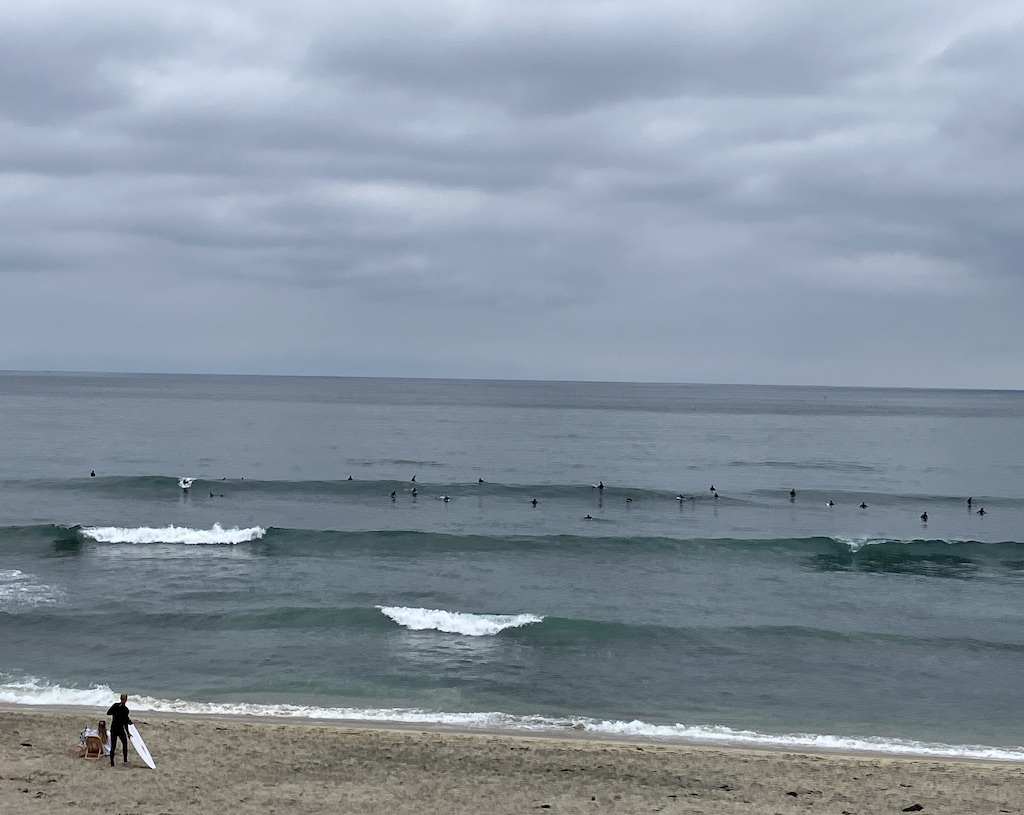
I’m continually surprised that I don’t see more surfer collisions when they’re so close together.

Lifeguard Tower 35

Have a safe and happy Memorial Day!
DIL asked for suggestions about flowers for a hanging basket near their front door.
When I replied that I thought a fuchsia would be pretty, she snortlaughed and said,
“Ring-ring-ring, 1980s calling, Grandma!”
I had never before thought that a purple-pink fuchsia dated me as being OLD, haha. It was a great joke…UNTIL she saw mine, asked what it was, and I was able to identify this amazing creation as a…fuchsia!
So NOW who’s laughing?

How could anyone not love this delicate ballerina of a flower?
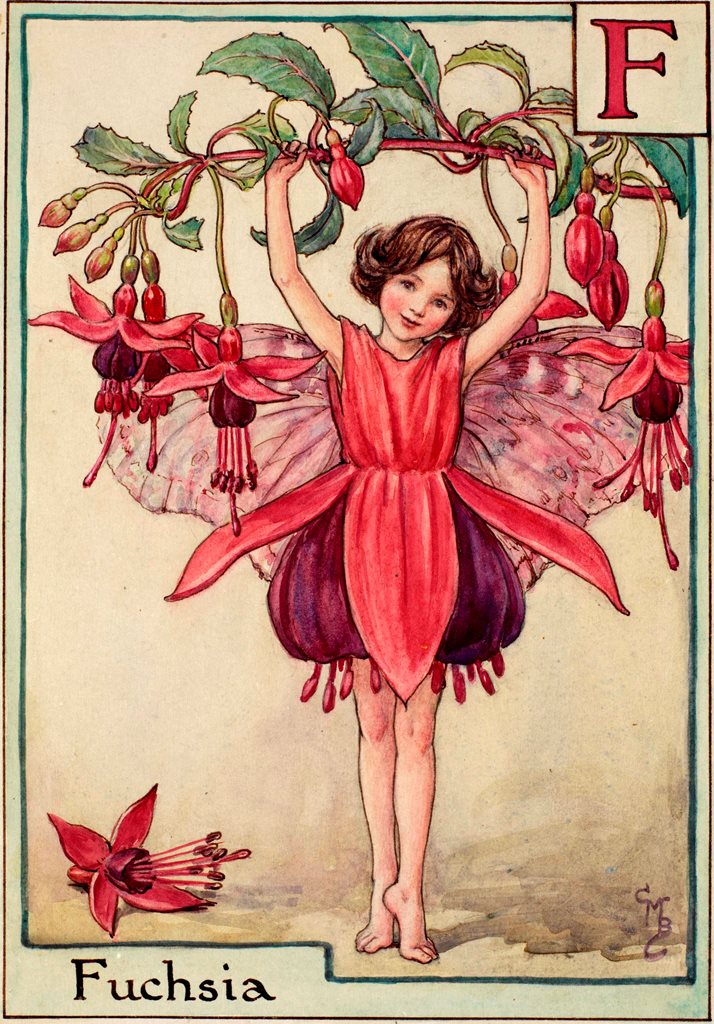
Fuchsia is a dancer
Dancing on her toes,
Clad in red and purple,
By a cottage wall;
Sometimes in a greenhouse,
In frilly white and rose,
Dressed in her best for the fairies’ evening ball!
The Angels love to look through the photos on my phone, especially all the ones I’ve taken of them, of course.
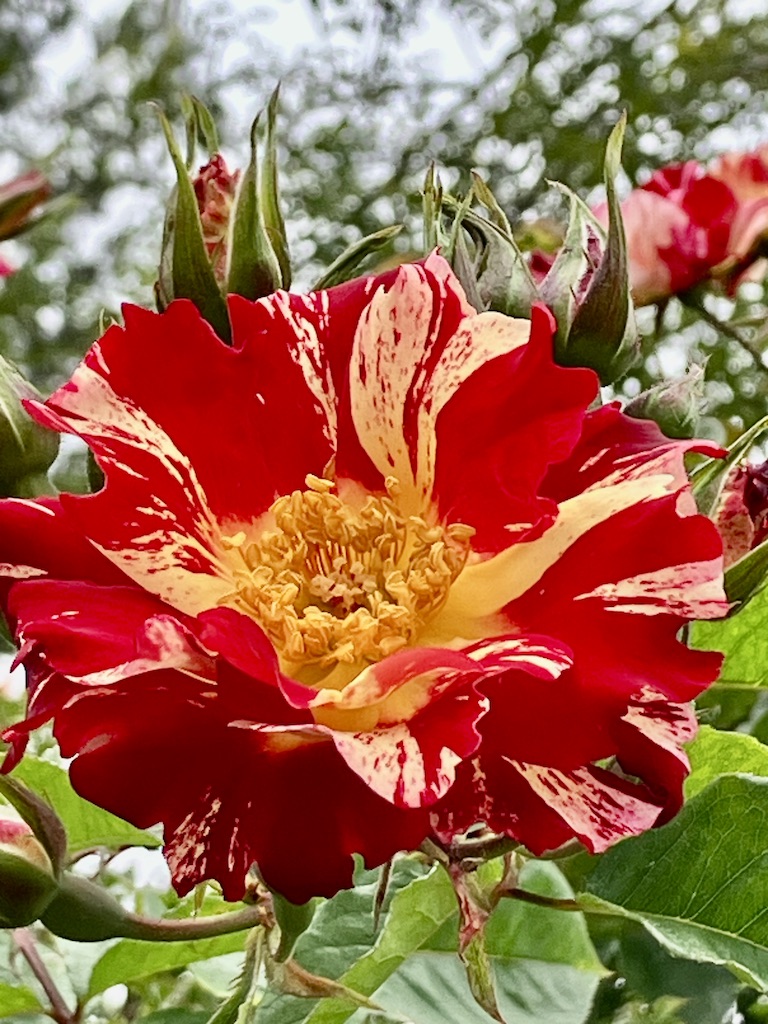
When we clicked on this rose, I told them it was a selfie of ME cos I’m Princess Rosebud. They thought that was funny but being their dad’s kids, they just HAD to disagree…
“Grandma, you are so annoying! You aren’t a REAL princess!”
“Yes, I am.” I replied. “And you are Princess Charlotte and Prince Theodore.”
“Dad, Grandma’s being annoying again!”
OMG did they just tattle about me to my original Angel Boy? That’s too funny.
From the other room, I hear him say, “Mom, stop being annoying.”
I guess that’s going to be my legacy…however, we’re all royalty around here, so I thought I’d share this little joke to start the week.
This particular rose smells as good as she looks. Spicy and sweet, just like me.
I think a backstory needed to explain the origin of being called “annoying”, thanks to my new friend, wonderfully talented author Debbie Russell. I should have explained it in more detail and to be fair to the Angels.
I first began to reference myself that way when I bothered them as they were busy doing things (just to be funny) like standing in front of the TV during a show they were watching and I’d say, “Aren’t I the most annoying Grandma?” and they’d say “Yes, you are! Stop it!” And I’d stop, of course. Also for example, when I’d read a book to them, a book I’d literally read a thousand times before, to make it more interesting for ME, I’d change the names or spice up the story a bit differently, mainly to see if they were paying attention (which they were) and then they’d say, “Read the exact words, Grandma!” which I thought was pretty cute. And then I’d say, “Do you find it annoying when I do that?” The answer was always yes.
The Angels weren’t being disrespectful. Grandma was!
A May gray morning is the perfect weather for a walk.
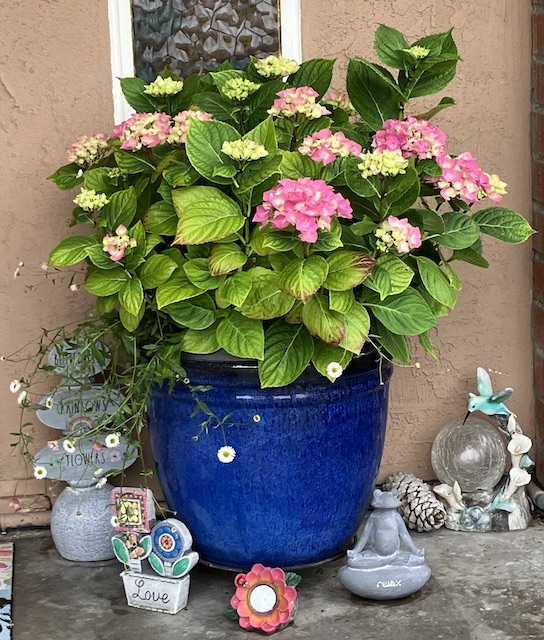
My hydrangea is blooming and yes, I know I could turn the flowers blue with the correct fertilizer, but I decided to allow them to retain their natural hue without intervention.
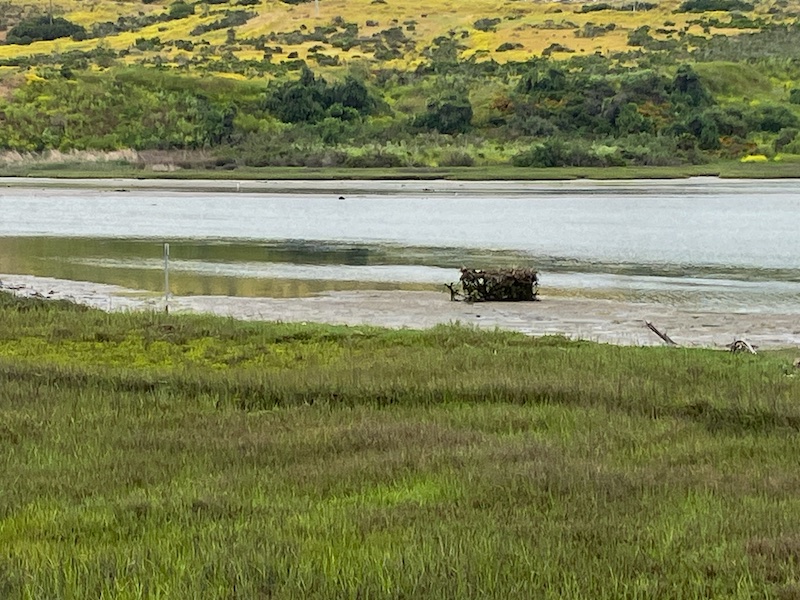
At sundown, this is where I often see coyotes, but nothing right now.

Here’s the entrance to a lagoon path; how adorable is this community fairy village?

I’m not too sure what that big square thingy is on the shoreline, but I didn’t want to walk in the muck with my good walking shoes, so it’ll have to remain a mystery.
It’s rattlesnake season, so I diligently watched where I was going and spied a strange object. It’s not exactly a rock but feels heavy for its size and to me, it looks like a whale. Another treasure to bring home!

I hope your Sunday is happy!
They’re back! Nothing says springtime like a visit from these guys.
Scott’s Orioles are so deliciously bright and vibrant and they very rarely sit still long enough to get a good photo. I was in the right place at the right time for sure!
Look at this male beauty perched on my grapevine.

This Bush Poppy (Dendromecon rigida) is a California native shrub. It’s a tough and beautiful plant but only if planted in the right conditions. The Bush Poppy thrives on rocky clay slopes with excellent draining. If planted in sandier soils, it can handle supplementary water up to once a month. Prefers full sun. Flowers are beautiful, as are the long, thin, blue-green leaves.
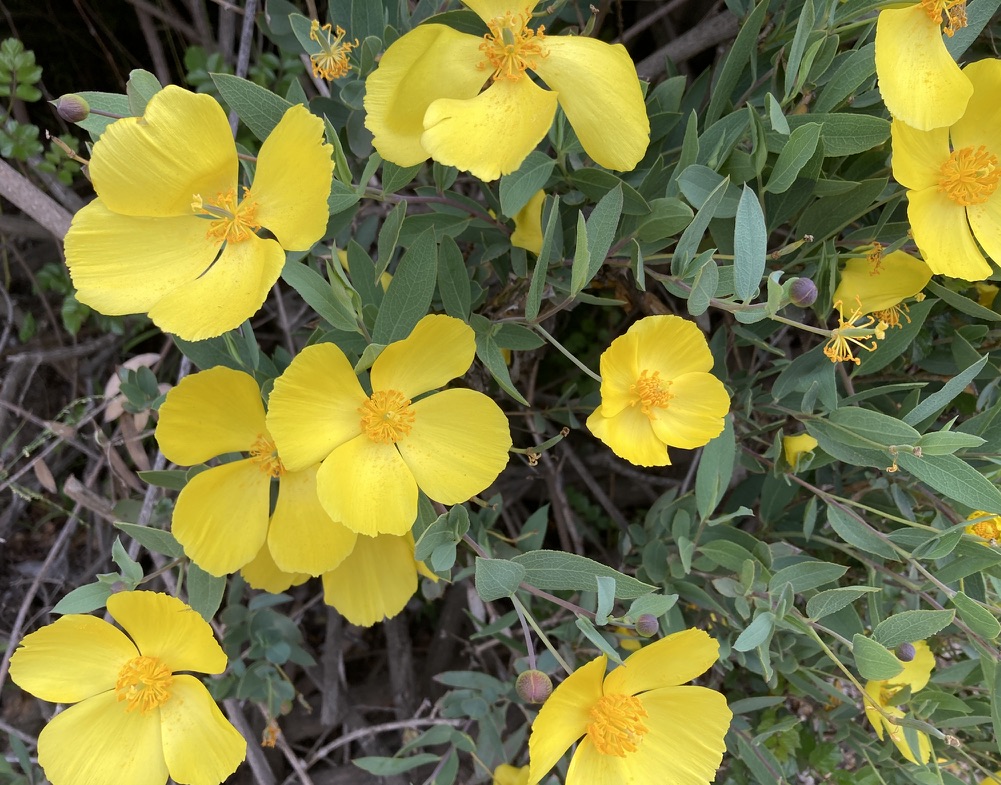
Look at this lemony yellow azalea. I didn’t even know they came in yellow until I used the info app on my phone to identify this gorgeous girl. I think it’s actually called Rhododendron ‘Lemon Lights’.

My phone is too full of photos so I’ve done a complete Marie Kondo: delete, delete, delete. These are some great ones I thought I’d share before they’re gone forever…
You can’t see them, but I DID. Eight, yes EIGHT orca whales! Leaping and breaching, one right after the other; this experience was beyond magnificent. They were close to the boats that you CAN see, and yes, I was totally freaking out. It was my first sighting. Magical doesn’t even begin to describe the feeling because for me, it was as meaningful as the day I saw wolves in Yellowstone’s Lamar Valley. Joy filled all the spaces of my heart, but the moment was also tinged with sadness because I know there are still some killer whales in captivity and that is so, so very wrong.

Sand or gravel barge with push tug? I’m not sure.

Another big boat…

Snow on the Olympic Mountains!
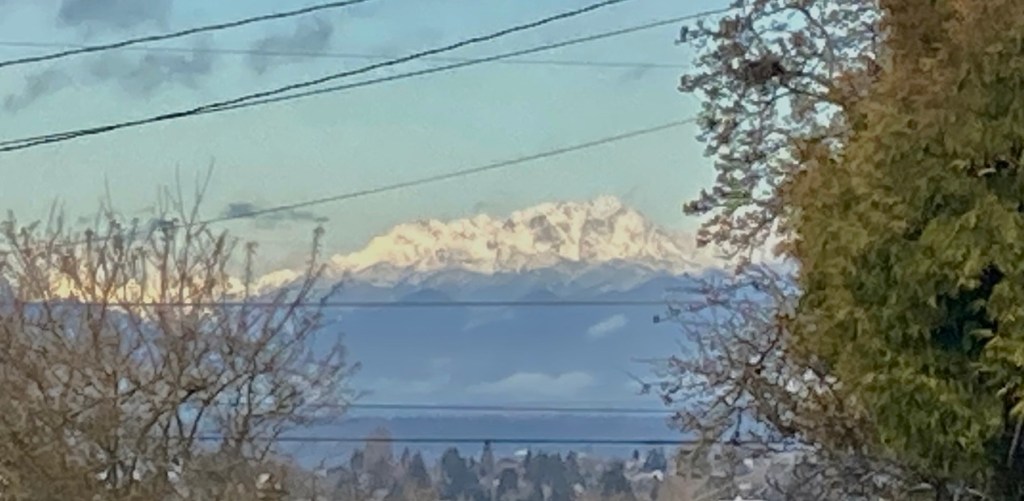
Now the photos are gone, but in my heart and mind, they will live forever. Time to replace them with new memories.
“The moon, like a flower in heaven’s high bower, with silent delight sits and smiles on the night.”
William Blake
It’s been raining in SoCal, and if you have clear skies tonight in your area, take a look at the stars next to the moon. One of them is Alpha Librae, also known as Zubenelgenubi. This star is quite special: if you have eagle eyes or use binoculars, you’ll see it as two stars. That’s no optical illusion as Alpha Librae is, in fact, a double star. To learn more, visit the Sky Tonight app.
As a special bonus, a penumbral lunar eclipse is taking place, too!
Don’t forget to charge your crystals and a jar of moon water!
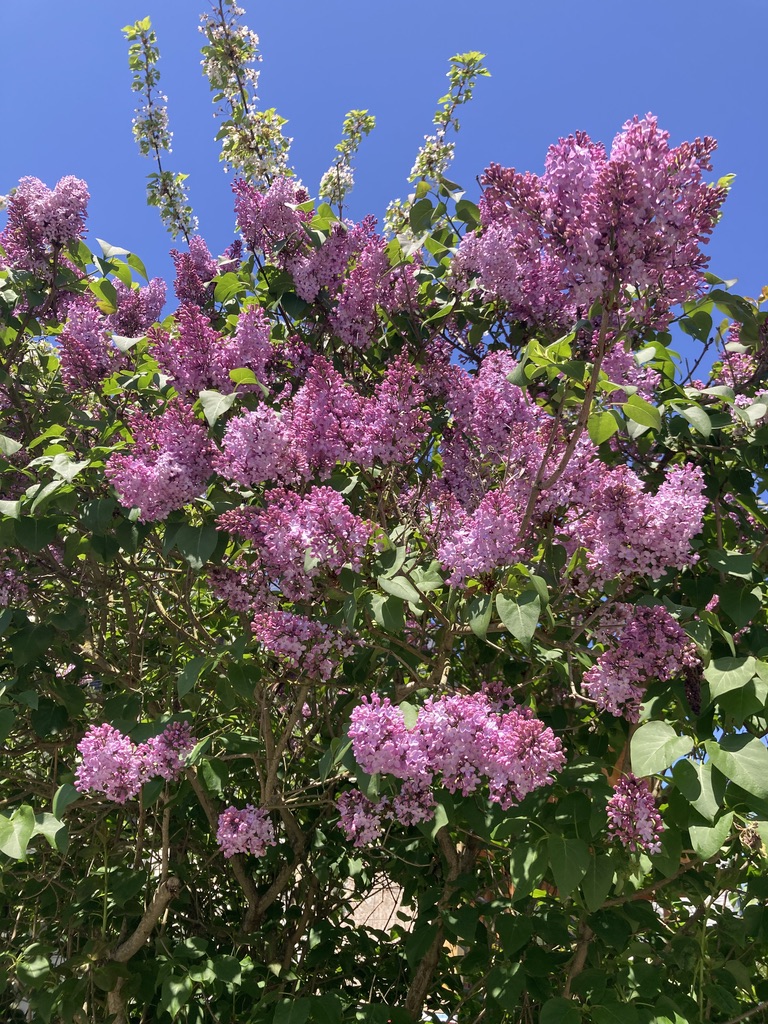
Not a super great photo of the moon; but I discovered some spectacular tulips and lilacs on my walk.


Just like this happy purple pansy I found glowing and growing in a sidewalk crack.
Against all odds, alive and thriving…
(Did you know that pansy came from the French word “pensee …remembrance or thought?)

 Enchanted Seashells | Princess Rosebud