Happy World Vegan Day!

Instead of possibly boring everyone with my own vegan journey, I thought I’d celebrate the day by sharing images!

A short preach: I became vegan in 1970, first of all because my high school surfer boyfriend decided to go vegan, and I continued to follow the meat-free path even after we broke up. I don’t  miss eating meat. Chicken IS meat, so I don’t eat that either, in case you were wondering. in the past I would eat seafood once in a while, but I cut that out, too. The hardest thing to give up was cheese until I saw the video of the living hell endured by dairy animals. So there you have it. Oh, and my Chanels…so I still have miles to go before I’m perfectly cruelty-free.

tumblr_mtzvvyKGhC1qhlsrfo1_1280 you-are-what-you-eatVegan Month A2 Postersoeecardsvegan highproteinvegan noeatanimals

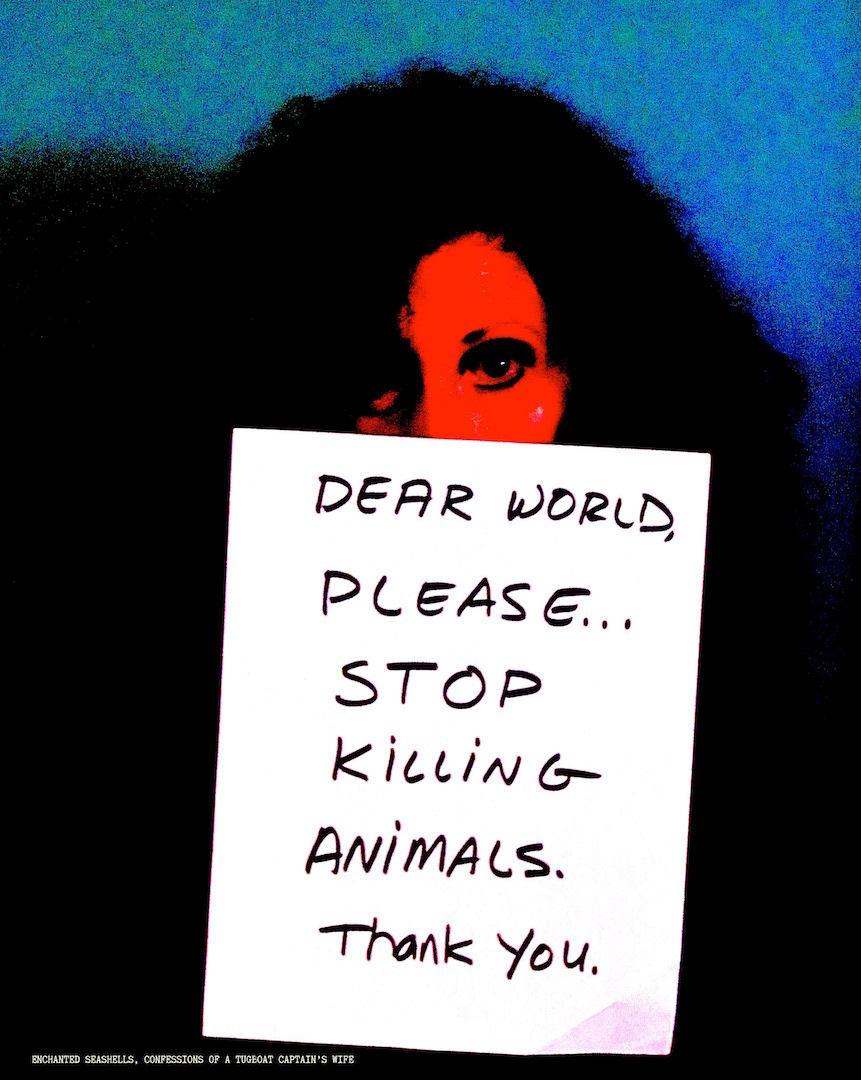
World ME

Happy-World-Vegan-Day-Dog-And-Cow-Picture

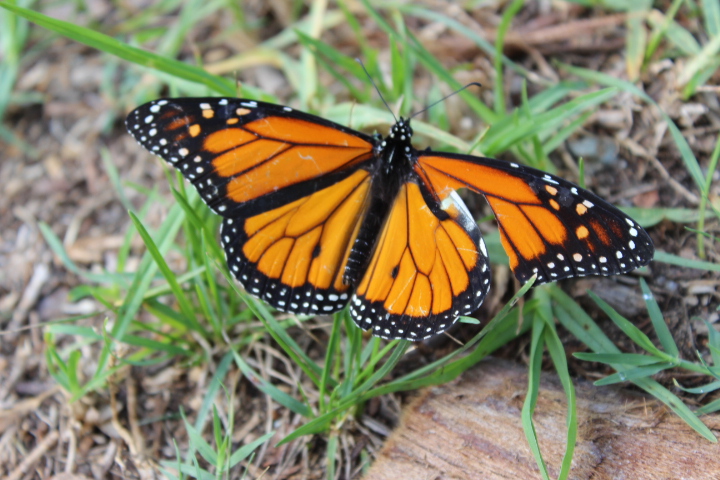
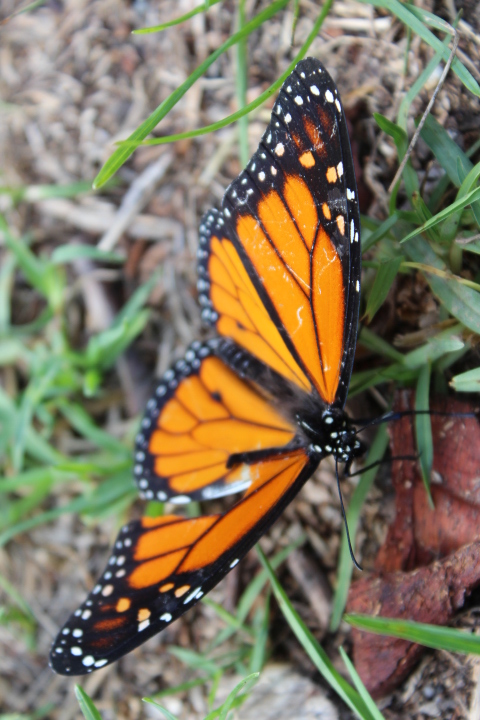
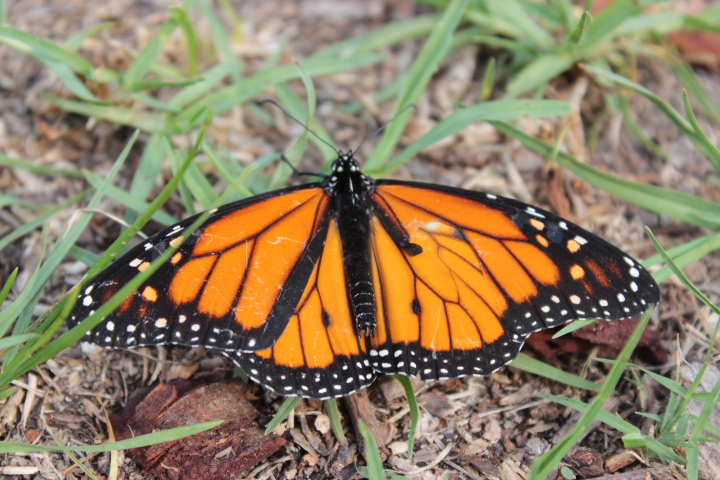
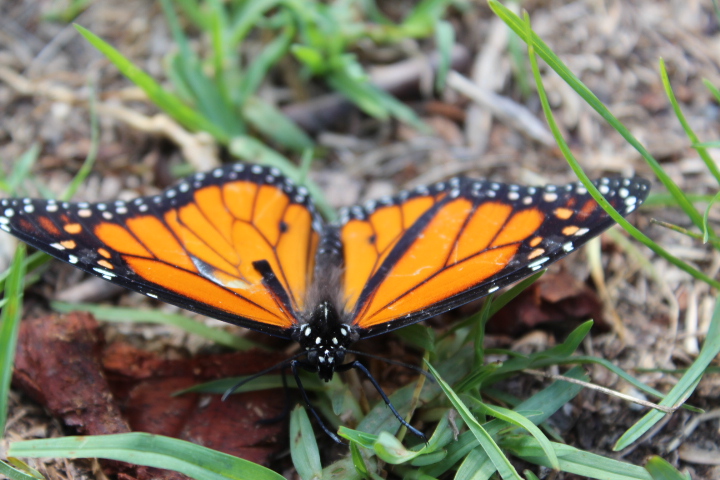
The First Day of Autumn Brings an Injured But Still Beautiful Monarch Butterfly to Our Garden

Perhaps it’s because this is the first day of autumn that coincides with my Angel Boy’s half birthday (we always celebrate) or because he really has left the nest for real this time with his first tenure track professorship (at least on the west coast so we’re closer) but I’m feeling a sense of change along with the the season.

Even in SoCal the weather will eventually morph into a winter of sorts and maybe that’s why this butterfly was in a weakened condition, because there’s no way to tell how the injury occurred,  but she was flying around me and then came to rest on the lawn right next to my new raised bed where I was playing around with the sand dolllars from yesterday’s post.2015-09-20 22.03.25

How do you help an injured butterfly? Can I pick her up and take her to the vet? Can you superglue the torn wing? (I don’t think so) but her ability to still lift off and float on the breeze made me think of her metaphorically.

In fact, it’s a day full of metaphors with my son flying off and away (literally on an airplane as I’m typing this) to become a fully fledged adult with a grown up job and a boatload of responsibility.

SIGH.

But then this butterfly visited me and I’m trying to decipher her deeper message, although maybe a butterfly is just a butterfly.

I do know that even though her wing was damaged, she didn’t give up; she was resilient.2015-09-20 22.03.12

Maybe she just needed a safe place to rest and heal.

monarch1

2015-09-20 22.01.12

And just like that, she flew away, carried off by the balmy breezes of another SoCal heat wave.
2015-09-20 22.02.56And thanks to a smarter blogger than me who writes over at https://pacificparatrooper.wordpress.com/ (you need to follow him!)  his brilliant comment referenced the “butterfly effect. According to Wiki, it’s a popular hypothetical example of chaos theory which illustrates how small initial differences may lead to large unforeseen consequences over time.

And he doesn’t know it, but this is SO TRUE. As I keep saying, all will be revealed…

Stay safe, my friends, and Happy Autumnal Equinox to everyone!

Heed the Call of the Song Dog: Why Coyotes are Important

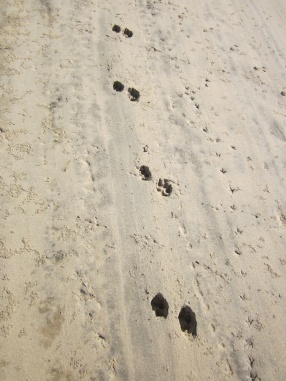
coyoteprintlagoonWhen we first moved to Carlsbad in 1985 well before a LOT of indiscriminately built developments encroached upon animal habitats, our street abruptly stopped at a magical and wild hillside covered with sage, buckwheat, and coyote bush. There were deer and bobcats; even a mountain lion sighting now and again.

And always the ubiquitous coyote.

I’ve only spotted them a dozen or so times, but their scat is always present, and the symphony of songs we’ve heard over the years has been part of the joy of living here.

At sunset, at midnight, before sunrise, our lives have been punctuated with yips and howls.

Recently, there’s been one particular voice that belongs to a specific coyote we’ve named “Old Man” because he has a distinctive lower tone, and his signature song is one solitary defined melodious cadence.

What is so amazing about “Old Man” is not only his distinctive voice, but he seems to be located in our yard, and silly or not, we believe he’s communicating with us.

I know. Crazy, right?

That’s one reason why we’re so upset about all the development that willfully destroys their environment: coyotes play a necessary and important role in managing rodents and rabbit over-populations.
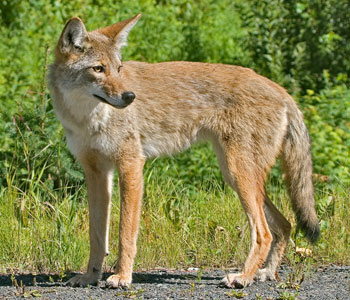
COYOTEPIC

Beautiful and intelligent.

I’ve curated some great information about coyotes from Project Coyote and The Natural History of the Urban Coyote in hopes that everyone will learn to love, protect, and respect them as much as we do:

Urban coyotes do not feast on pets and garbage; they typically stick to a natural diet.
Due to sensationalistic reporting, many urban residents think all coyotes are out to eat their dog or cat at the first opportunity, or that they’re dumpster divers of the first degree. On the contrary, studies have shown that urban coyotes stick mainly to a natural diet.

Coyotes are opportunistic omnivores and will eat fruits and vegetables along with animal prey.  A study by Urban Coyote Research Program analyzed over 1,400 scats and found that “the most common food items were small rodents (42%), fruit (23%), deer (22%), and rabbit (18%).” Only about 2 percent of the scats had human garbage and just 1.3 percent showed evidence of cats. “Apparently, the majority of coyotes in our study area do not, in fact, rely on pets or garbage for their diets,” say the researchers.

This aligns logically with urban coyotes’ preference of sticking to parks, preserves, cemeteries, and other out-of-the-way areas as much as possible. The food available in these locations is rodents, reptiles, fallen fruit and other food items that are part of a natural diet.

Coyotes of course take feral cats or the occasional domestic cat that has been left outdoors, and there is certainly evidence that coyotes that have become habituated and overly bold will go after small dogs. However pets are not primary prey for them, not by a long shot.

As it is with the presence of apex predators in any ecosystem, having coyotes living and thriving in an urban area is a positive sign of the health and biodiversity of urban areas. Their presence can be considered a thumbs-up for the quality of a city’s urban ecology.

Project Coyote, a North American coalition of wildlife scientists, educators, predator- friendly ranchers and community leaders, promotes compassionate conservation and coexistence between people and wildlife.

As a national non-profit organization based in Northern California, Project Coyote works to change negative attitudes toward coyotes, wolves and other native carnivores by replacing ignorance and fear with understanding, respect and appreciation.

All of our work — through education, science, and advocacy — strives to create fundamental and systemic changes in the ways wild carnivores are viewed and treated in North America.

Why Coyotes?
As the most persecuted native carnivore and a species that has existed in North America since the Pleistocene, the Coyote represents all misunderstood and exploited predators. Poisoned, trapped, aerial gunned and killed for bounties and in contests, an estimated 500,000 coyotes die every year in the U.S. alone — one per minute.

Revered and respected by Native Americans for their intelligence and resilience, coyotes have much to teach us about the capacity to evolve and coexist in the face of rapid ecological and social change.

By changing attitudes toward coyotes, we replace fear and misconceptions with respect and appreciation for all native carnivores as ambassadors for healthy and sustainable ecosystems

How to make your community coyote-aware:

Whether you live in a rural or urban area, you can help to educate your community about coyotes and coyote coexistence strategies.

Many state wildlife agencies are underfunded and understaffed and simply don’t have the resources to address increasing human-wildlife conflicts resulting from urban sprawl, habitat fragmentation, and growing human populations.

Here are just a few ways that you can help make your community Coyote Aware:

  • Organize a Coexisting with Coyotes event in your community; contact Project Coyote to see if one of our staff or Advisory Board members can speak in your community or suggest someone locally.
  • Organize a screening of American Coyote—Still Wild at Heart in your community; this may be combined with a guest speaker presentation.
  • Ask your local cable station to air American Coyote—Still Wild at Heart
  • Write letters to the editor to help educate your community about coyotes and the important ecological role they play in maintaining species diversity and ecosystem health. Click here for our tips for writing letters to the editor.
  • Organize a tabling event at local venues or events and help distribute Project Coyote educational materials.
  • Help spread our message and support our work by purchasing and wearing Project Coyote merchandise. Visit our CafePress shop to see our latest hip t-shirt designs and other products.

Let’s all learn to CO-exist with the coyote.

https://www.psychologytoday.com/blog/animal-emotions/201210/coyotes-lets-appreciate-americas-song-dog

Coyote, America’s song dog, is an amazing and magnificent animal who is very misunderstood, historically maligned, and tragically and reprehensibly persecuted. Coyotes are intelligent, playful, affectionate, and devoted caregivers. Native Americans appreciated them as cunning tricksters. They are among the most adaptable animals on Earth and are critical to the integrity of many diverse ecosystems. I know coyotes well having studied them for decades.

North America is home to a very special wild dog—the coyote. Highly respected by Native Americans, coyotes have held a special place in our history. The Navajo’s sheep and goat herders greatly revered coyotes, and referred to them as “God’s dog.” It wasn’t until sheep ranchers began running large herds of unprotected sheep that coyotes began to be viewed in an unfavorable light.

 coyoteQuiet and intelligent, coyotes play a special role in our sense of the natural world and in our eco-system.

Though our interactions with coyotes are rare, these fascinating animals live in nearly every city in the country, and in every forest and town in between. Because they’re predators that will occasionally prey upon the domesticated animals we love—our cats and chickens—coyotes have been reviled by many. But it’s important to keep in mind that, like any predator, coyotes play an important role in keeping our ecosystem in balance.

42% of a coyote’s diet is made up of rodents. That means that coyotes work hard every day to keep a cap on the mouse and rat populations in our area. In farming areas, coyotes can be seen following farm machinery as they catch the voles and rodents that flee the machine. Nearly 30% of their diet is berries and grasses.

Lcoyote pupike all omnivores, coyotes will take food wherever they find it, which means that they will also eat insects, fawns, birds, frogs, snakes, and human trash. Coyotes eat raccoons. And, given the chance, a coyote will eat a cat. This happens rarely, however—studies show that cats make up less than 1% of a coyote’s diet.

In many parts of our region, coyotes are an apex predator, which means that they are at the top of the food chain. By nature, they keep the other animal populations in check.

Humans and Coyotes
Because coyotes are predators, their history with humans has been filled with violence. Coyotes are hunted in many parts of the country, including Washington State. Yet studies show that where coyotes are hunted and trapped, females produce more pups per litter than in areas where they are protected.

coyote pupMany people worry that coyotes might attack or bite a human child, but the truth is that coyotes shy away from people. In Kitsap County, for example, in 2007 there were 189 dog bites reported. There has never been a coyote bite incident in Kitsap.

Not all humans fear or dislike coyotes. For many of us, the coyote is a mystical, elegant animal. There’s magic in seeing a silent coyote standing on the forest’s edge, watching us warily before trotting, light-footed, into the woods. Coyotes are the closest thing we have to wolves, to the wild equivalent of the dogs we know and love in our homes.

Family Life
Some coyote pairs live together for years, hunting and raising pups together. From time to time, these bonds last for life. Coyotes breed in late winter (something to think about on Valentine’s Day.)
During pregnancy, the female digs a den under an uprooted tree or log or in a thicket or other protected area. The den usually has a small opening, but is 5 – 15 feet inside with a sizeable nesting chamber at the back end.

coyoteAfter 63 days of pregnancy, the female will enter the den to give birth to a litter of pups. The average litter is four pups, but this varies depending on food availablility and the density of the local coyote population.

Coyote pups are mainly cared for by their mother, sometimes with help from an older sibling. The male hunts for the family during this time. After the pups emerge from the den at 2 – 3 weeks, they’re ready to start eating regurgitated food in addition to their mother’s milk.

Coyote parents with young pups often move from one den to another in order to keep their pups safe and secret. Moving also helps limit the mess in any one house!

Young coyotes usually stay with their parents until they’re 6 – 8 months old.

Coyotes are incredibly adaptive, even to human society. In pioneer days, coyotes lived exclusively in the Intermountain West, but as people have expanded their territory, so have the coyotes. Human trash, development, and infrastructure have helped coyotes spread all over the country.

They may be quiet around people, but coyotes have plenty to say to each other. They bark and howl to signal danger, woof and growl to show threat, and they whine or yip in greeting. Group howls are often given when the family is trying to communicate with an absent family member.

Read more about Coexisting with Coyotes and Fun Facts about Coyotes.
Me, Mostly Naked, With a Hawk

Our bedroom window looks out over the garden. Yep, it’s HUGE, a lot of work with neverending projects, but I love my sanctuary.

bedroomview

This is where I see bunnies and roadrunners and all sorts of wildlife.roadrunner

One day last week, early in the morning, I was getting dressed to go to the gym and spied a hawk perched on a low branch in the eucalyptus tree. I think it’s the same hawk that’s been hanging around for years.

He was facing the pond, quietly and patiently waiting for breakfast to appear.

pondwater2

Therein lies the dilemma. What’s a girl to do?

If I finish getting dressed, I’ll miss this amazing shot; but if I run outside half naked, will anyone see me?

Because we have six-foot fences all the way around our property, I felt pretty certain that no one would catch a glimpse of the real me in my bra and bikini bottoms, so I grabbed my camera and ran outside.

I felt so NAUGHTY hee hee.

This is what I was rewarded with — and do you see how he gave me a shady side eye — so much human flesh this early in the morning clearly offended his sensibilities.
beautifulhawkjuly162015

Isn’t he gorgeous? The hooked beak and talons are MAJESTIC.

My presence was distracting (he was looking right AT me) so I went back in the house to allow him to catch his breakfast without further interference.beautifulhawkjuly1620152

Don’t worry, I didn’t snap a selfie in my state of undress; you didn’t actually THINK I WOULD, did you?

Of Circuses and Condoms: The Slave Trade is Alive and Well in 2015

Circus TextThis might come as a shock to you.

I don’t spend ALL of my time shopping. Seriously, is that what you thought?

It’s true that I devote a great deal of my waking hours in a search for treasures old and new, but once in a while, I aspire to a higher calling.

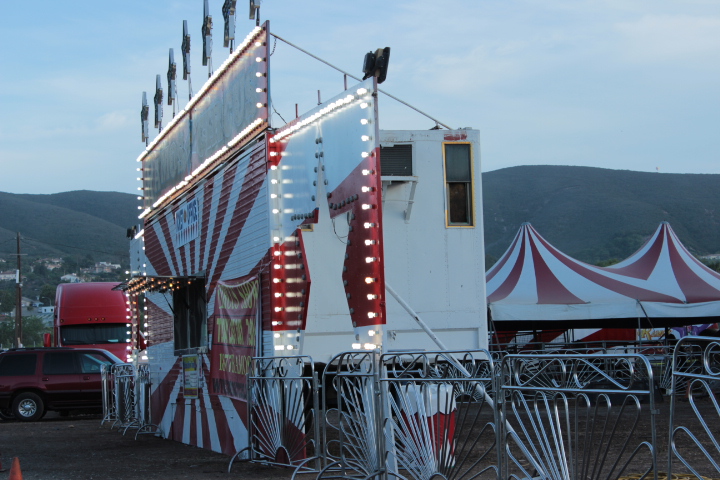
circus5On Sunday and Monday, I hung out with an amazing and dedicated group who were protesting Ramos Brothers Circus in San Marcos, California.

Shame on San Marcos for supporting the mistreatment of animals.


What’s my story?
 I’ve never been to a circus because my mom felt strongly that animals should not do tricks and that there is something so very wrong in forcing animals to become entertainment for human profit.
If you were wondering where all my animal activist genes came from, I’d have to thank my mom. (Also thanks to her for the fashionista gene.)

I stopped eating meat in 1970 when I was a senior in high school. My boyfriend at the time wanted to try to eat healthier so I went along with his experiment. We eventually broke up but I never did eat meat again.

circus1Thank you to everyone who drove by, honked, and gave a thumbs up in support of our efforts.circus4

I have a request to make of you…the next time you see a group of people protesting animal abuse, STOP. Get out of your car. JOIN US. Take an hour out of your busy day just like we did to MAKE A DIFFERENCE. Bring your children. Show them that you don’t just talk about caring for animals…you are agents of change. circus2

Then, hopefully, we CAN make the world a better place.

No matter what you think about PETA, they’re right about this:

“Animals aren’t actors, spectacles to imprison and gawk at, or circus clowns. Yet thousands of these animals are forced to perform silly, confusing tricks under the threat of physical punishment; are carted across the country in cramped and stuffy boxcars or semi-truck trailers; are kept chained or caged in barren, boring, and filthy enclosures; and are separated from their families and friends—all for the sake of human “entertainment.” Many of these animals even pay with their lives.”

Animals have RIGHTS.

Did you grow up eating meat, wearing leather, going to circuses, zoos, and the bathtub that is SeaWorld?

Do you wear wool and silk?

Are you now considering the impact of your actions on the animals?

If you haven’t, maybe you SHOULD.

Animals are NOT a requirement for a circus-type entertainment to be prosperous.

The overwhelming success of Cirque du Soleil is proof that you don’t need to have animals of any kind to have a circus.

Ingrid Newkirk, president of PETA, said people have turned against animal acts as they learn more about the animals and how they are treated. “These are complex, intelligent animals, and this is a lousy, lousy, dirty, cruel business, and people see that,” she said. “This was purely a business decision.”

Isn’t it wrong that these animals don’t get to see this glorious sky, bask in the breeze, and feel rain on their fur? Their lives are dismal, traveling from one city to another in dark, smelly, cramped trailers.
circus8

I’m not going to share the sad, tragic, horrific, heartbreaking pictures and videos of abused animals. If you need proof, you are more than welcome to Google and compile your own documentation.

I KNOW all I need to know.

A couple years ago, I spoke (along with PETA) against elephant rides at the San Diego County Fair and almost got into an altercation with one of the few supporters of this barbaric form of entertainment. I don’t understand how seemingly intelligent and civilized humans could allow this kind of abuse in 2015 when we’ve seen the videos, when we know what hell an animal endures to become “entertainment”.

Aren’t we better than this?

Haven’t we evolved at all in the last one hundred years?

Do you really need all that bacon-wrapped crap when you know what hellish existence pigs endure in factory farms?

Really?

Compassion
Let’s teach our children, the next generation, that not only do animals have feelings, animals have the right not to be exploited, mistreated, abused, and enslaved.

For more information, visit circusprotest.com
I hope to see you in San Diego at the next protest!

As we walked our way over to the sidewalk with our signs, look what we had to step over.

Gross, huh?circus11

However, in some way, it’s a perfect albeit disgusting metaphor for the way too many people think about animals; that their lives have as much value as a discarded condom. Or something like that.

How about a little inspiration from Crosby, Stills, Nash, Young?

Teach Your Children

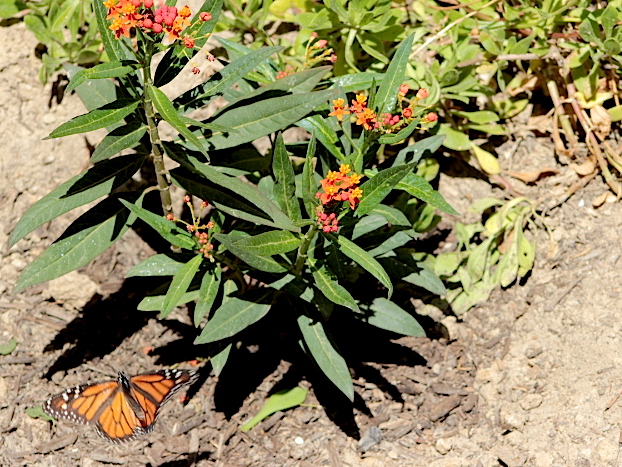
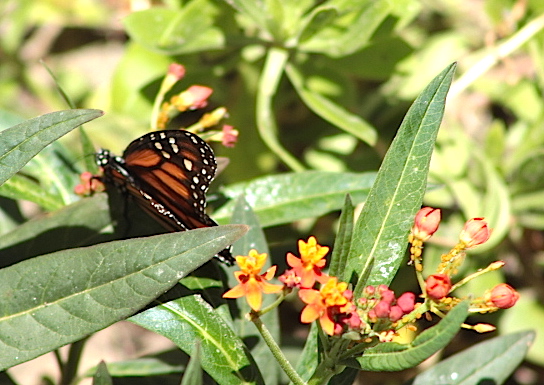
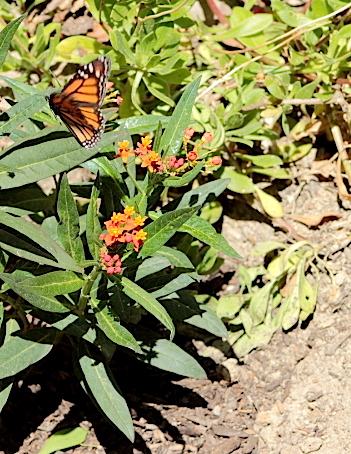
Plant Motherly Milkweed for Monarch Butterfly LOVE

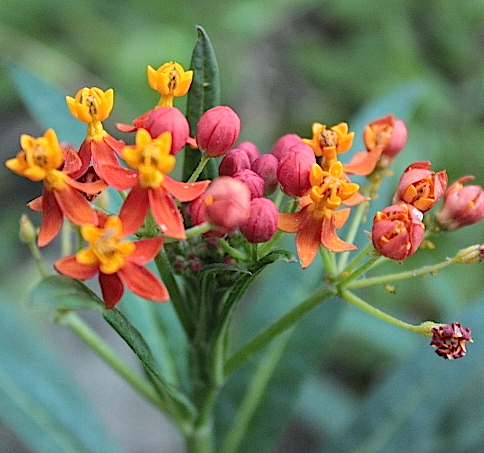
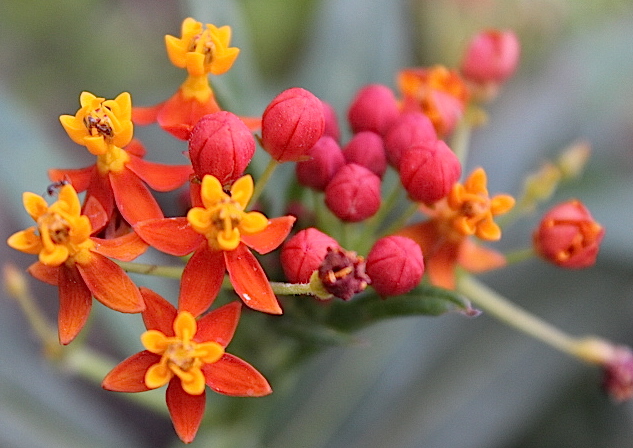
The motherly milkweed provides sustenance to the Monarch butterfly and is crucial to sustain the species.

milkweed1

Everyone who loves butterflies should plant milkweed and since NObody doesn’t love butterflies, there should be enough milkweed planted to sustain the entire cosmos.milkweed7To clarify, I’m not referring to the plural of one my fave cocktails, but the cosmos of our universe.milkweed2

According to Monarch Joint Venture…

Monarchs cannot survive without milkweed; their caterpillars only eat milkweed plants (Asclepias spp.), and monarch butterflies need milkweed to lay their eggs. With shifting land management practices, we have lost much milkweed from the landscape.

Please plant milkweed to support monarch populations, and their incredible migration!

Planting milkweed is a great way to help other pollinators too, as they provide valuable nectar resources to a diverse suite of bees and butterflies.

For a brief how-to flyer on planting and gardening, download MJV’s Gardening for Monarchs or the Wild Ones “Wild for Monarchs” brochure.

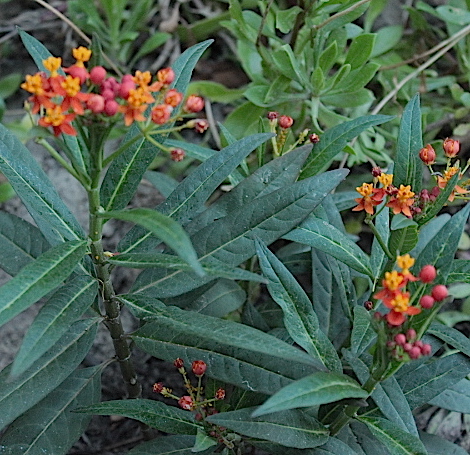
As soon as I put the plant in the ground, it became inundated with all the Monarchs in my little part of the world.milkweed6

I planted it FAR away from the vegetable garden so the hungry little caterpillars wouldn’t decide to vary their diet and eat all my veggies.

Reminder! Don’t use pesticides or herbicides. milkweed3Click here for free butterfly garden and milkweed seeds:
https://www.livemonarch.com/free-milkweed-seeds.htm
milkweed5

More information at Bring Back the Monarchs
http://monarchwatch.org/bring-back-the-monarchs/milkweed/milkweed6

Californians can help save the monarch butterfly by restoring habitats where they can thrive. Take action now: Tell lawmakers to vote “YES” on AB 559 to restore monarch butterfly habitats. http://ecovote.org/SaveTheMonarch >>

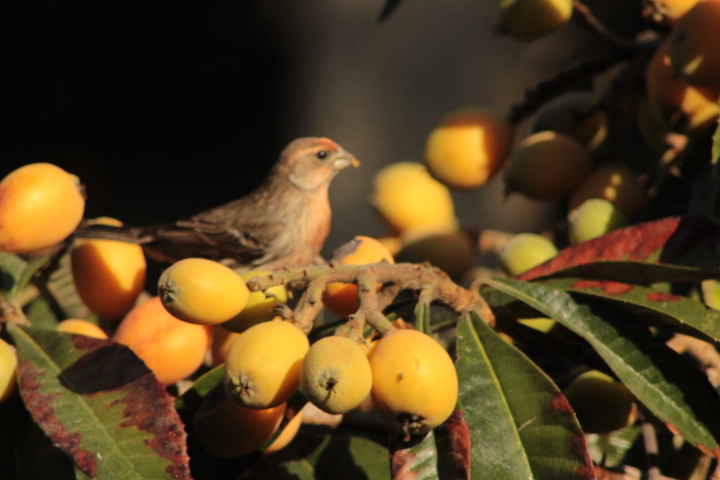
Around the Garden Photography: House Finch on Loquats

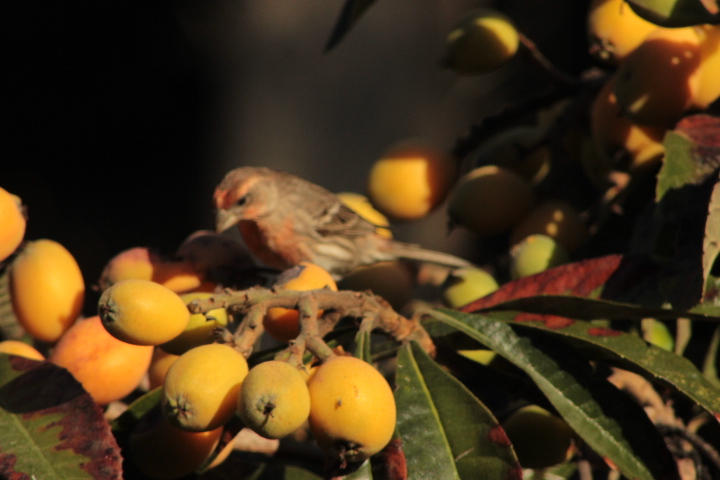
There are plenty of loquats to share and a comfortable seat to soak up the sun’s rays.

House finches love fruit. 

housefinch1

enchantedseashells.com

Such a bountiful harvest; where do I begin?

housefinch2

enchantedseashells.com

This one looks good and ripe.

housefinch3

enchantedseashells.com

How about a profile pic?

housefinch4

enchantedseashells.com

A Butterfly Grows in My Garden

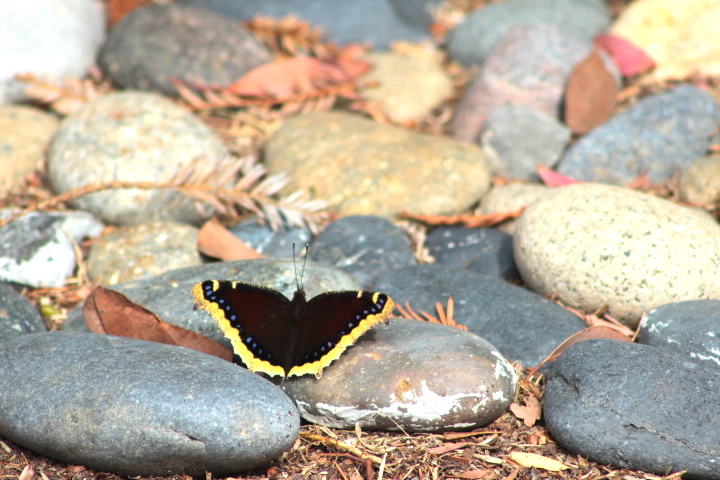
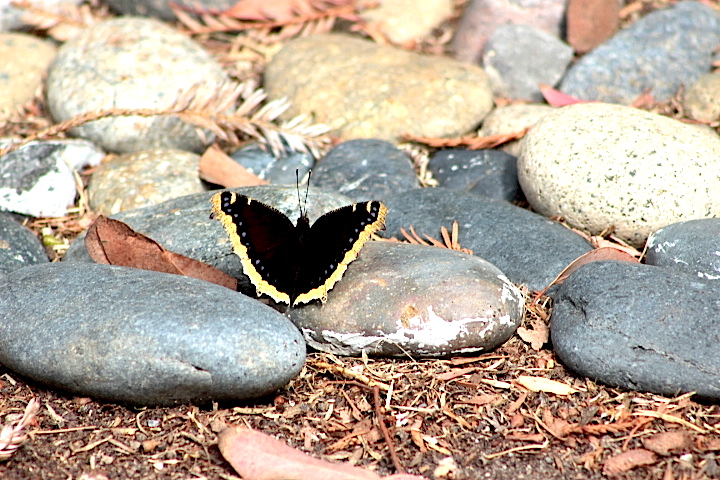
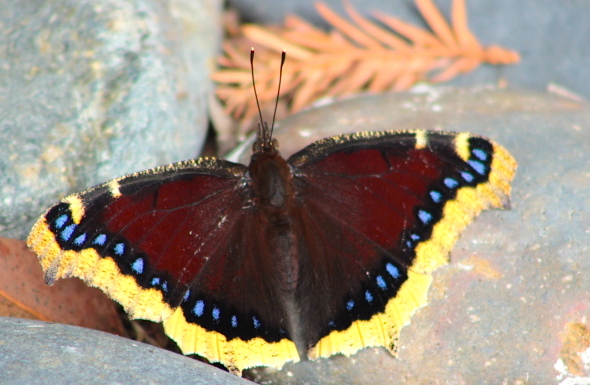
…floating effortlessly on the soft breezes, possibly to lift our spirits lowered by the demise of the baby hummingbirds, is a butterfly sprite of cerulean polka dots and bands of gold called Mourning Cloak (Nymphalis antiopa).

butterflyrock6

With a nod to Lizzi @ Considerings who asked the question on her Facebook page and got me thinking about one of my favorite books, Betty Smith’s 1943 novel, A Tree Grows in Brooklyn; here in my garden, although water use is now restricted because of the drought and we can no longer grow brightly colored but thirsty blossoms, there’s still beauty if you look for it.

Mother Nature is amazing.

Catching some rays on the rock garden.
butterflyrock1So pretty…
butterflyrock2 Can I come a little closer?butterflyrock5What grows in YOUR garden?

Empty Nest Disaster

I need to finish the last bits of my empowering road trip, but first must share sad, sad news.

When I woke up this morning, the first thing I did (as always) was to check on the baby hummingbirds.

They have grown so much and by my calculations, would be fledging the nest next week.

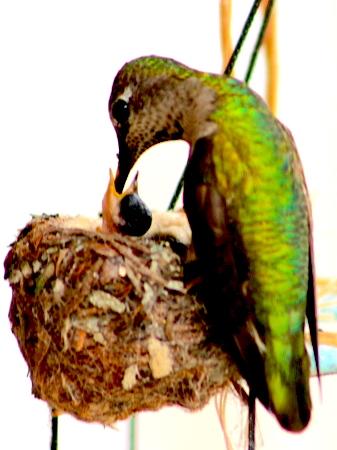
I took this picture on Sunday.

HummyMay303

When I didn’t see two little heads bobbing up and down and squirming around, I opened the back door and saw this empty nest.

Hummyemptynestjune1

The chimes upon which the nest was built was in disarray and a feeling of dread washed over me.

I knew something bad had happened, but couldn’t find any clues to suggest who or what had attacked the nest.

I had one last hope; that the two babies were in the mulberry tree that shades the deck, and were only trying out their new wings.

But then mom flew by and sat on the nest looking all around.

She was as confused as I was.

Calling out to her babies, I could feel her distress.

Over the course of the morning, she’s flown back no less than a dozen times, looking everywhere for her children, which confirms my worst fear that they were abducted by a raccoon or a crow or even a hawk.

But this story gets worse.

As I climbed on the bench to peer inside the empty nest and to snap a pic, I positioned the nest/chimes with my hand to get a better angle.

When I went back in the house to sit down and email tugboat man the tragic news, I saw tiny little creatures crawling on my hand.

I HAD BIRD MITES ON ME.

After washing my hands and arms more times than Lady Macbeth and dousing my entire upper body with rubbing alcohol, I took a boiling hot shower and scrubbed myself and my hair three times.

The mere thought of a creature in my hair and I knew my life would be OVER. Thick, long, curly hair is hard enough to deal with, but the thought of mites nesting up there provokes extreme mental anxiety.

I threw away the shirt I was wearing and washed the other clothes twice in bleach and hot water, so much bleach that they’re now completely devoid of color at this point.

Then I freaked out that the mites were going to invade the house and with gloves on, cut down the nest and chimes and put them into a sealed bag to put in the trash or somehow keep the chimes if I can sterilize them to my satisfaction.

After that, I found ant spray (the only chemicals around) and sprayed every possible surface on the deck and the eaves where the chimes/nest had been.

Bird mite infestations from nests is a real thing. There are horror stories on the internet about it.

Crap.

I wonder how long the feeling that things are crawling on me is going to last?

I’m a clean freak ANYWAY, but this is pushing me over the edge, and hub is out of cell range and not available to calm me down and/or offer his sage advice.

An empty nest is bad enough. To be violently snatched from a warm bed in the middle of the night is every mother’s nightmare.

I don’t know what to say to the hummy mom.

Even now, she’s desperately searching for her babies and there’s no way I can tell her that they’re gone forever.

Her heartache is palpable. I can FEEL her pain.

Hub and I fell in love with the whole process, from watching mom build the nest to laying the jellybean sized eggs to watching them hatch and grow.

This is not the ending I could have predicted.

Poor mom.

She’s extremely distraught; even as I’m typing this, I still hear her calling to them.

Who said animals don’t feel things?

Because of course they do.

A mother’s love has no equal.

I feel like I let down mom down, that she trusted me to help her take care of her precious kids, and I failed miserably.

One of my favorite photos…

Property of enchantedseashells.com

Property of enchantedseashells.com

Sometimes Mother Nature sucks.

June 1 SUCKS.

A Mother’s Love #WordlessWednesday

Our very own full nest.

Property of enchantedseashells.com

Property of enchantedseashells.com

#hummingbird #nature #nestingbirds #birds #MotherNature #love #motherslove