Exploring Carlsbad, Part Two: Wildlife vs Development

When we first moved here in 1985, our street was a dead end (literally).

My son and I would walk our dogs to where the pavement ended and there we abruptly entered a wonderland of nature: along narrow paths with overhanging vegetation;  sage, coyote bush, sumac — and wildlife; coyotes, bobcats, deer– even a mountain lion was spotted now and again.

In other words…heaven.

It was a sad day when the bulldozers appeared and in a matter of minutes completely raped the hills, scraping the native flora down to bare earth, uprooting mature trees, and displacing dozens, if not hundreds, of animals.

It’s unrecognizable now–if you hadn’t lived here as long as we have, you’d never know the rich beauty that once existed.

It’s regretful that the city leaders didn’t and don’t seem to care about respecting, protecting, and preserving native flora and fauna.

Instead of conserving and sustaining our unique beauty, they’ve allowed Carlsbad to become an Orange County clone — heavy on the ubiquitous business parks and subdivisions totally disconnected to the land.

They’ve mostly destroyed the unique personality and beauty of our little coastal town.

In my opinion.

Historically, Carlsbad/Agua Hedionda Lagoon was the former home to two Native American groups, the Luiseños and the Diegueños or Kumeyaay.

Did you know that Agua Hedionda means “stinking waters”?

(It does and it does.)

Although the Spaniards (and other settlers) decimated the Native American connection to this area, over the years I’ve heard about nearby sacred burial grounds that might still be intact, and that’s a good thing.

In spite of the destruction of habitat, there are still a few surviving animals attempting to coexist.

In the evening, we hear the song of the coyote, not as often as we used to, but it makes us happy. Check out this audio. So close!

I’ve seen fresh bobcat tracks, too, but no actual visual sighting.

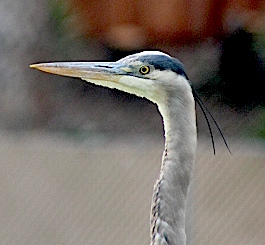
On a recent walk, I stepped out of my front door, walked across the street, and was immediately greeted by this amazing sight, a Great Blue Heron nearly as tall as me.
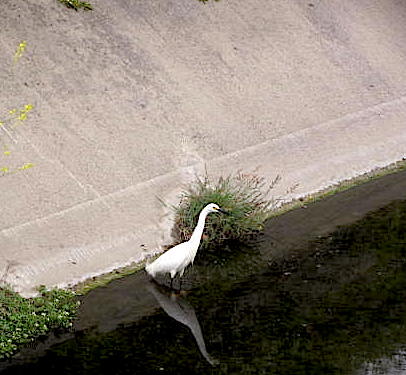
GreatBlueHeron1 greatblueheron2 After I snapped a dozen photos, I continued walking, and spotted a White Egret.egret2015It was a day for wildlife; these are not good pics for some reason, but a couple of different rabbits made an appearance.

On a front lawn.
aprilwalk5 Overlooking Agua Hedionda. aprilwalk4

I believe this is a Cooper’s Hawk; don’t think it’s a Red Tailed Hawk.CooperHawk1If I ruled the world (or at least my little part of it), I’d make sure that any planned development would respect all wildlife and make appropriate plans to not only preserve habitat, but encourage MORE animals to coexist with us.

Especially predators. We need predators. We need coyotes and bobcats and mountain lions and hawks and falcons for balance. Without them, we’re inundated with their food source; rabbits, rats, and squirrels.

Can’t we all just get along?

Read Exploring Carlsbad, Part One: Signs

Exploring Carlsbad, Part One: Signs

Exploring Carlsbad, Part One: Signs

Warning: This series won’t be your glossy Chamber of Commerce tourism fluff piece to encourage more visitors.

Instead, It’s the candid observations of someone who’s lived here for thirty years.

Join me step-by-step as I walk around neighborhoods old and new all the way to the beach and back.

I’m seeing my not-so-little town through fresh eyes.

Today’s topic is Signs and Rules.

Do this. Don’t do that.

Carlsbad is chock full of sings and rules.

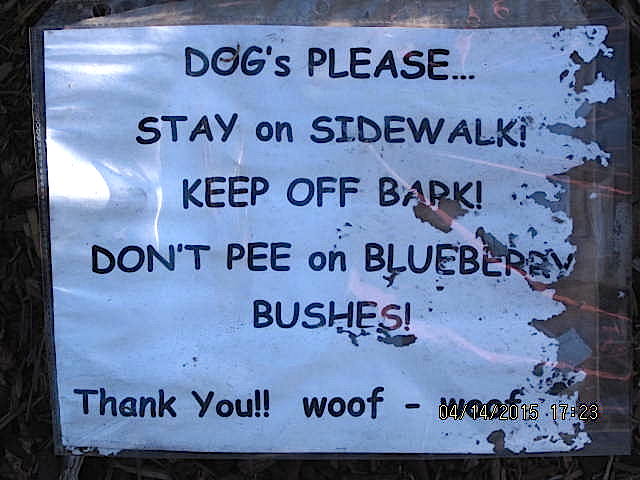
Here’s a sign with bad grammar.

And excuse me for asking the obvious, but WHY plant blueberries in a front yard on a busy corner lot where dozens of kids walk back and forth to school and in a ‘hood where almost everyone has more than one dog — when you have a HUGE backyard?

(That’s a rhetorical question.)

Next, are we going to see a misspelled manifesto to crows and blue jays about not picking and eating the ripe berries?

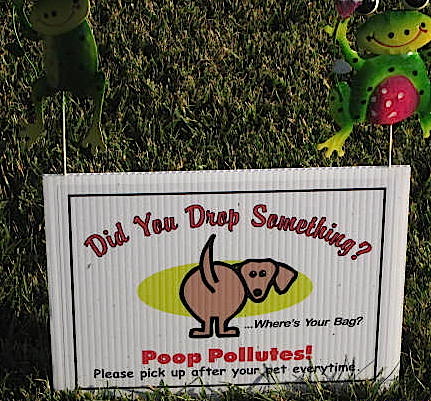
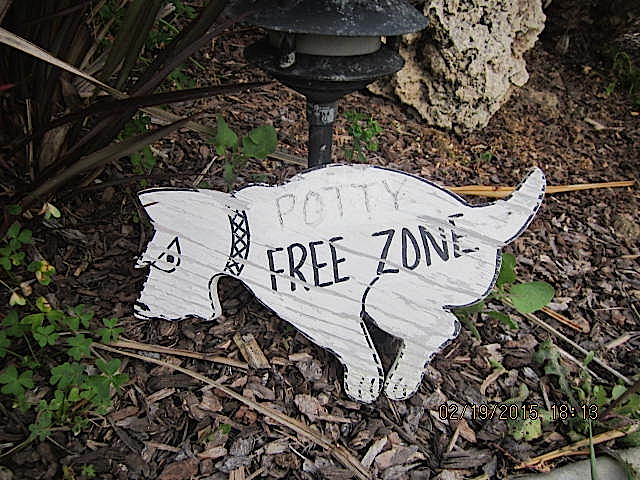
A lot of poop and dog-related signs.

Purchased or homemade…
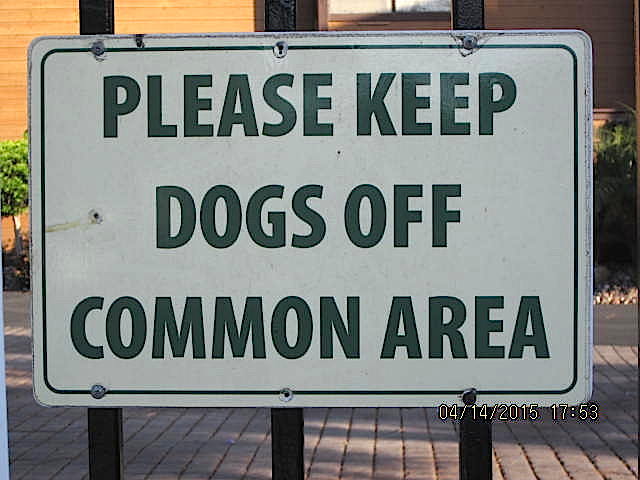
I couldn’t find the common area this sign referenced; I assume the dog owners who live in the complex have been made aware of the pet-acceptable locations.

And what happens if they disobey the rules?

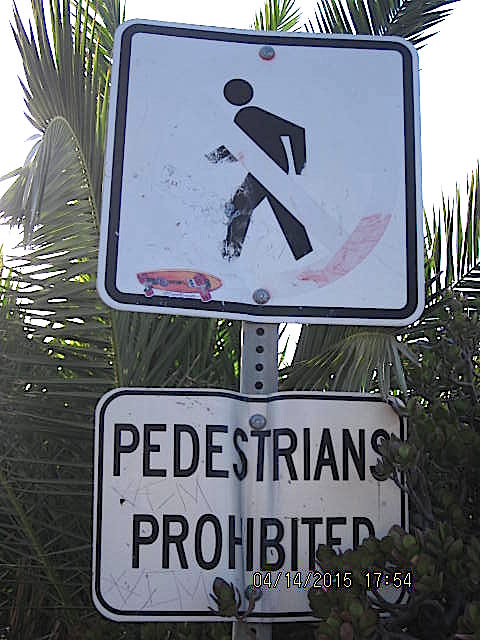
And here, humans are outlawed, while it seems as if implied consent is proffered to dogs and every other species.

I ignored the sign, ‘cos nobody tells Princess what to do.

That sign ain’t the boss of ME.

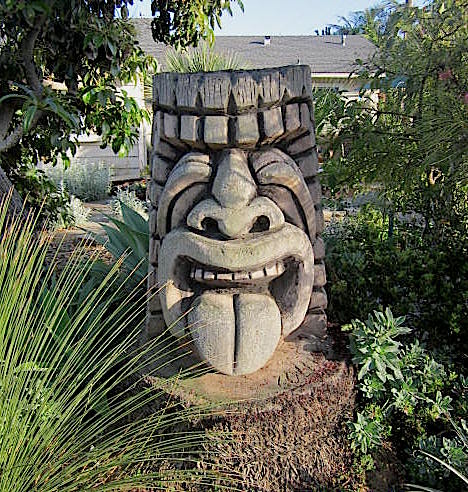
This tiki expresses exactly how I feel about being told what to do.

Or what NOT to do.

Usually I take a small backpack or cross body bag to carry essentials but leave my hands free to take photos; this time, thanks to Flipbelt sending me a sample to try, I wasn’t weighted down  — I hardly know it was there.

There’s room for my keys, phone, ID, lip balm, and a few dollars. Simply put the items in and flip the belt over.  FlipBelt is designed to carry on-the-go essentials without tying up your hands. Made of a moisture-wicking, spandex-lycra blend, FlipBelt slides right on and sits snug on your hip. No bulk. No bounce. FlipBelt is also machine washable and machine dryable.

flipbelt

It’s an ideal accessory for outdoor summer workouts, and will be great for biking and traveling, too, Flipbelt retails for $28.99, and comes in nine cool colors including black.  (I chose black so it would go with everything.)

For more information, visit www.flipbelt.com

For this review, there was no compensation; I was sent product to sample and review. The honest opinions are my own.


**And thanks to Kim who read my mind, I’m including this song about signs that all of us olds heard a zillion times:

Exploring Carlsbad, Part Two…coming soon.

The Sad Song of the Wolf

Wolf Mountain Sanctuary

Wolf Mountain Sanctuary

For as long as I can remember,  I’ve loved wolves.

This little Jewish girl from Detroit dancing around in a pink tutu and satin toe shoes harbored a secret desire to live among the wolves and become accepted as a pack member.

Crazy, right?

Crazy because the only wolves I encountered in Detroit were the hormone-addled little boys at the Jewish Community Center.

“The gaze of the wolf reached into our soul.” Barry Lopez

It wasn’t until we moved to California and I was in college that I did anything about it.

Back in the 1970s, I joined the fight to save the wolf from extinction by advocating for protection under the Endangered Species Act (ESA),

In college, I studied predators and made plans to accompany research scientists and live with wolves in Minnesota and Michigan but never fulfilled that dream because I couldn’t (obviously) bring my dog, and I didn’t want to leave her.

Another dream unfulfilled. Oh, well.

Wolf print Yellowstone

Wolf print, Yellowstone

I was lucky to finally get to Yellowstone National Park  and see IRL several of the wolves who make up the Lamar Valley pack, but we never heard the song of the wolf, probably because we camped right on Slough Creek and the water, while beautiful, drowned out most animal sounds.

I’m still involved in the never-ending fight to save, defend, and protect this magnificent animal; read about my experiences in Sacramento when I testified at the  Fish and Wildlife Service‘s wolf delisting hearing: Saving Wolves.

From my testimony:  “At 6:00 a.m., a few miles outside our camp at Slough Creek, we followed others to a bison carcass, and our efforts paid off with a multiple sighting of many wolves, including 755. There was an overwhelming sense of awe among the dozens of us who silently watched him cross the road and then a collective sigh of relief when he disappeared safely over the ridge.

Last weekend, we took a drive to the Mojave Desert town of Lucerne to spend a few hours at Wolf Mountain Sanctuary, a 501c3 nonprofit organization founded in 1976 by Tonya Littlewolf.

Eleven wolves call this sanctuary home, and while I finally heard the haunting song of the wolf, the whole experience could only be described as sad.

Wolf Mountain Sanctuary

Wolf Mountain Sanctuary

Why sad?

Sad because these magnificent creatures NEED to be rescued.

Sad that humans think they have the right to try and make pets out of these wild animals. (Not gonna work.)

Sad that the wolves can’t roam free, sad they’re hunted, tortured, hated, vilified.

Wolves are among the most intelligent species.

HOW DARE WE DESTROY THEM.
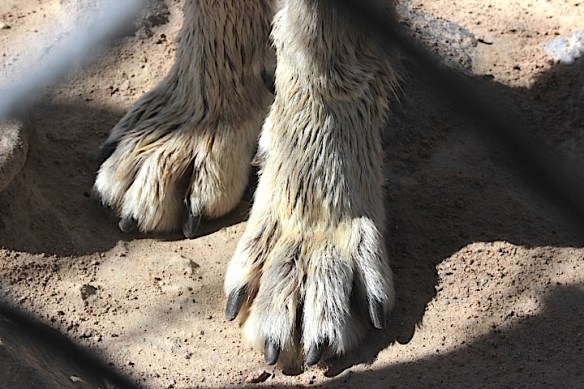
wolfpaw

Wolf Mountain Sanctuary

So yes. Sad. Very sad.

From Wolf Mountain Sanctuary website…all volunteer educational organization dedicated to the preservation, protection, and proper management of wolves in the wild and in captivity. We are a forever home for all of the wolves we rescue. We rescue wolves from the movie industry, private owners, and from breeders.  The impression a 180 pound wolf leaves on you is everlasting. To look into their knowing, wise, amber colored eyes is a moving, spiritual experience. When you look into the eyes of a wolf, you see your soul…

“We have doomed the Wolf not for what it is, but for what we have deliberately and mistakenly perceived it to be..the mythologized epitome of a savage, ruthless killer..which is, in reality no more than a reflexed images of ourself.” Farley Mowat

wolf10

Wolf Mountain Sanctuary

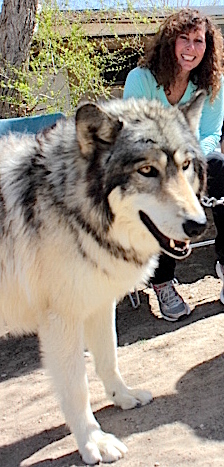
Denali (Deh-Nah-Lee) (“Great One” or “Highest Mountain”) was one of two pups born in the wilds of Alaska. He was rescued from the wolf-killing that was taking place in that state, both by private citizens and government agencies.

He’s a beautiful wolf with a golden sand coat.  Denali’s personality is very sweet, curious, and friendly.

The wolves at Wolf Mountain Sanctuary seem to be well cared for and healthy.

When I met this handsome guy, Holan, he immediately jumped up, put his front paws on my shoulders, and licked my face. See my joy? This is the smile of someone who loves wolves.

wolf mountain sanctuary

Wolf Mountain Sanctuary

wolf9

Wolf Mountain Sanctuary

“The wolf is neither man’s competitor nor his enemy. He is a fellow creature with whom the earth must be shared.” L. David Mech

Look at him. The eyes. Amazing.

wolf8

Wolf Mountain Sanctuary

Sniffing around where we had been seated.
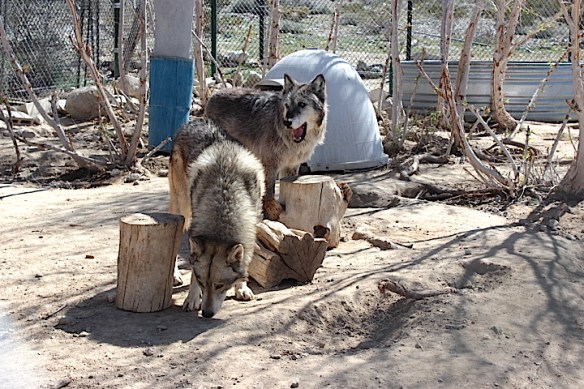
wolf7

Wolf Mountain Sanctuary

“Throughout the centuries we have projected on to the wolf the qualities we most despise and fear in ourselves.” Barry Lopez

Wolf Mountain Sanctuary

Wolf Mountain Sanctuary

“Inescapably, the realization was being borne in upon my preconditioned mind that the centuries-old and univerally accepted human concept of wolf character was a palpable lie. On three separate occasions in less than a week I had been completely at the mercy of these “savage killers”; but far from attempting to tear me limb from limb, they had displayed a restraint verging on contempt, even when I invaded their home and appeared to be posing a direct threat to the young pups.” Farley Mowat, Never Cry Wolf

wolf6

Wolf Mountain Sanctuary

Awesome Wolf Howling Compilation
http://youtu.be/op7fRsvWowA

A Man Among Wolves
http://youtu.be/j4vFBXOoHs0
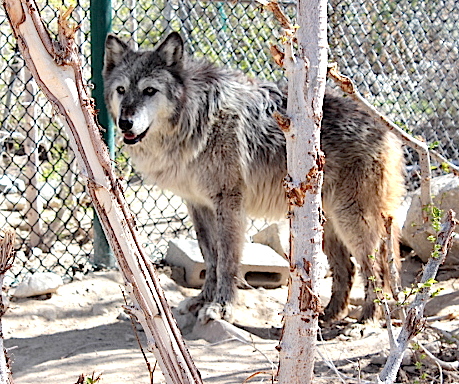
wolf5

Wolf Mountain Sanctuary


From Wolf Mountain Sanctuary website:

WHY SAVE THE WOLF? Look at them: they are so noble, so beautiful.  The wolf, as well as other endangered species, are ecological indicators.  It is by studying these species and learning how to preserve them that we learn the main factors affecting our environment.

Perhaps in so doing, we will learn undiscovered ways to benefit mankind!

Unfortunately, there are those who deny the wolf’s place in the ecosystem.  Wolves are gunned down from airplanes and snowmobiles (which some consider “sport”).  Sometimes the fur is taken; however, more often than not, the animal is simply left to decay.

The wolf is poisoned “en masse,” trapped by leg-hold traps, used as adornments for the idle rich.

Today, the wolf’s range is limited to Alaska, Canada, the upper Midwest, and in Yellowstone National Park.  Some of the YNP wolves have traveled into adjoining states, which allow hunters to kill wolves on sight and for little to no reason.  In the 1930’s, there were approximately 50,000 wolves roaming the North American continent.  By the 1940’s, that number had been decreased to 1,000.  Today, mostly because of conservation efforts, there are approximately 3,000 wild wolves on the entire continent.  They have made a small comeback, but because of the recent delisted from the Endangered Species Act, wolves are once again under attack.

Wolf lovers need to band together and do all we can to help them.  TIME IS RUNNING OUT!

​Only you can save the wolf from extinction.  Proper management procedures must be put into action.

Won’t you join us in the wolf’s campaign? Please help the wolves any way you can:  sign all petitions you can to stop the wholesale slaughter of wolves and donate to organizations focused on protecting the wolf!


And here’s something else we can do NOW.

whitehousewolf

It’s important to help out those wonderful humans who devote their lives to protecting wolves like Wolf Mountain Sanctuary and Dearborn Wolf Sanctuary.
High Desert and Big Rocks

I’m back from Wolf Mountain Sanctuary in the Mojave Desert.

I’ll post about our experience at the sanctuary, but it was mostly sad. Sad that these magnificent creatures NEED to be rescued. Sad that they can’t roam free, sad they’re hunted, tortured, hated. They are among the most intelligent and evolved species. How dare we destroy them. Sad. Very sad.
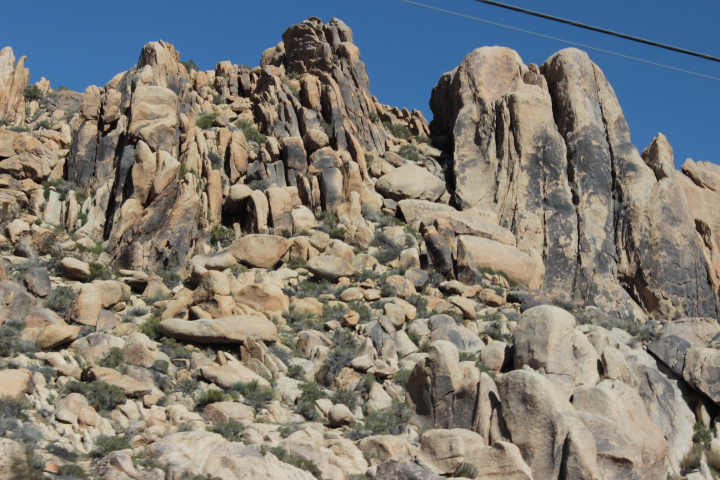
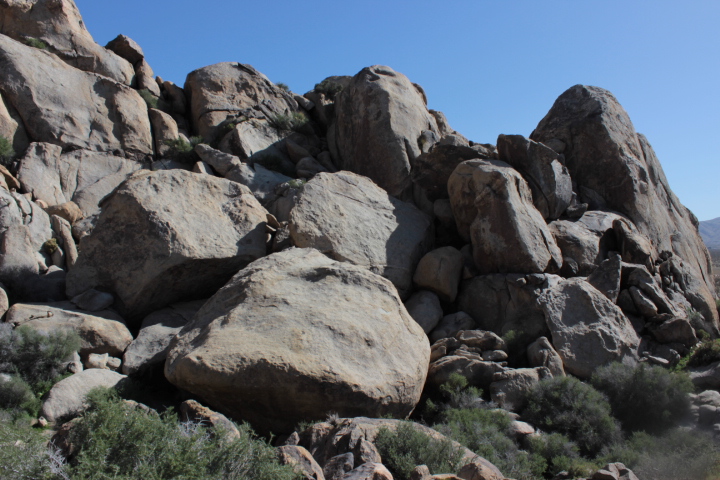
Check out this  amazing outcropping of rocks.
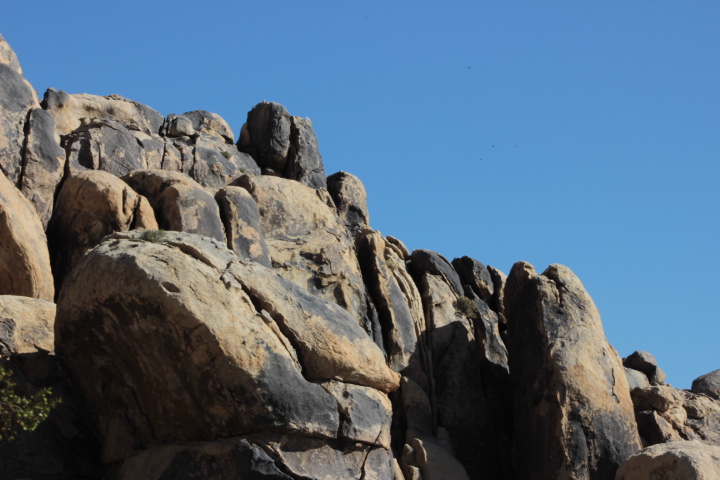
mohave1 mohave2 The Mojave Desert is also known as the High Desert because of its elevation, between 2,000 and 4,000 feet above sea level.  mohave3 Blue sky and rocks.mohave4 Ick.mohave5 mohave6 mohave7 LOVE this pic.mohave8 Rock climber Not me.mohave9 mohave10 mohave11#highdesert #mojave #desert #wolves #hiking

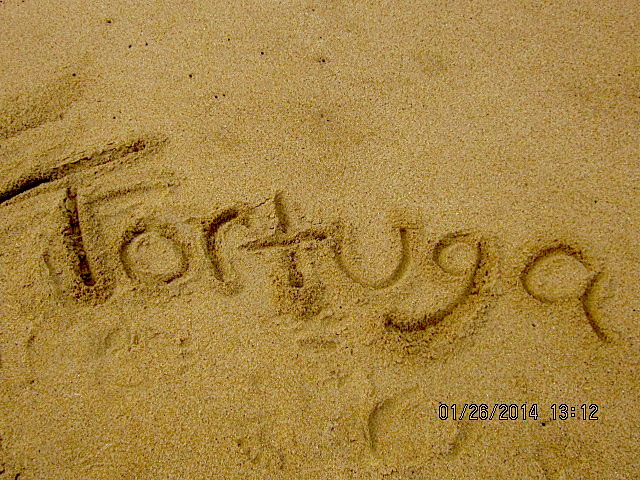
Sea Turtle Conservation Near Todos Santos, Mexico

This was a fun and very educational excursion.

Sea Turtle Sanctuary Tortugueros Las Playitas A.C.
Environmental Conservation with Sea Turtle Focus

From their website:
“Our mission is to protect, conserve and replenish the fragile marine eco-systems of Baja California Sur, Mexico. In addition to our Sea Turtle population recovery program we place special interest on Habitat Protection, Environmental Education and Community Outreach in Todos Santos, Las Playitas and Agua Blanca.  

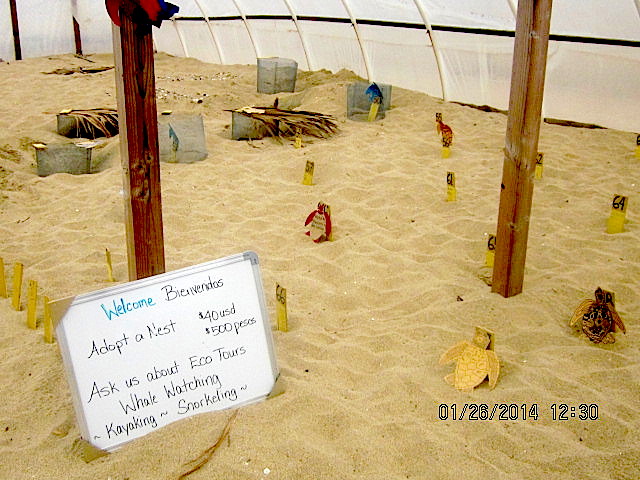
One of our goals is help restore the Critically Endangered Pacific Leatherback population which is on the verge of extinction. Our Incubation Greenhouse stabilizes sand temperatures creating an ideal nest habitat, where hatch rates are maximized and gender ratios are balanced. We invite you to join us as a volunteer, event participant or sponsor and help balance the fragile marine eco systems of Baja.”

tortuga1There was a graduate student from Kansas collecting data with another scientist. They were very gracious and invited us inside for a private tour.

tortuga4

tortuga3

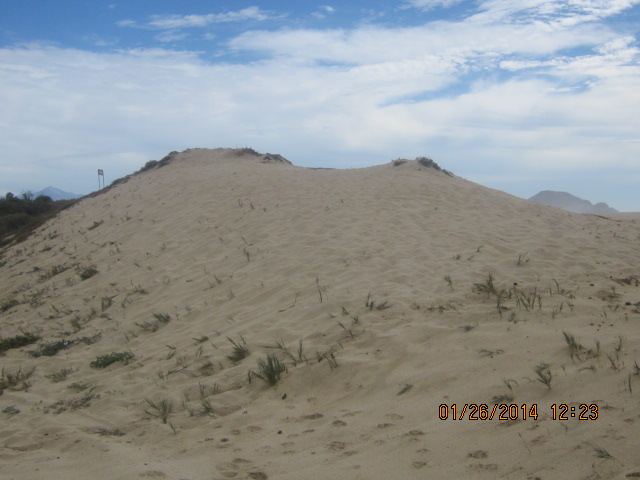
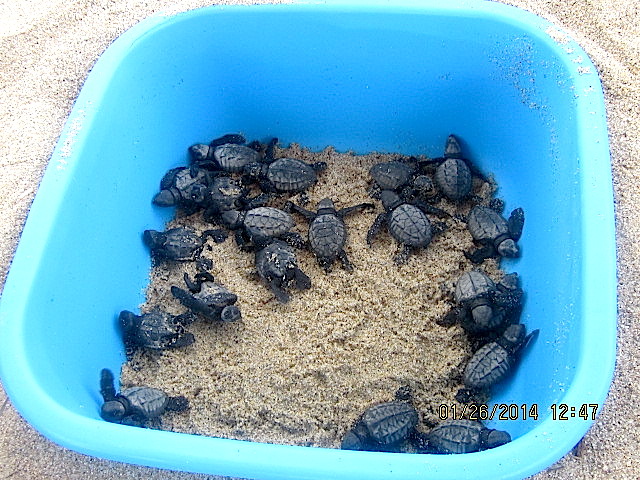
All the darling little turtle eggs were covered in palm fronds. It was as hot as a Bikram yoga class in the plastic covered hut.tortuga5 Babies!tortuga6Squeeeeee! More babies!tortuga7 We weren’t able to stay until sundown to observe their release and watch them march toward their destiny.tortuga8 Hopefully, they all made it safely down to the sea and out in the world for long and happy lives.tortuga9 And then back we walked. Not one single seashell. NOT ONE.tortuga10

How to get there:

turtlesmap

Living in the Shadows in Sunny Shiny Southern California

There’s another side of California that you might not know about.

Sandwiched between the manicured lawns of upper middle-class residential subdivisions in SoCal, there’s a microcosm of humanity living in the shadows — migrant laborers from Mexico in makeshift camps.

In my own neighborhood, just minutes from the beach and overlooking chaparral-studded canyons, hidden behind purple sage and giant coyote bushes, we recently went for a hike and found evidence that suggests there are still active encampments.

Mostly these men are invisible, ignored by us as we speed up and down our streets, shopping, caring for our families, and only sometimes do we notice these shadow people standing on the roadside waiting to be picked up for day work or at the local liquor store buying twelve packs of beer and money orders.

Like the crows that fly in and out of our trees in a raucous cacophony, there’s an exodus out of the canyons at dawn and back at sunset.

Whatever side of the undocumented worker discussion you’re on, it’s a  blight on our supposedly civilized society that in 2015, in this country of overabundance and excess, men and women live in the bushes without benefit of safe shelter or even running water.

When you scratch off the thin veneer of Pilates classes, weekly mani-pedis and facials, that fifty dollar bottle of pinot noir, and glance beyond Anthropologie and Sur la Table, in the hills behind The Forum, and probably most of the other open spaces that are clinging to life —  that’s where you’ll find them.

It doesn’t seem quite fair for us to have so much while others are living in squalid conditions.

It’s sad, don’t you agree?

kellytrail3

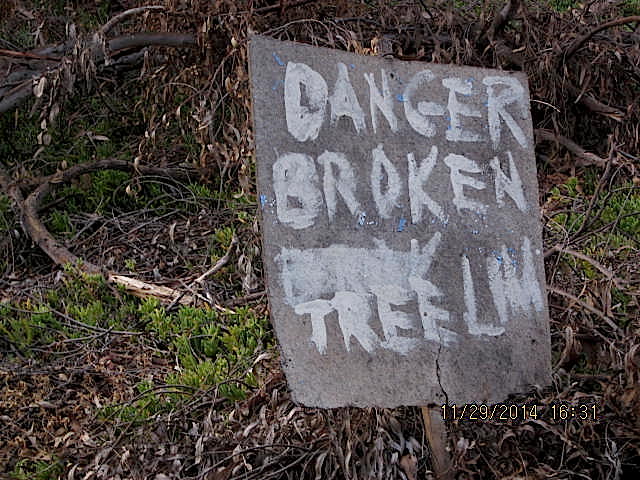
We especially liked the misspelling. There’s a certain poignancy.

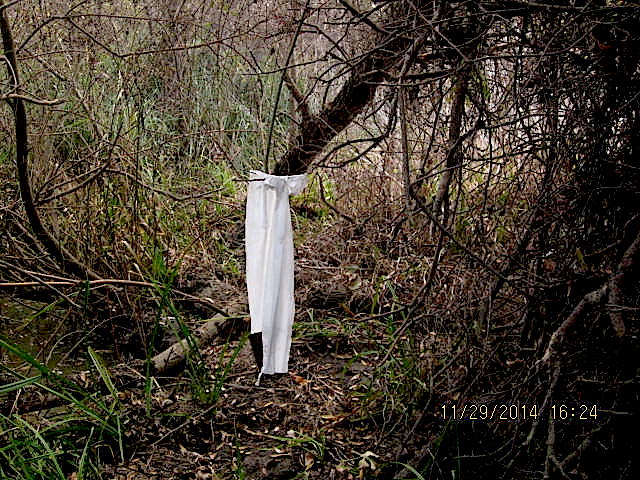
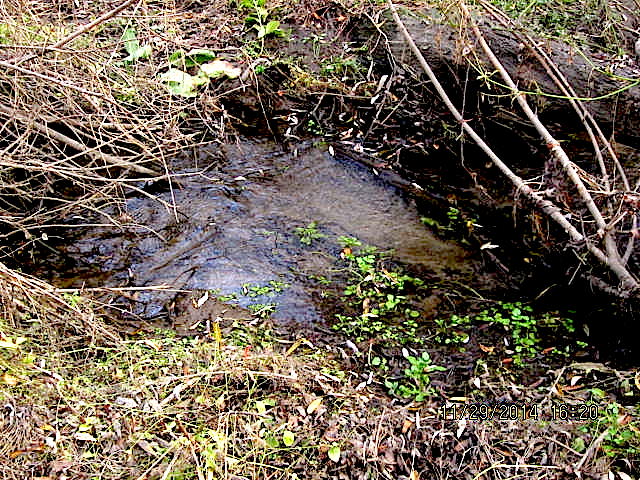
There were several white rags hanging from trees along a certain path; we assumed it was to mark the way when it was dark.kellytrail2I think this is a creek, or it could be runoff from all of the developments.
Kellytrail Hard to see the turkey vulture among the clouds.
kellytrail4Do you know who and what lives beneath the surface in your neighborhood?


Snow…Snow…SNOW! In Southern California!

Reflective
like the nacre of a million
perfectly pristine pearls
A confection of frosted pines
                                                           (by Princess Rosebud)


SNOW

It might not be a big deal to a lot of you who experience snow every winter, but snow falling to around one thousand feet in the foothills of our valleys and mountains is a big deal for this Southern California girl!

An arctic storm brought a lot of snow down to almost record breaking levels; of course I needed to end 2014 with a snowball fight. The snow was amazingly light and fluffy.

A winter wonderland  and only about twenty minutes away!

Nature Versus Destruction

But really a post about the desert.

“We pretended that we were the only humans on earth, trekking across an eerie but strangely exciting landscape. It was silent except for an occasional far off bird or the buzzing of a fly. We ate quietly, not speaking, not needing chatter to fill up the silence, until the lack of sound completely settled in around us and we could feel the warm earth beneath our legs anchoring us to this special place.” December 7, 2014

17 Palms Oasis: Hiking with Princess Rosebud and Her Tugboat Man in the Anza-Borrego State Park.

We’ve learned so much from my son.

I may have taught him to discover the world through books, but he returned the lesson by opening our world through boots.

As in hiking, walking, exploring the beauty of land and nature.

About ten years ago, he gave us the best gift ever, Jerry Schad’s Afoot & Afield in San Diego County. We’ve been avid hikers and campers ever since. Sadly, Jerry died in 2011, but his spirit lives on in his every step that we follow and in his love for the backcountry.

A favorite destination for solitude is Anza-Borrego State Park.

Right now as i’m home, typing in the family room with the patio doors wide open, I don’t hear a single bird, not like we did not so long ago. My bird houses lay fallow; unused, no chirping of hungry babies.

Empty nests.

What I do hear, however, is disquietude — the relentless sound of heavy earth movers raping more land in my town, leveling a previously beautiful little hillside, killing all the native plants and displacing the rabbits, coyotes, raccoons, bobcats. Do we really need 1200 more homes? Can we really afford more water and energy consumption, more negative impact on our already overpopulated coastal town?

Here’s our view from the deck, taken with my long lens, beyond Santa and his reindeer.SANTABACKHOE

We fought for years against this egregious overbuilding; this time we lost.

There’s not enough open space; our sojourns to the mountains or the desert are even more precious and as necessary to our personal survival as water and air.

This time we chose to explore 17 Palms Oasis.

Tip #1: It would be a good idea to have a four-wheel drive to get there.

We don’t, but tugboat man’s truck is pretty sturdy so we did OK, but keep in mind there are some really sandy spots.

Tip #2: Carry a shovel just in case, and of course lots of water, even in winter.

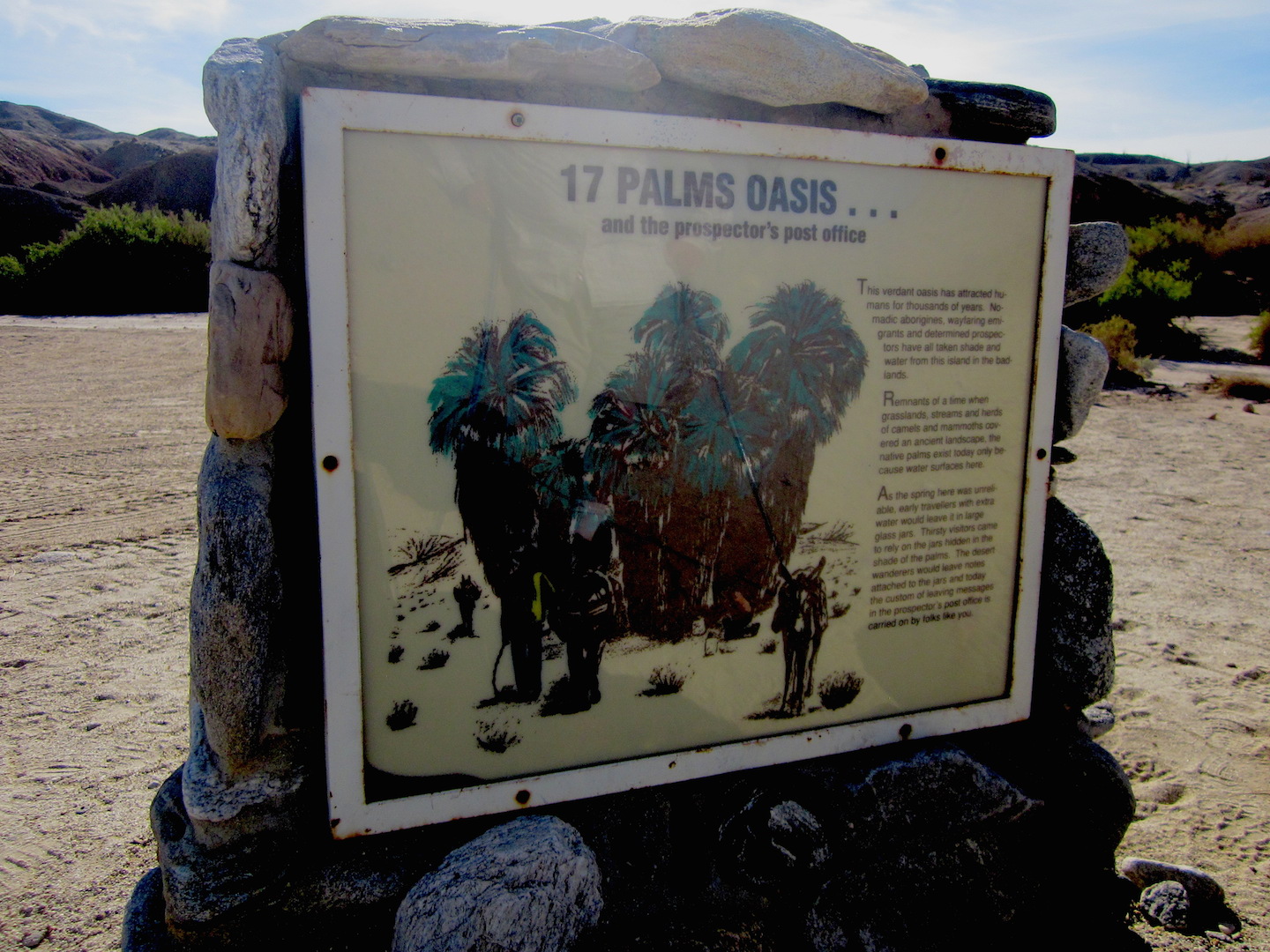
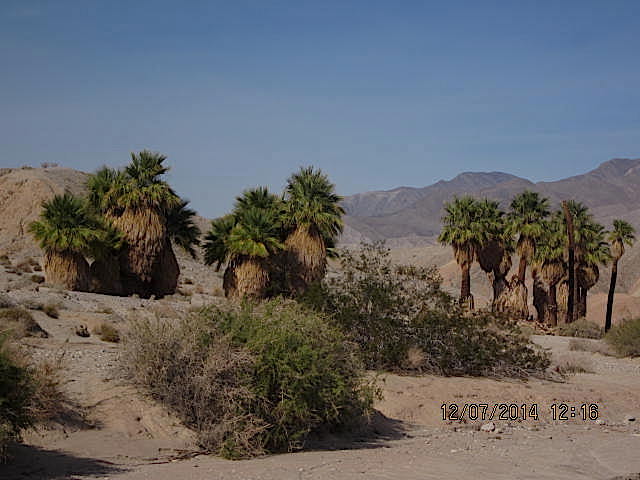
17 Palms Oasis, 5 Palms Oasis and Una Palma. 

These areas are well-known watering holes for the regional wildlife of the Borrego Badlands. The palms at both Oases are often green and brilliant compared to the stark and barren desert that surrounds them.

They’ve attracted humans for thousands of years.

Nomadic aborigines, wayfaring emigrants, and determined prospectors have all taken shade and water from these islands in the badlands.

Remnants of a time when grasslands, streams, and herds of camels and mammoths covered an ancient landscape, the native palms exist today only because water surfaces here.

As the spring here was unreliable, early travelers with extra water would leave it in large glass jars. Thirsty visitors came to rely on the jars hidden in the shade of the palms. The desert wanderers would leave notes attached to the jars. Today the custom of leaving messages in the prospector’s post office is carried on by visitors. In the post office barrel hidden in the 17 Palms, among the palm tree bases, lies a visitor’s log book, notes and of course, bottles of water!

The 17 Palms area is located off of the S-22. Take the Arroyo Salado Primitive Campground turnoff, travel approx. 3.6 miles on Arroyo Salado Wash to the Seventeen Palms Turnoff which puts you on Tule Wash (you will see a small sign with arrow heading West (right) and travel another 0.2 miles to the 17 Palms parking area. To visit the 5 Palms Oasis continue past Seventeen Palms on Tule Wash to arrived at the Parking area for 5 Palms. Una Palma can be reached by walking over the ridges of the 17 and 5 Palms locations. Or you can go right on Cut Across Trail to arrive at the Una Palma Location.

17palmssign

I think I counted all seventeen palms, but couldn’t locate the oasis ‘cos of our drought.

17palmspalms2 It’s pretty spectacular to see palm trees in the middle of the desert badlands.17palmspalms

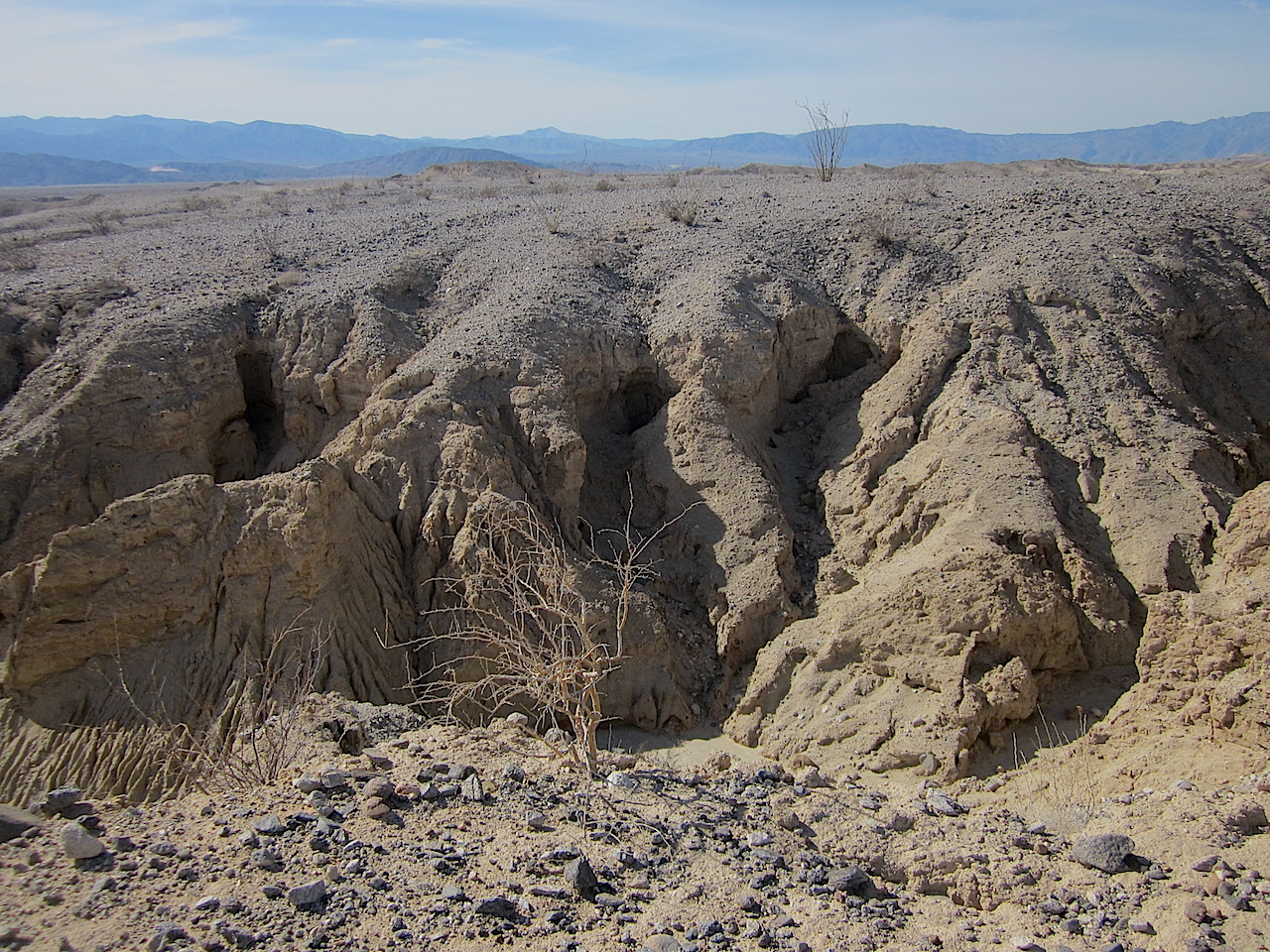
Lots of mud as this was once a seafloor. Weird rocks, randomly placed.

17palmsrocks

Exactly how this rock was stuck in the mud!
17palmsrickmud

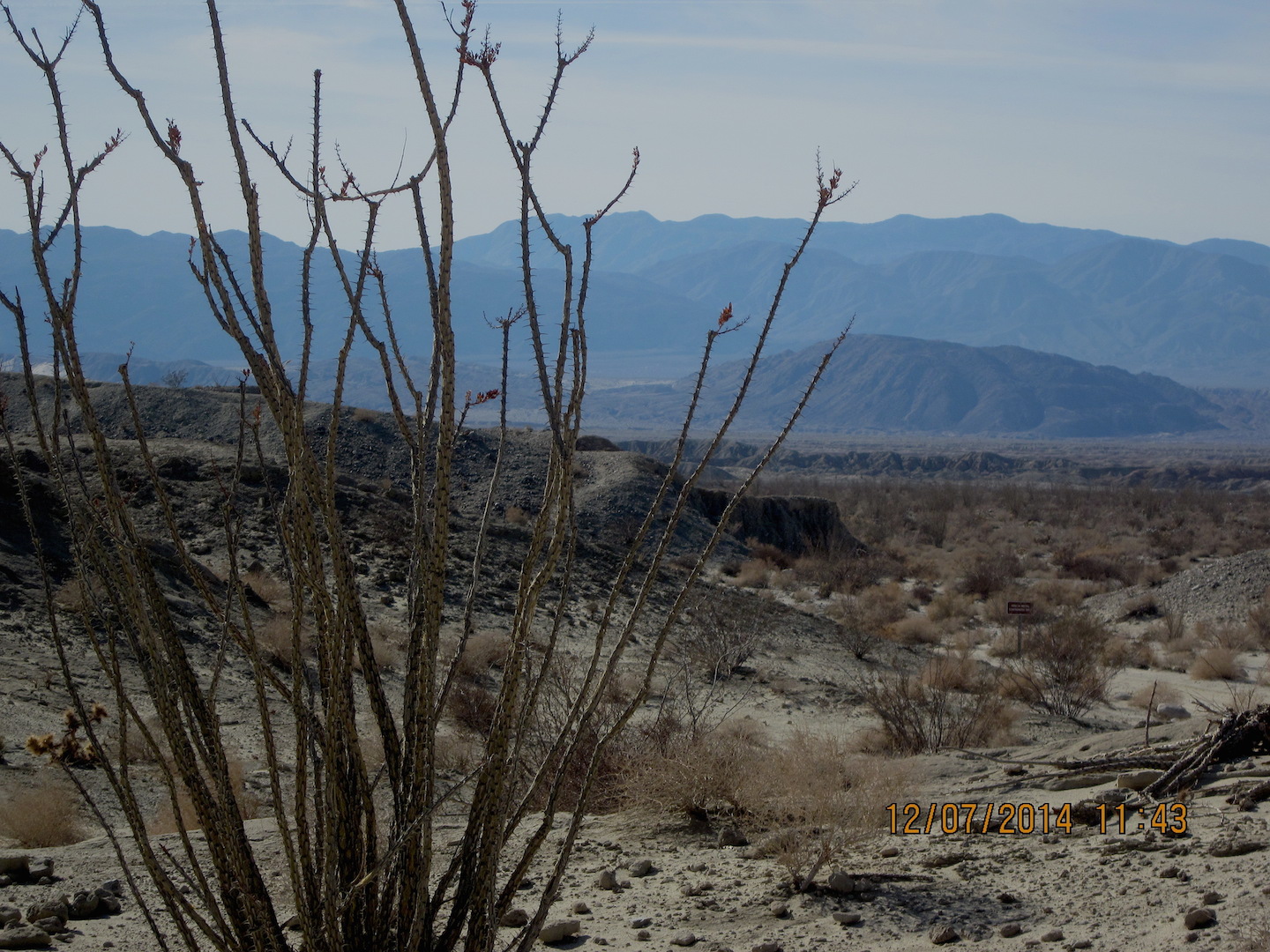
Ocotillo.

17palmsocotilo 17palmsocotillo2 Mud.17palmsmud1 Una Palma.

17palmsunapalma

Narrow wash.

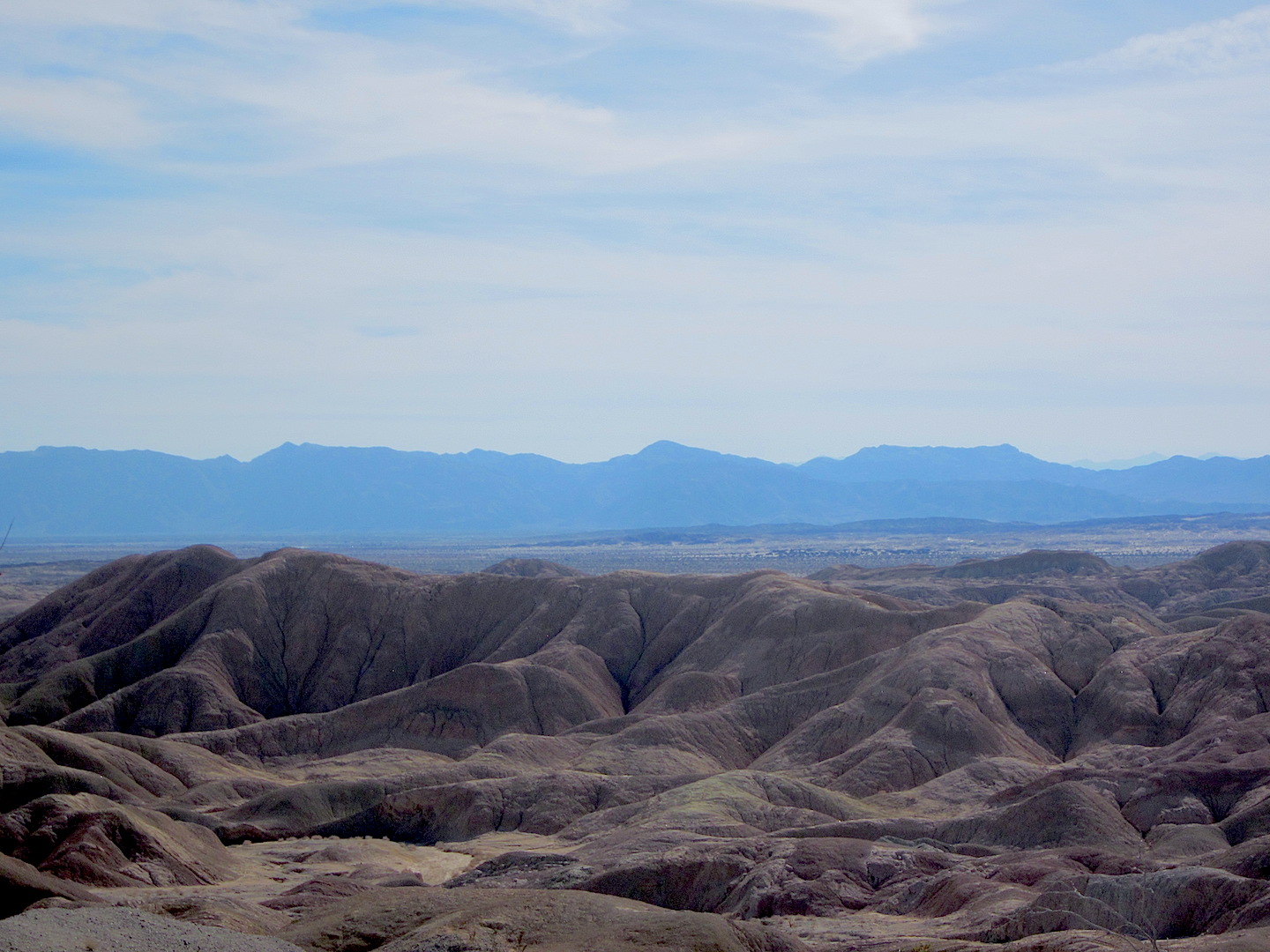
17palmsmudThe beautiful but stark and naked badlands. Our view as we stopped for lunch.17palmsbadlands2We set off cross country as there’s no real trail. We pretended that we were the only humans on earth, trekking across an eerie but strangely exciting landscape.

It was silent except for an occasional far off bird or the buzzing of a fly. We ate quietly, not speaking, not needing chatter to fill up the silence, until the lack of sound completely settled in around us and we could feel the warm earth beneath our legs anchoring us to this special place.17palmsbadlandsIt was warm, almost too hot at eighty degrees. Being out here in the summer at more than a hundred degrees with no shade would be an extreme hardship.17palmsbadlands3Ahhh…a refreshing cup of ginger tea at the end of a dusty hike. Good times!

Driving home as the sun sets. 17palms

Take time to actively experience nature. Walk, hike, breathe in all of the beauty of the wild. It’s healing and restorative.

San Francisco: “The Best Things in Museums are the Windows”

exploratorium2A warning up front so you know what to expect.

This is a not-so-humble-brag/proud Mommy-moment…

Presenting a publication by The Exploratorium with a contribution by my son, Professor Angel Boy.

If you’re in the San Francisco Bay area or planning a trip to NorCal, this is a must-see museum.

It’s one-of-a-kind — interactive, creative, experiential, and encourages open-mind learning and exploration.

The Exploratorium is located at Pier 15, Embarcadero at Green Street.


 The Exploratorium is an eye-opening, playful place—in San Francisco and online—to explore how the world works. For 40-plus years, we’ve offered creative, thought-provoking exhibits, experiences, tools, and projects that ignite curiosity, encourage exploration, and lead to profound learning.”

exploratorium1Where does the museum end and the outside world begin?

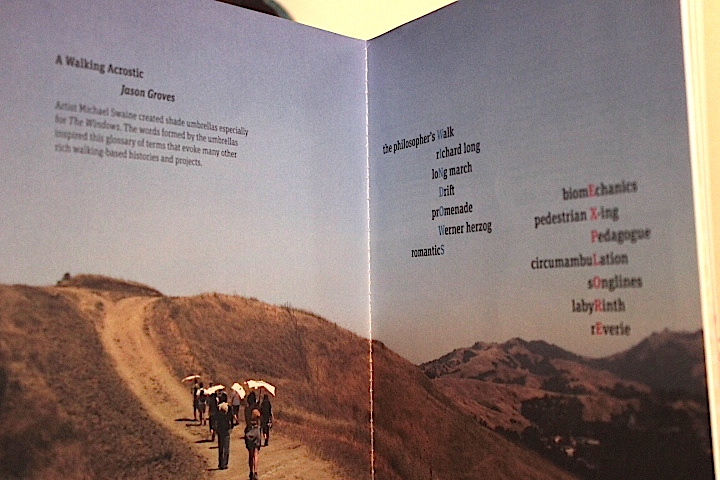
“…Exploratorium Artist-in-Residence Harrell Fletcher joined a core walking group of Exploratorium staff artists and scientists—plus the public—for The Best Things in Museums Are the Windows, a four-day trek from the Exploratorium’s Pier 15 home across the Bay to the summit of Mount Diablo. The adventurous project created a dynamic framework for discovery as it moved across water, city, suburb, and country, building on the multidimensional perspectives of the participants.

The Windows reflects Fletcher’s interest in artful investigation, community collaboration, experiential learning, and decentralized authorship. By extending the museum’s curiosity-based learning into the surrounding landscape, the trek aimed to transform the everyday world around us into an open classroom while working toward a greater integration of a cultural institution within its surrounding community.”

My son was invited to participate in the walk and is a contributor to the book.

And of course this is just another one of my obnoxiously proud Mommy moments where I can publicly boast about his accomplishments.

Seriously though, if you live in the Bay area and haven’t been to the Exploratorium in a while or EVER, do yourself a favor and go. They’ve put a lot of passion and effort into creating a real zone of imagination and exploration.

And we need more of all of that, especially now.

Less violence, less cruelty, more heart and soul and mind — more inventiveness and flights of fancy.

And sparkle. We always need more sparkle. Can’t EVER have too much sparkle!

Hike to Glen Canyon Park in San Francisco

A few weeks ago I visited Professor Angel Boy and DIL in SF. While DIL was at work, my son and I walked to Glen Canyon Park (or Glen Park Canyon) from their home.

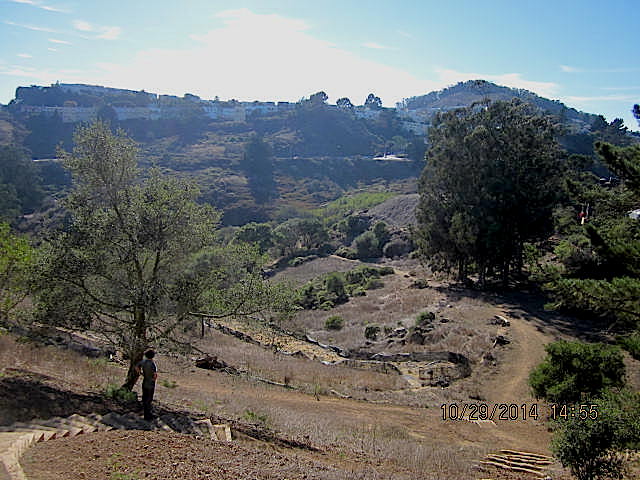
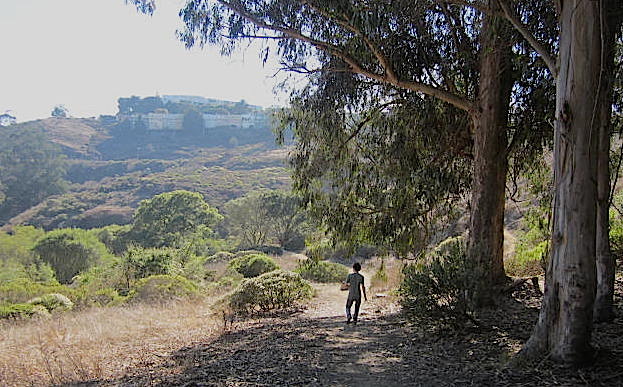
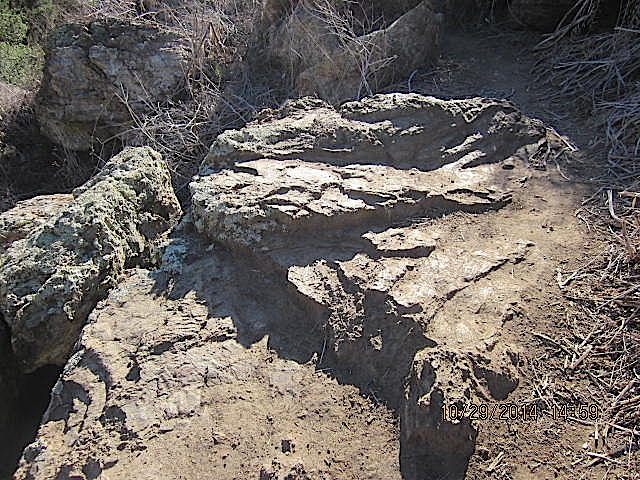
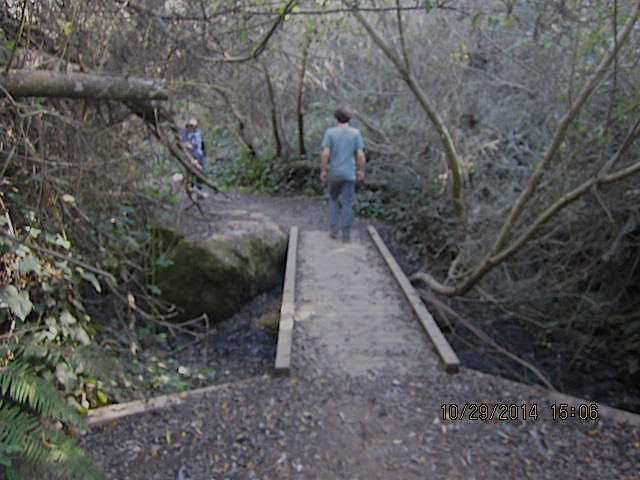
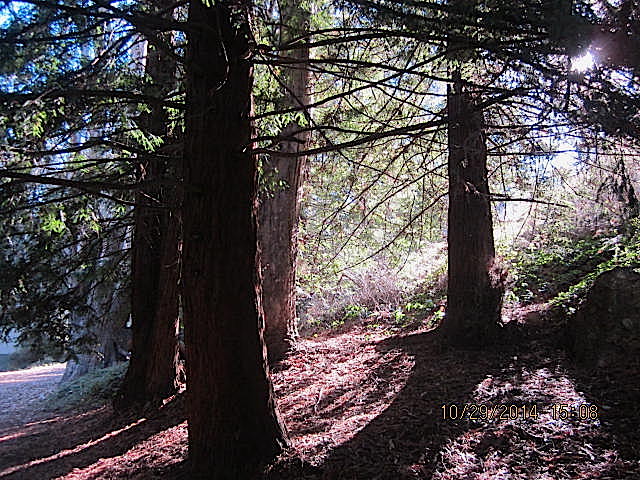
Who knew this deep pocket of wilderness is steps away from high density living in the middle of the city?

Everything is either UP or DOWN. It was quite a strenuous workout, especially since I had to keep up with my six-foot-plus son.

We were looking for the coyotes that live in the canyon. My son saw one recently on a previous visit and we hoped to see him or her again, but we had no luck.

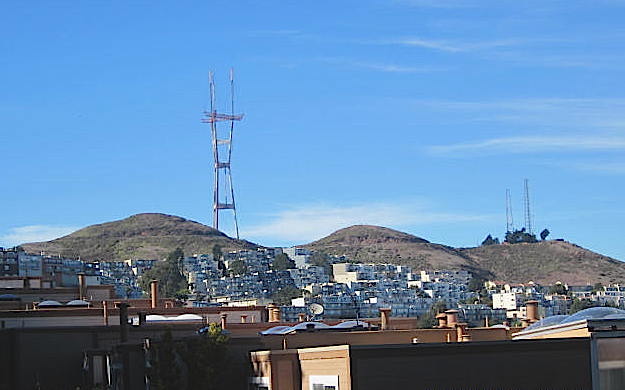
glencanyon18Lots of raspberries.glencanyon1 glencanyon2 glencanyon3 Twin Peaks.glencanyon4Angel Boy is always lightyears ahead of me.
glencanyon5 glencanyon6 glencanyon7 glencanyon8 glencanyon9 glencanyon19glencanyon10glencanyon17

glencanyon11 glencanyon12 glencanyon13The free flowing Islais Creek.glencanyon20Islais Creekglencanyon14 It was a little hazy in the afternoon. I hadn’t traveled with my good Canon — pics were taken with Canon point and shoot. glencanyon15 Finally, he turned around. You can tell he’s saying, “Hurry up, Mom, and stop taking so many pictures!”glencanyon16According to Wiki: The park and hollow offer an experience of San Francisco’s diverse terrains as they appeared before the intense development of the region in the late 19th and the 20th centuries. The park incorporates free-flowing Islais Creek and the associated riparian habitat, an extensive grassland with adjoining trees that supports breeding pairs of red-tailed hawks and great horned owls, striking rock outcrops, and arid patches covered by “coastal scrub” plant communities. In all, about 63 acres (25 ha) of the park and hollow are designated as undeveloped Natural Area. Elevations in Glen Canyon Park range from approximately 225 feet (69 m) above sea level at the south end of the park to 575 feet (175 m) above sea level at the north end and along the east rim of the canyon; the walls of the canyon are extremely steep, with many slopes approaching a length-to-height ratio of 1:1