It’s A Tofu Miracle!

Yes, an actual tofu miracle!

Tofu Tip: Save tofu water; do NOT discard it!
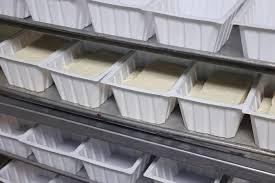
Photo from Pinterest

Tofu water can be used to water plants, add to compost, or as a substitute for aquafaba or other liquids in recipes. 

My mind is completely blown. I’ve drained tofu water ever since I started eating it, and that’s been a long long time.

Truthfully, I never thought it was anything but messy and annoying. Now I’ll save every single drop and tonight, I’ll try a DIY Tofu Facial.

Here’s what I learned: tofu water contains beneficial nutrients like protein, fat, carbohydrates, and minerals (N, P, K) which fertilize plants and promote growth. You can also drink it, use it in soups, or even for DIY facials due to its soothing properties. 

Some things you can do with tofu water:

  • Plant Fertilizer: Pour it onto your houseplants or in your garden to provide nutrients and help them grow. 
  • Compost Additive: The liquid can be added to a compost heap to enhance the organic material and nutrient content. 
  • Aquafaba Substitute: Use it in recipes that call for aquafaba (the liquid from canned chickpeas) as a vegan alternative for binding ingredients in sweets or savory dishes. 
  • Cooking Liquid: Incorporate it into dishes like soups or stocks, especially if the liquid has been reduced to a thicker consistency. 
  • Baking: Add it to the overall liquids.
  • Beverage: Some people boil tofu water with flavorings like vanilla almond milk, stevia, or cocoa for a nutritious drink. 
  • Smoothies: Add to blender with juices, plant milks.
  • Facials: Tofu water contains compounds that can have soothing and calming effects on sensitive skin. 

Let me know if you tried any of those suggestions, or if you plan to!
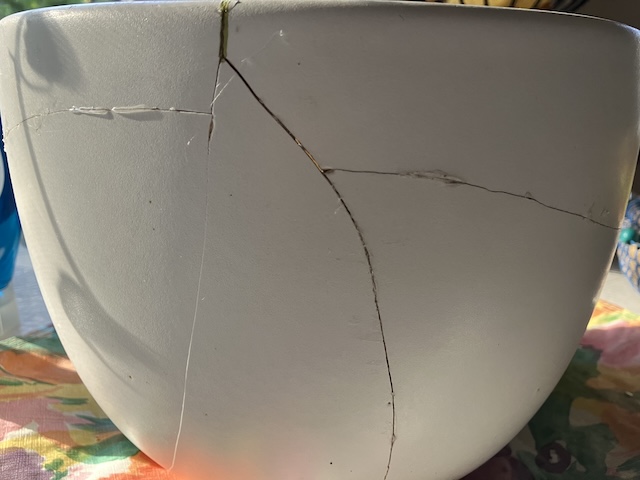
My Kintsugi DIY Project

Kintsugi is a Japanese method for repairing broken ceramics with a special lacquer mixed with gold, silver, or platinum.

The philosophy behind the technique is to recognize the history of the object and to visibly incorporate the repair into the new piece instead of disguising it.

The process usually results in something more beautiful than the original.

Kintsugi is rooted in the Japanese philosophy of wabi-sabi, which appreciates the beauty of imperfection and impermanence. It encourages embracing flaws and seeing them as part of a unique history rather than something to be concealed. 

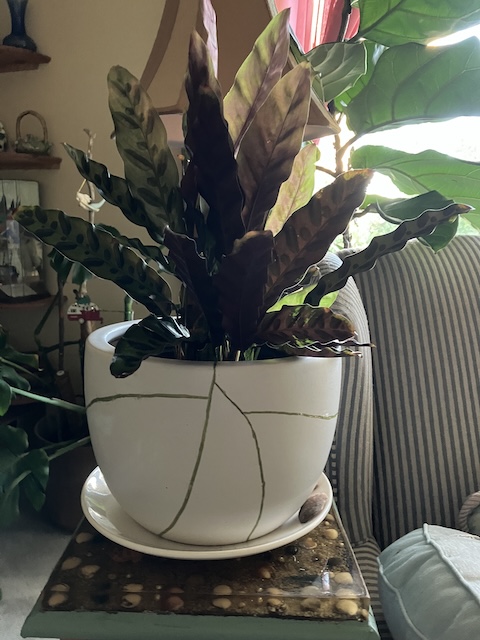
When I had my recent fainting (syncope) episode, my fall smashed one of my favorite planters. It was white, simple, pure, and had a twin, which makes my OCD happy. When I cleaned up the mess, I saved the broken pieces. I wasn’t sure what I could do with them but I wasn’t ready to toss it out, especially as it created an imbalance with its sibling.

Yesterday, finally, I decided to see if I could repair it. I used E6000 to glue all the pieces back together. I thought I could use it outside in the garden even if it was too destroyed to be brought back in the house. It didn’t look great, but then I remembered that I had a gold permanent marker.

Instead of hiding the damage, I used the kintsugi concept and revealed the beauty in its brokenness.

I love the way it looks and the rattlesnake plant is once again displayed in a perfectly, now imperfect setting.

I know you can buy kintsugi repair kits, but my little gold marker did a great job.

While traditionally used for ceramics, the philosophy of kintsugi has been applied to various aspects of life, including personal healing. It offers a perspective on how to find beauty in the brokenness and learn from life’s experiences. 

Since I break things all of the time, I’m fairly certain I’ll be able to attempt more kintsugi in the future. I’m slightly tempted to break something on purpose. I won’t, but maybe I will!

Kid-Friendly Crafts | DIY Bouncy Ball

Especially now that days are longer and it our brief rainy season is almost over, this looks like a really fun and educational craft to do with the Angels– in the garden, definitely NOT indoors.

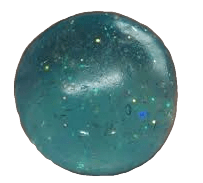
The photo isn’t mine, but this is what I hope ours will look like. I’ll definitely use glitter glue.

A while back I got some borax for another craft that we never tried (snowflakes with pipe cleaners), but this project definitely looks like something everyone would enjoy.

Ingredients
1/2 cup warm water
1 tablespoon borax powder
1 to 2 tablespoons clear Elmer’s glue (glitter glue works too!)

INSTRUCTIONS

Step 1: Make the borax solution
Pour 1/2 cup of warm water into a bowl.
Stir in 1 tablespoon of borax powder until it is completely dissolved.

Step 2: Add the Glue
Slowly pour in 1 to 2 tablespoons of glue, depending on how big you want your bouncy ball.
If using glitter glue or colored glue, this is where the fun begins!

Step 3: Form the Ball
As soon as the glue touches the borax solution, it will start to solidify.
Use your hands to squeeze and shape the mixture into a ball.
If the ball feels too sticky, dip it back into the borax solution for a few seconds, then continue shaping it.

Step 4: Let It Set
Once the ball is smooth and holds its shape, set it aside to dry for a few hours.
As it dries, it will become even bouncier and more solid.
Experiment with different types of glue – Clear glue gives a translucent ball, while glitter glue adds sparkle.
Don’t overwork the mixture – Knead it just enough to form a ball, but too much handling can make it less bouncy.
Store properly – Keep your bouncy ball in a sealed plastic bag to prevent it from drying out.

The educational science experiment part of this project…
The glue contains polyvinyl acetate (PVA), a liquid polymer. When mixed with borax, the PVA chains link together, forming a rubbery texture. This cross-linked structure is what makes the ball firm yet flexible, giving it the ability to bounce.

Hearts + Seashells = Love

World of Love Hearts

I’m going to use this as a template for my next seashell craft.

I love the way it incorporates rocks, too. I haven’t felt inspired like this since I first made several seashell bouquets, and I’ll post a tutorial when it’s finished.

First, I have to decide if I’m going to frame it or hang it by a ribbon, so that’ll determine what kind of base is needed, and now that I’m thinking about it, this will be a great project for the Angel Kids, too. Seashells really do equal LOVE!

Happy Saturday!

Seashells in Bloom 🐚

From Casa de Enchanted Seashells….Happy Father’s Day to all the good dads in the world! 🐚

Whether it’s a Chanel or a seashell, they both bring me joy.

Since I’m woefully allergic to most cut flowers like roses and stargazer lilies, I’m rarely able to have vases full of sweet smelling blooms to decorate every room, but I do have hundreds of seashell treasures, collected by me or presented as gifts.

This is the very last freesia of the season; she’s so precious that I had to bring her in so I could marvel over her color and fragrance, but I had to place far away her from me or I’d start sneezing. As you can see, she’s happily resting among a few of my other seashell friends.

I’ve never really figured out why I love seashells as much as I do, but I learned that some people associate seashells with love and fertility. Some also believe they represent the safe journey between the physical and spiritual world, while seashell jewelry is supposed to bring good luck and to protect the spirit of the wearer.

I’m not super creative like everyone on Etsy and Pinterest, but I do like to embellish almost everything with shells and rocks.

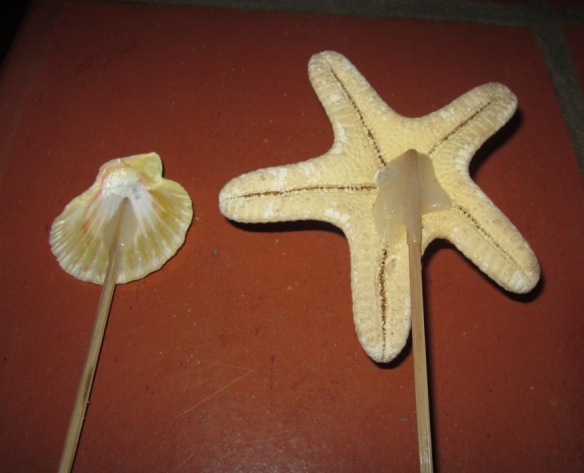
Here’s how to make the seashell bouquet:

  • Get craft sticks of all sizes; I even used chopsticks.
  • If you don’t have a glue gun, get one! I can’t live without mine, that’s for sure. For this project, you don’t have to be perfect, obvs you need to use more glue for the heavier starfish.
  • Florist’s foam (the green stuff) makes it really easy to place the sticks exactly where you want them and they’ll be stable.

I’m pleased with the results.

I liked the idea of a seashell bouquet so much that I made another one; more rustic, in a vintage frog vase (Majolica? McCoy?) from an antique store. This time I used sticks from the garden to attach the seashells.

And because I was inspired by the seashell bouquets, I started a more intense project. With my handy glue gun and a lot of glue sticks, this entry mirror took a longer to complete than I thought it would, but I’m happy with the outcome.

Grape + Blueberry Jam

All my grapes became ripe at the same time which made an easy decision to embark on a grape jam project.

I found lots of recipes for grape jelly but I wanted to include some of the texture that a whole grape can provide and not merely strain out the skins and pulp for the juice.

Always experimenting, I also had a half full container of 100% pure blueberry juice that I used for the Angel’s smoothies so they wouldn’t be refused because they were a yucky GREEN color. It perfectly masks the kale and spinach, teehee.

Every summer, my mom and I used to make pickles and jams and preserves, enough jewel-colored Mason jars to last until the following spring, but I haven’t done it in a while.

She was way more scientifically precise than I could ever hope to be as I never had her patience, but most of the time my creations taste pretty good.

It’s hot and humid, not the greatest weather to cook pots of boiling grapes, but once I started, I was committed to finishing this project.

I didn’t can them in a proper water bath but filled containers for the refrigerator and freezer.

The most time consuming part was separating every grape from its tiny little stem–thank goodness my grapes were seedless — so I set aside about four cups to use whole, and cooked the rest of the grapes separately to strain. I might have zero patience but I’m clever!

At the last minute I decided to add ginger and cinnamon. Those two ingredients elevated the flavor more than I could have imagined.

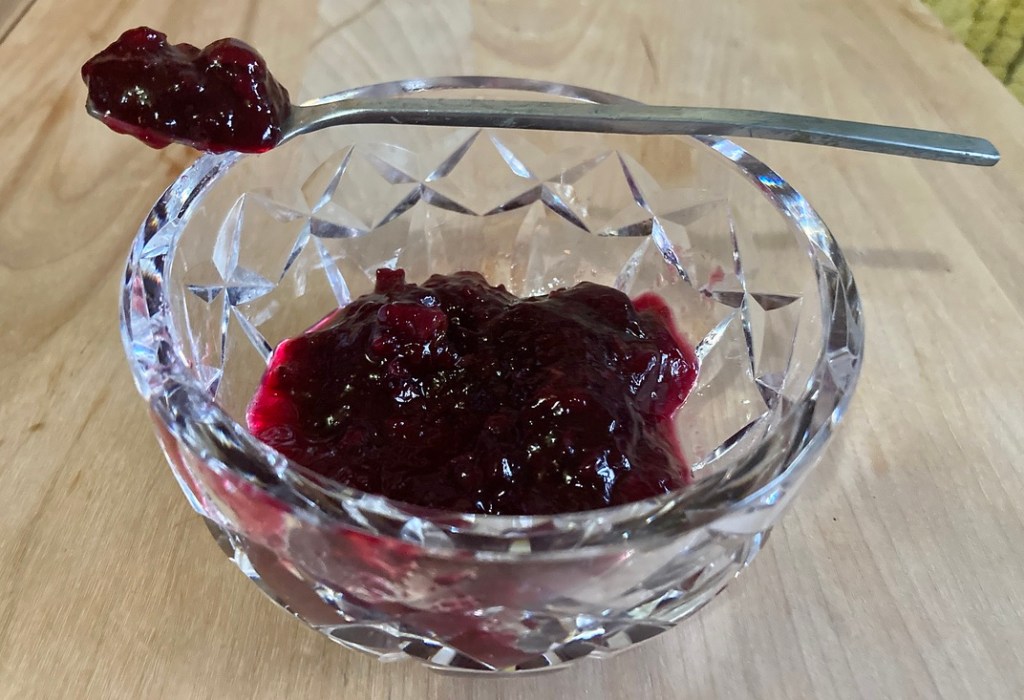
I lost the identification tag, so I don’t know exactly what type of grape I have, but they’re seedless and very sweet. This was only half of the grapes I used.

I cooked them in two pots, added the sugar equally along with ginger and cinnamon, and skimmed off the white foam:

Strained the one pot of grapes that weren’t cleaned as diligently…

After that, I combined both pots of grapes, added the blueberry juice and pectin, let it come to a rolling boil for another minute, and the mixture was ready to fill freshly sterilized containers. I wasn’t going to use pectin because I thought there was enough natural pectin, but I had some and it’s vegan, so I added it.

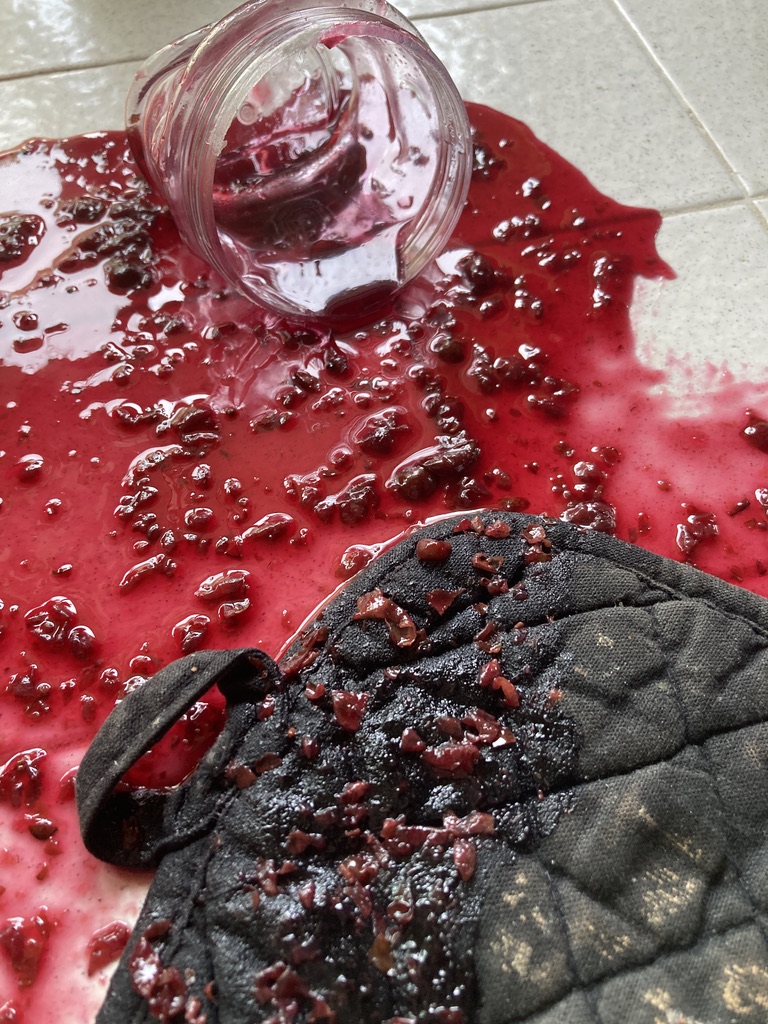
Disaster! I’m sure most people are smarter than me and wouldn’t fill plastic containers with boiling liquid. Life lessons, right? I licked a bit off the counter and it’s DELICIOUS. Don’t you think that container reminds you of Picasso’s melting clocks? I do! Such a mess.

Much better!

I had to hurry and sterilize a lot of glass jars and didn’t have time to scrape off the labels, but they’re clean and bacteria-free. After cooling, it jelled beautifully. I’m very happy with the results!

Here’s the recipe I created.

Rocky Beach

I got up super early and went to the part of the beach that never fails to provide a variety of plentiful rocks for all my projects. This time was no exception. The irony is that there are no seashells here; only rocks. My local beaches aren’t known for seashell collecting, but rocks are welcome treasures, too.

There was the bluest of sunny skies but it was windy and sand was blowing all over the place from another mild Santa Ana.

I was able to find all the rocks I needed, joined by an audience of seagulls and shorebirds. It was so early there were few humans so we had the beach to ourselves.

Every rock is so beautiful and unique; I have a hard time choosing who comes home with me. Just look at them!

DIY Project: Brick Patio

Do you have any idea how much 72 bricks weigh? Me and my sore back can tell you they weigh in excess of 300 pounds. Ouch. But it was worth it; take a look.

Like I was gifted the beautiful dollhouse, I was also given two outdoor chairs and that created a happy dilemma.

Where should they go? Where is the perfect location for these adorable red chairs?

The backyard gardens had plenty of seating so I took a good look at the front yard and found a perfect spot in the corner where two fences meet and create a sort of alcove.

I thought it would be a cute place for the angels to have a tea party.

After giving it a lot of thought, I decided to make a 4 x 4 brick patio. I thriftily repurposed bricks from another garden project that no longer brought me joy.

Thanks to a brick calculator and not my math-challenged brain, it appeared that I would need 72 bricks. I didn’t have that many, so I purchased 20 bricks and a bag of sand. The cost of this entire project was less than $20.

The bag of sand weighed 50 pounds and that’s my absolute lifting limit. I almost tore my arms out of their sockets carrying it from the car. But I did it.

The real work was preparing the location, which was on a slight slope and didn’t easily cooperate. Yes, I used a level but I’m also challenged in that area too, so it didn’t really make sense to me and I gave up after a few frustrating attempts.

As I said to many neighbors that walked by and watched me, I was doing my normal half-assed job. I know there are proper ways to do it right with the level and string and stakes blah blah blah, but I literally didn’t care. I wanted to get it done so I could start to decorate.

Before:

I needed to leave that horrible old cactus for two reasons: 1. It’s holding up the fence which somehow separated from the wall. 2. It’s security because no one would even think to try and climb over it.

I went to the nursery and bought a raspberry plant which I anticipate will entwine with the cactus and mask it. I also planted more of my snow peas and their lovely green leaves and pods will create a secret garden atmosphere. In the far corner, I transplanted a fast growing Cup of Gold (Solandra maxima) vine with gigantic yellow flowers.

It took three days to finish, but it’s DONE except for the solar fairy lights that will arrive tomorrow.

As soon as the stores start to carry their spring/summer items, I’ll replace that white table with something else, but it’s OK for now. I definitely need more rocks so that means I need to make a trip to the rock beach.

All in all, if you ignore the uneven bricks, it’s perfect, at least for me!

Black and Blue

Sunday afternoon in SoCal was warm, sunny, and windy. I was intent on my project, hanging outdoor lights from the deck all the way to the grape arbor.

Picture me standing on the highest rung of a medium-sized step ladder. As I reached my arm as far as possible to secure a line of bright lights, I felt one of the ladder feet sink deeper into the soil than the others, creating an uneven support system.

In a split second that seemed to last an eon in slow motion, I knew before it happened that I was going to fall, that there would be no way to recover, nothing to hold to break the inevitable tumble.

And so I fell.

Arm still outstretched, I became airborne as I crashed to the ground, step ladder tangled in my legs.

I thought for sure I broke something (I’m no stranger to broken bones) but I suffered only bruising, no more damage than black and blue discoloration to remind me to be MORE careful in the future. My luck might not hold out if I tempted fate again.

If anyone had been filming me, I’m sure it would become a viral vid on YouTube or TikTok with the hashtag #stupidity, but alas, I was alone with my bunnies and butterflies and the lizards that got scared and ran off to hide under a rock.

There are more planets than Mercury in retrograde; maybe this was a message from one of them? I dunno, but I can verify that the lights look festive and perfect for late nights in the garden, just the effect I was looking for, well worth the pain.

DIY Garden Paver Project: Stepping Stones

This simple DIY project reallyreally exacerbated my OCD issues. However, I was determined NOT to give up until my inner demons were soothed.

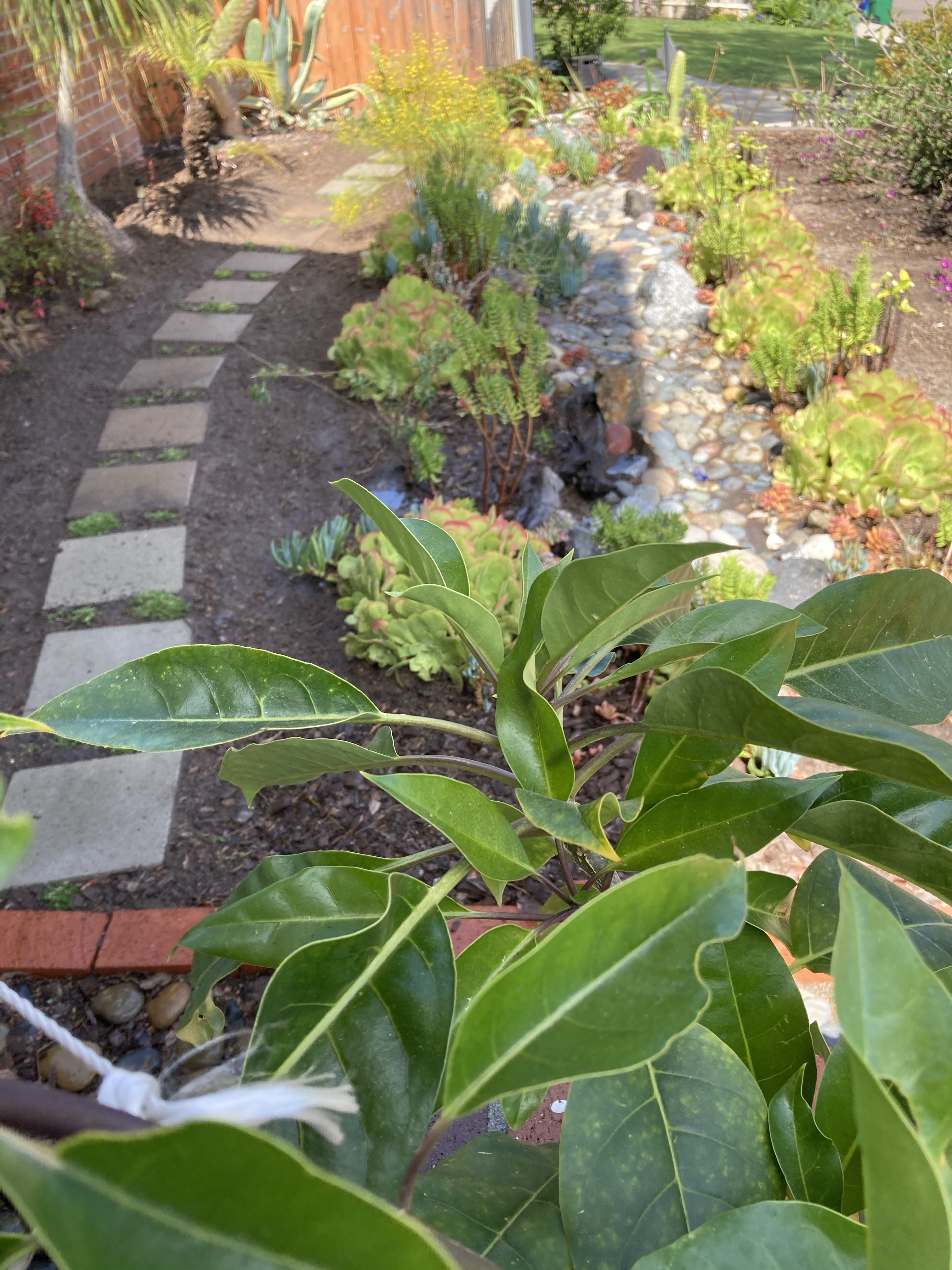
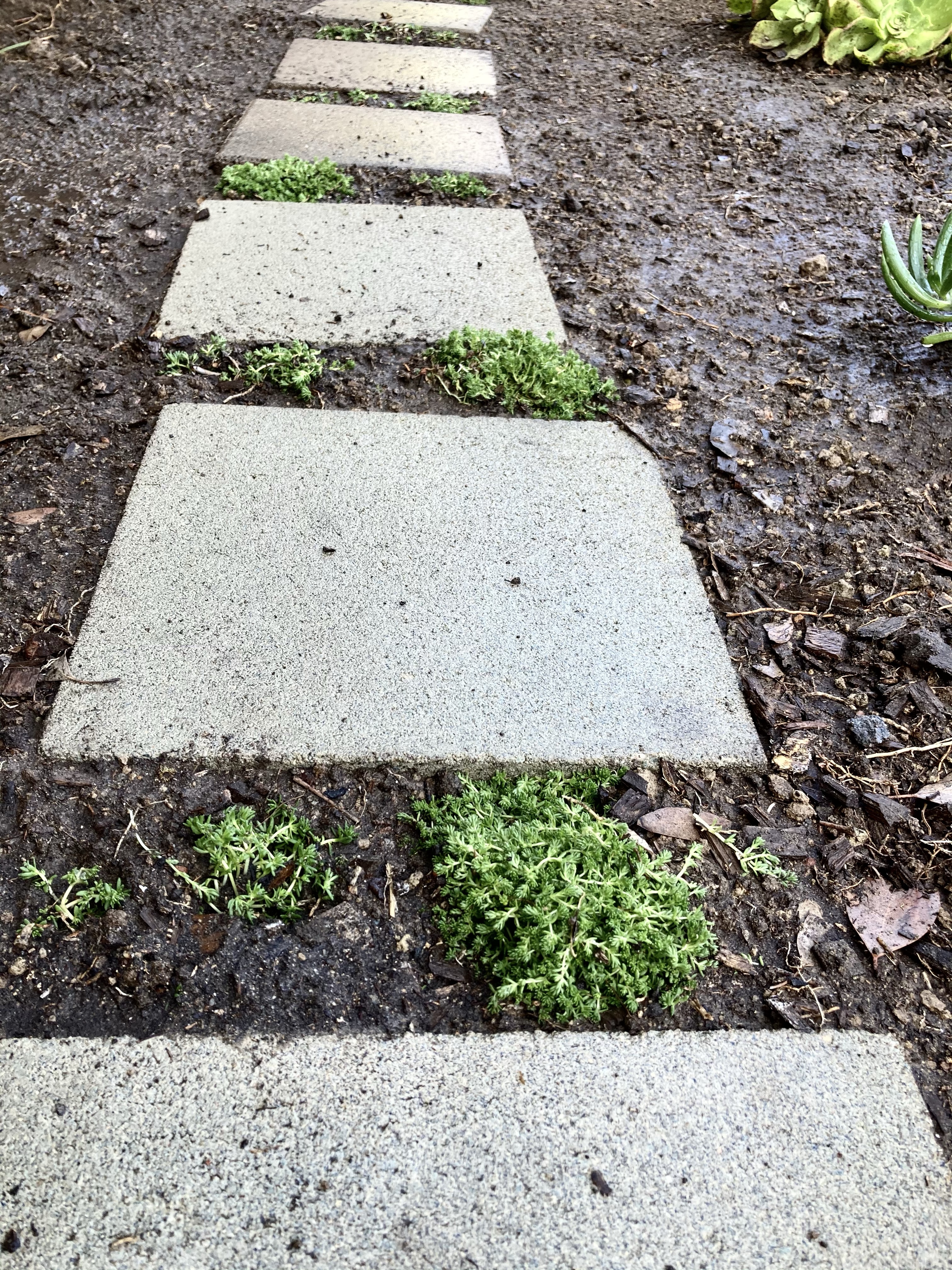
The fifth time was a charm, at least I think so. I’m not good at math but I used sixteen pavers with the exact same distance between each one. The middle of the arch aligned perfectly with the big living room window and that made me SO happy. It’s a nice transition between the pygmy palms and the ponytail palms and my dry river bed. I realize the standard rule is to leave 24 inches between each paver or stone, but I’m short and that’s a big leap for me, ergo the reason why they are so close together.

I have an unending supply of these adorable little mounding succulents that are ideally suited to completely fill the spaces between the pavers. If I remember correctly, it’s a kind of spreading sedum and seems to love it in my backyard garden. It won’t take long for them to grow.

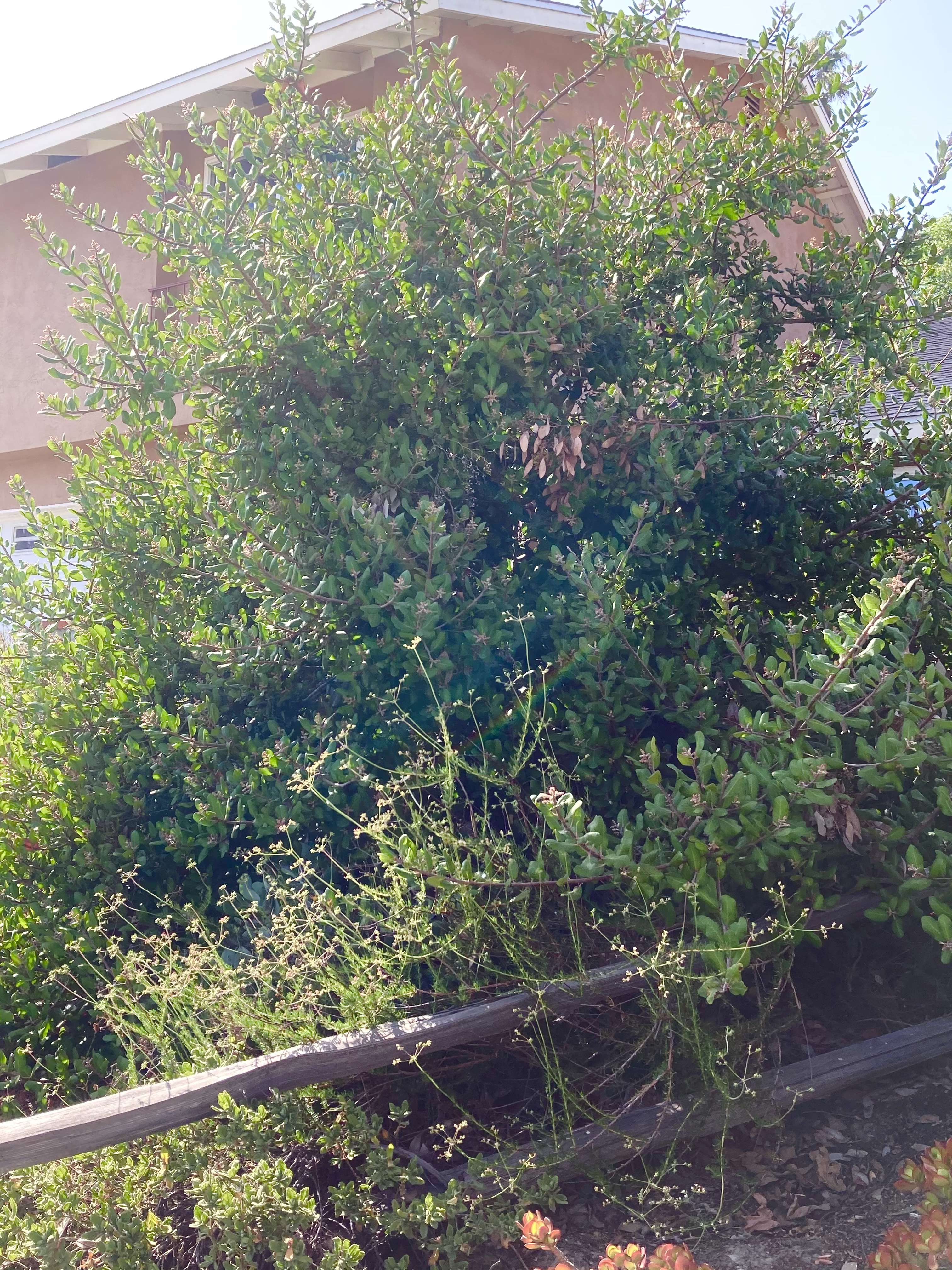
I thought about painting or stenciling the gray concrete but it would have spoiled the theme of the dry river bed. The rest of my front yard is planted with California natives; coyote bush, sages, buckwheat, and this gigantic Rhus integrifolia, also known as lemonade sumac or lemonade berry. It began life as a one gallon plant and must really love it in that spot because it’s as big as the house!

(I probably don’t need to tell you that you wouldn’t want to be here when I hang a picture on the wall.”Move it just a bit to the right, I mean to the left; up a tiny bit. OK. PERFECT.”)