“I know you’re tired but come, this is the way…” Rumi

It may look like a hot and dusty trail, but I think it’s paradise. Let’s explore this path together.
“I know you’re tired but come, this is the way…” Rumi
It may look like a hot and dusty trail, but I think it’s paradise. Let’s explore this path together.
My son is the classic dictionary definition of an absent minded professor (which he is). His beautiful brain has multiple trains of thought all speeding along at the same time, so sometimes, day-to-day mundane tasks fall by the wayside.
It was early morning and he had returned from a dawn patrol surf sesh. We were having a lively “discussion” about where to put his surfboard…”Mom, Mom, I’m going to leave it right here, don’t worry. I’m going to surf later, too.”
Whenever he says “don’t worry”, there’s an eighty to one hundred percent chance that it’s something I SHOULD worry about. I learned that after forty-three years of being his mom.
I told him I’d prefer it if he took the extra few minutes to put it away in the garage where it belongs.
This discussion took place as we’re standing in the driveway. It could have been today or a couple decades ago; some things never change!
We were at an impasse. Hands on my hips, I stubbornly stuck to my position that the surfboard needed to go back where it belongs or I would end up trying to lift up a longboard that’s twice my size. Something would break; either the board or me.
Finally, I said, “Look how much time you’re wasting. If you had simply put it up instead of trying to convince me to allow you to leave the surfboard in the way, you’d already be in the house eating your breakfast burrito!”
Well, that’s the kind of logic that works with him. He finally put his board away. Like I told him his entire life, he should take his arguing and debating skills and become a lawyer like his grandfather.
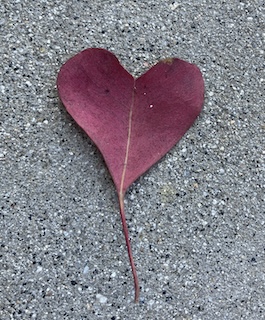
As we wrapped up a twenty minute negotiation, I looked down and found this perfectly formed heart leaf. I took a picture, picked it up, brought it in the house, and I’m looking for a suitable frame while my (annoying) child inhales his breakfast.
It’s all about love. It always has been, and always will be. That child IS my heart, whether he’s being annoying or not.
I learned something new today. I read that freshly hatched doves are silent; unlike most birds that chirp or coo incessantly for food, baby doves make virtually no sound.
I didn’t hear anything for a couple of days, so I climbed up on a stepladder to see inside the nest and there was this gorgeous little one gazing at me with his gentle round eyes. I thought there were two eggs, but there’s only one, and he seems quite content.

Baby mourning doves are ready to fly and leave the nest when they’re about two weeks old, but they stay close to their parents and continue to be fed by them for another week or two.
The nest is now empty but they’re still here in the garden, and even came to visit me on the deck. I feel lucky to be chosen as a safe haven for these placid, peaceful creatures.
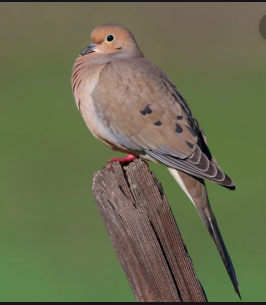
There are a lot of doves around here AND a lot of hawks. I’ve actually watched them hunt doves, and because they’re not the most swift birdies, it’s not even a contest. The hawk wins every time. It’s a traumatizing experience for ME because there’s nothing I can do to save them from their terrible fate.
Yesterday, I noticed some ripe grapes in one of the arbors in my garden so I climbed on a ladder to snip the cluster when I spied a rough twig-filled nest wedged on top between the vines.
Camouflaged so adorably was a mama dove sitting in the nest looking right at me with her big round eyes. I think there are two eggs in her nest.
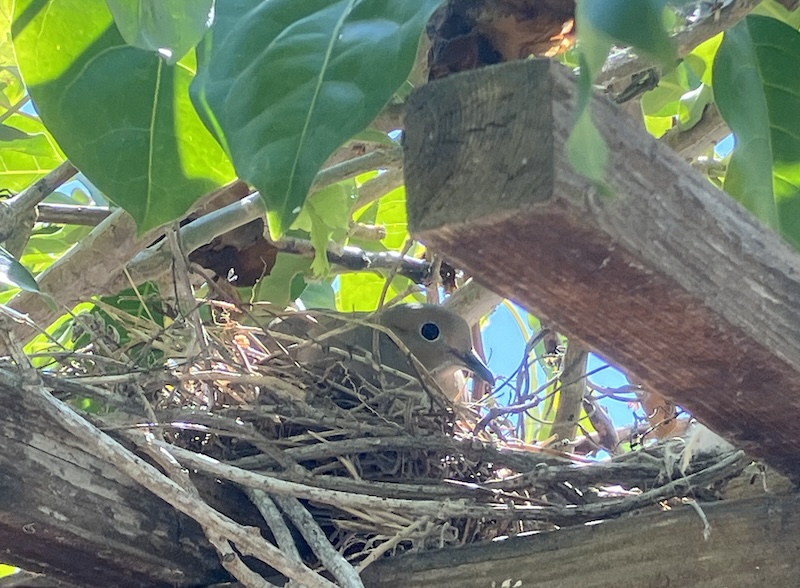
I grabbed the grapes and climbed down as fast as I could to not further disturb or scare mom.
I’m not sure this is the most secure location to raise a family so I’ll do all I can to keep them safe. “You can trust me, mama dove!”

A dove pair may raise two families in a single summer. Mourning doves mate for life – about seven to ten years. If a mate dies, the remaining dove will persevere in its futile attempts to evoke a response from its lifeless mate. Driven by hunger, thirst, threat, or nightfall, the bird will ultimately depart. SAD!!!
Doves are mainly ground feeders which makes them extremely vulnerable to being swooped up by predators. They’re almost 100% granivores, feasting on grains and seeds from wild grasses, weeds, and herbs. I stopped filling the bird feeders because of RATS and squirrels so these guys are on their own, but that doesn’t seem to bother them.
Like all birds, Mourning Doves are unable to sweat, so to stay cool during hot weather … they pant just like a dog. Panting requires the doves to drink a great deal of water due the excessive loss of moisture to evaporation. Doves are one of the few species of birds that drink by sucking up their water instead of taking a bill full of water and letting it trickle down their throat. It can suck up its total daily requirement in less than twenty seconds.
Symbolically, it’s believed that when a dove visits you, they bring a message from a loved one who has passed away or a sign of peace and comfort during times of grief. Two doves together symbolize unity, partnership, and love.
I left the ladder nearby so I can check on mama’s progress. Soon, I hope to hear the chirping of hungry little dove babies.
Lately, I’ve been acting like Sherlock Holmes in my quirky attempts to capture this elusive Monarch butterfly. It’s like she knowingly teases me–such a coquette–flitting all around but never staying in one place long enough to capture her beauty. “Here I am; oops, now I’m gone. Catch me if you can!”
Yesterday, my patience paid off!
Purely bewitching…

FYI…did you know that the brilliant Leon Russell was the pianist on Bob Lind’s recording of his song, Elusive Butterfly? It’s TRUE, Leon was everywhere with his musical genius.
Here’s she is, in all her glory on the flowering California native sumac, joined by a couple of friendly bees:
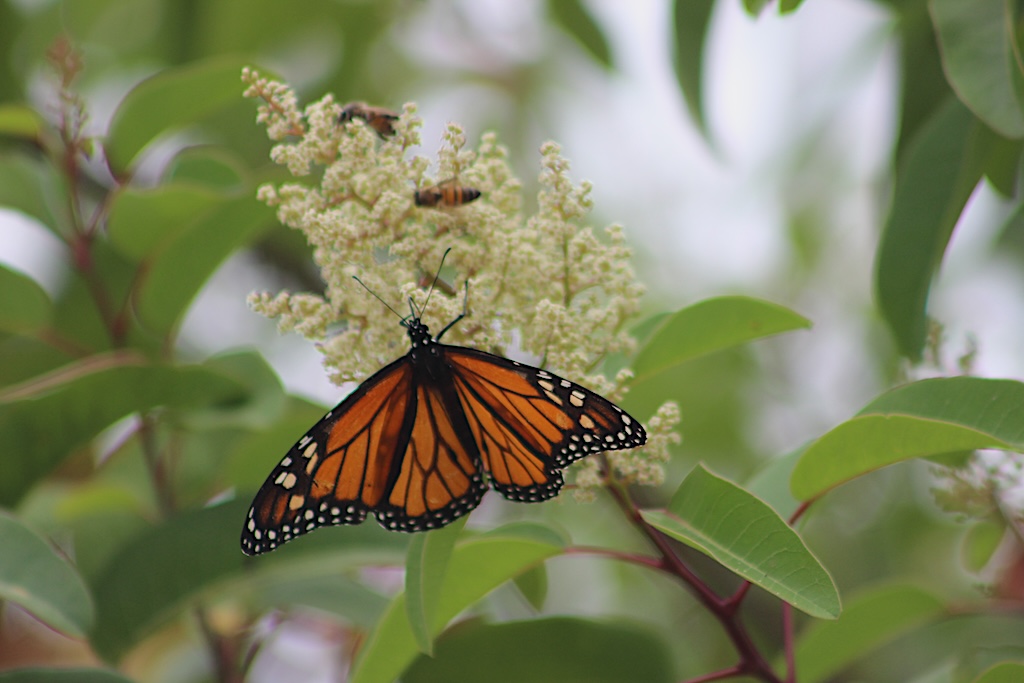
The money shot: symmetry, color, perfection…

Check out this older post with video of Bob Lind and Elusive Butterfly.
Along with today’s rare alignment of Mars conjunct Uranus in Taurus, one of the most impactful astrological events of the year, July’s full moon is next Sunday and I can already feel the energy, how about you?
My dreams are crazy intense. I dreamt of whales swirling all around, smiling at me. There were other, darker, sadder dreams that woke me up and gloomily lingered for the rest of the day, but the whales only brought a delightful yearning to speak to them and join in their song.
This is the juvenile California Gray Whale that became lost and almost dangerously stranded in our lagoon.
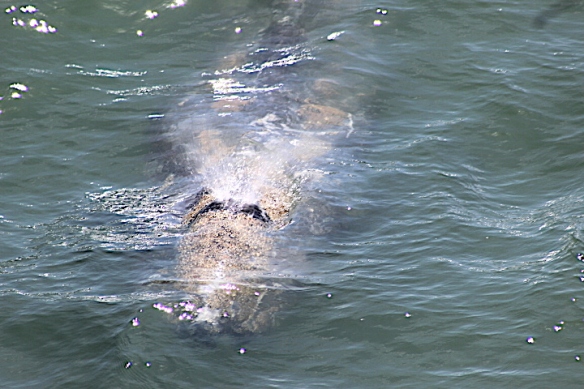
Lucky me got several super close up photos and videos. At one point, his eyes locked onto mine and I tried to mentally direct him back to the open ocean so he could join his mom. Eventually he did, but I’m sure I had nothing to do with it.
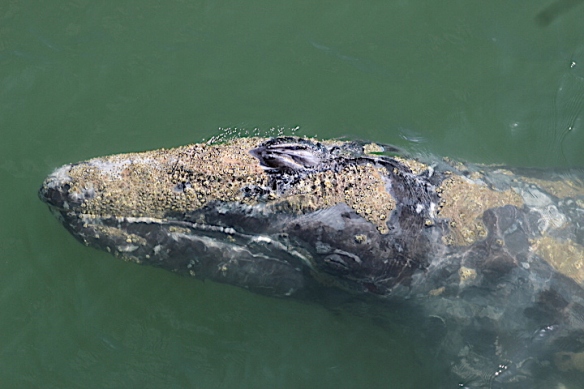
It was an otherworldly experience, as are all my whale and dolphin sightings. There is no greater joy than the exquisite joy that brings tears from our heart and soul.
Did you know that a family of bunnies is called a “fluffle”?
My garden is home to a fluffle of wild rabbits. Sometimes they frustrate me because they eat every single blade of grass, even pulling out the roots, and it’s literally impossible to reseed the bare spots they create.
This is where the ambivalence comes from; a love/hate kind of feeling. On one hand, they’re cute, especially the babies, but rabbits can be quite destructive, and there’s not much that deters them.
One of my neighbors who complained about a similar problem suggested shaving Ivory or Irish Spring soap around the area to discourage the buns and I might try that to see if it really works or if it’s an urban myth.
However, this little guy greets me every morning when I open the patio doors. He’s always perched on the deck bench and devours grape leaves.
What’s even freakier is that he sits at the screen door and watches me, even at night. I have to remember to securely latch the screen because I think he’s trying to come in the house.
Because of all the rain early in the year, the vines grew crazy big. I covered the grape clusters with little white mesh bags to save them from the buns and other critters, but I’m happy to share a few leaves, especially since they’re pesticide-free.

A couple months ago, a neighbor was planning to discard half a dozen orchids she thought were dead or dying and asked me if I wanted them before they ended up in the trash.
That really broke my heart, as I have a soft spot for animals and plants (and a few humans) that might benefit from some kindness and attention, so I took them all.
When I brought them home, they were sad little things; dried up, starving, and so thirsty that I could feel their pain, so I immediately submerged them in filtered water and set them in a quiet and shady place to drink all they needed.
I pruned some of the withered bits, found pretty pots for all, and decided to give them some time to heal in a loving environment.
This is the first orchid that has rewarded my caregiving with a spike of stunning color!
Let me introduce my rescued baby, a pink Phalaenopsis Elastic Love, also called Moth Orchid.
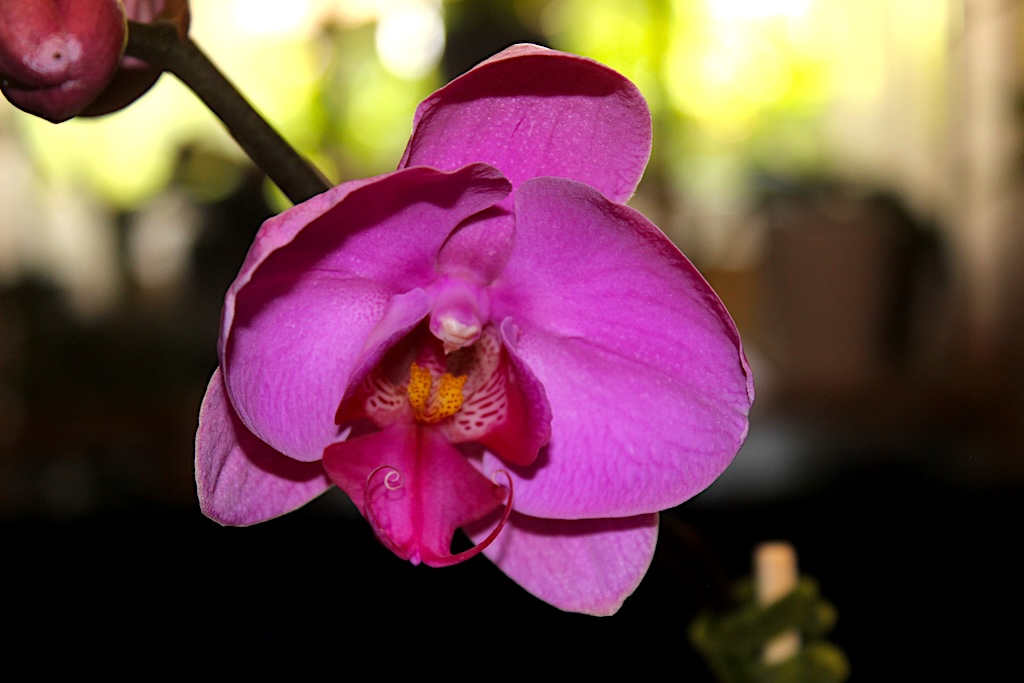
She is SUCH a drama queen and thrives as the center of attention!

The remainder of the rescues all have new growth and are throwing spikes, too, which brings an overwhelming sense of joy! All they needed was a little tender, loving care.
What an absolutely amazing way to start a new month!
When plants cry…not at all like Prince’s When Doves Cry…
I was beyond ecstatic when my mini-Monstera began to unfurl the first new leaf since I brought her home. When I checked on her progress this morning, I noticed that she appeared to be crying.
Why so sad, baby girl?
I try to do everything to make her happy and healthy; water, fertilizer, the right amount of sun, and I adorned her with a beautiful, thrifted Satsuma pot.

This tear looks like it’s coming from her alien-eye, the classic Monstera fenestration.
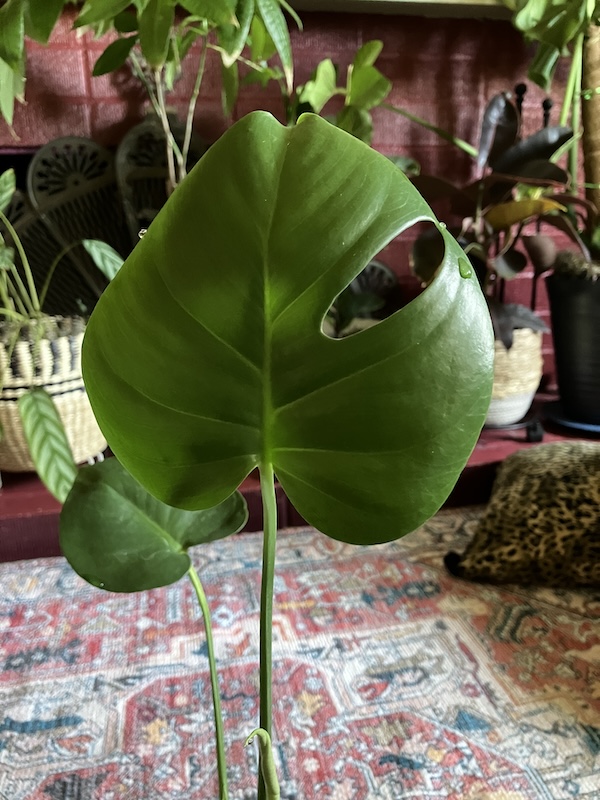
They’re not tears of sadness nor joy; they’re actually due to a process called guttation.
Guttation is a mixture of xylem and phloem fluid, which contains sugars and other chemicals produced in the leaves that are exuded overnight by the plant.
Guttation is one way houseplants attempt to regulate their growing conditions. This response can occur when a plant has been overwatered or under stress, or the plant could be perfectly fine and want to balance its nutrients or minerals.
Aren’t plants SO smart?
I confess that sometimes I love my plants too much, as in too much watering, and I hope this isn’t the reason because I adore this new leaf baby and her brothers and sisters love her, too.

Don’t shed any more tears, little one! I promise to try and not love you to death!
As if on cue, summer finally arrived during the solstice with intense heat and abundant sunshine. Around Casa de Enchanted Seashells, a couple new friends visit every day.
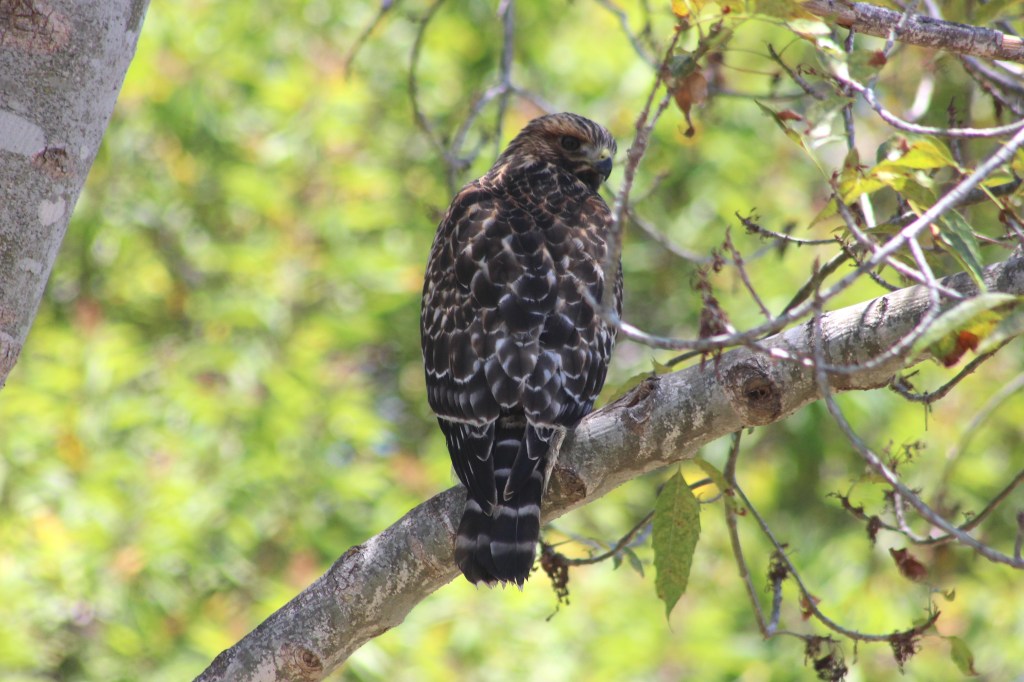
Here’s my Red Shouldered hawk, who looks directly at me as he scouts the garden for breakfast, lunch, and dinner. He’s so, so gorgeous.

He’s always on the same branch in my ash tree.
This BIG skunk is probably the same one who sprayed my neighbor’s dog not once, but twice. The photo is a bit grainy because it was almost dark and I was way closer than I should have been. If I had startled him, I’d still be bathing in tomato juice right now!

Happy Monday!
 Enchanted Seashells | Princess Rosebud