My Wish For You

I hope everybody survived the powerful energies of the 8/8/8 Lion’s Gate Portal! It was intense, wasn’t it? And still is…

I always return to the simple things to realign myself on life’s journey; a little course correction of some vitamin sea at the beach with sand and seashells.


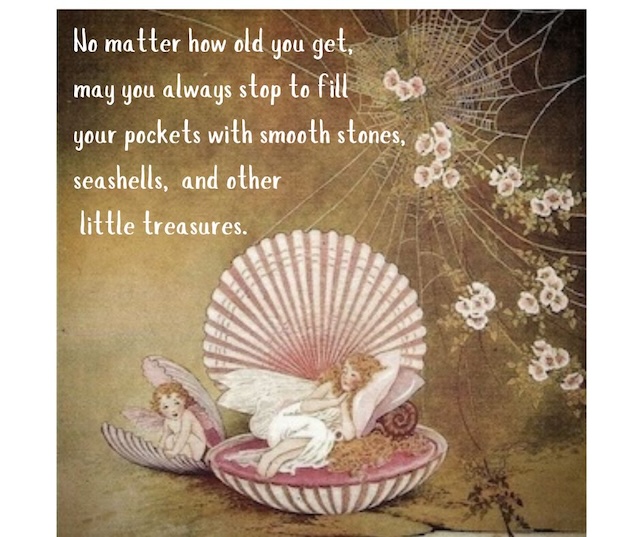
Art by Ida Rentoul Outhwaite
Quote by Nicollete Sowder
Text over art by Enchanted Seashells

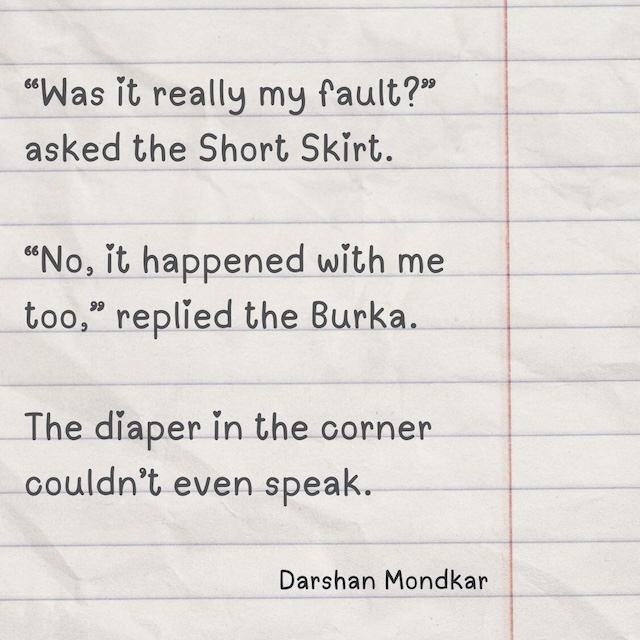
Whose Fault IS It?

This has been around for a while, but it was a recent discovery for me.
It hits hard, doesn’t it?

Graphic created by Enchanted Seashells

July’s Fancy Full Moon

She’s spectacular; full of drama.

Photo by Enchanted Seashells

“At night, I open the window
and ask the moon to come
and press its face against mine.
Breathe into me.
Close the language-door
and open the love-window.
The moon won’t use the door,
only the window.” — Rumi

Irreplaceable

Has everyone read The Little Prince? It’s packed full of wisdom, like this quote from the book:

For nothing, in truth, can replace a lost companion. Old friends cannot be created out of hand. Nothing can match the treasure of shared memories, so many bad times endured together, so many quarrels, reconciliations, heartfelt impulses. Friendships like that cannot be reconstructed.  
The Little Prince by Antoine de Saint-Exupéry

The Little Prince visits various planets, including Earth, and addresses themes of loneliness, friendship, love, and loss. The story of the prince and his rose is a parable about the nature of enduring love.

I only recently learned that the same month that the book was published, Saint-Exupéry joined the Free French Air Force, and in July 1944 he disappeared while flying a reconnaissance mission, reportedly shot down. Isn’t that unbelievably sad?

Art by Andrea Hrnjak

Seijaku: Word of The Day

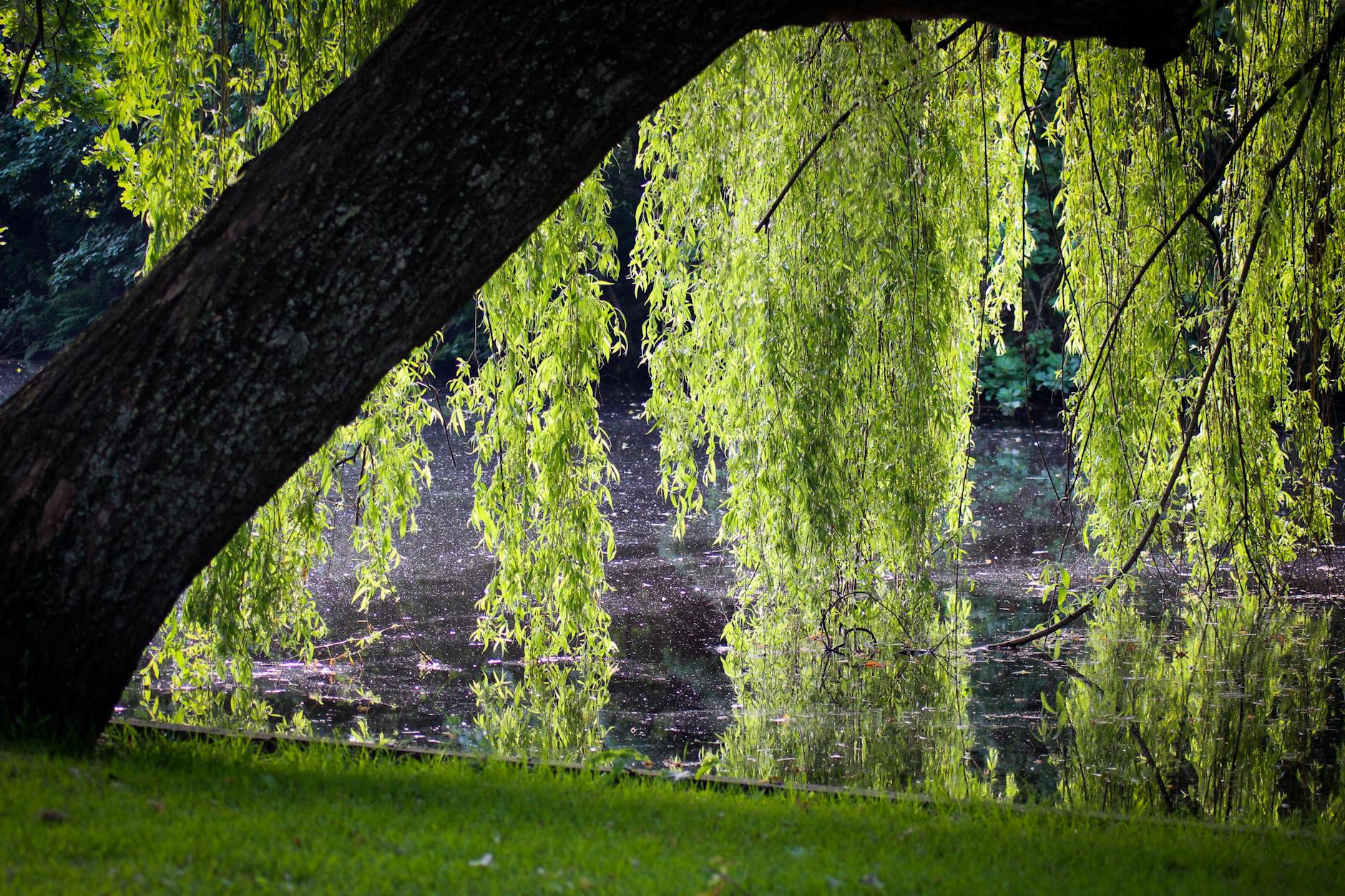
Photo by Pixabay on Pexels.com

Seijaku: stillness in the midst of activity, is an advanced and powerful form of T’ai Chi Chih.

“The Japanese speak of Seijaku as serenity in the midst of activity. Not escaping from the world to some mountaintop as is taught in the Indian teachings. But finding the real meaning, fulfillment, energy and wisdom in the midst of everyday hustle and bustle – building a silent and imperturbable center while active in the disappointments and triumphs of our busy lives. This is real fulfillment.” Justin Stone Speaks on T’ai Chi Chih®

Seijaku (stillness, tranquility, solitude): The principle of seijaku emphasizes the fundamental Zen theme of emptiness, which implies an inexhaustible spirit.

It is in states of active calm, tranquility, solitude, and quietude that we find the very essence of creative energy. Silent pauses in music, as well as motionlessness in dance and theater, illustrate the power of seijaku.

In meditation, we strive to achieve self-awareness and focus, to learn how to quiet our mind.

I think that’s why it’s called a practice, because it’s a daily exercise to try and attain and actualize that state of being.

Some days it works; often it does NOT, but it’s a life goal. My brain often goes off on a tributary, thinking of funny things like the Seinfeld episode where George Costanza’s dad screams “Serenity, NOW!” (I’m working on that; like I said, it’s a practice…)

Listen

Image

Little Monday Thoughts

Some of the times
There are no words,
so let us just sit here in the silence.
Together in the silence we shall be.

Little thoughts by Athey Thompson
Art by Ida Rentoul Outhwaite

Forest | For Rest

From The Celts Royalty FB

This is so cool! I love word play like this and it’s also a simply authentic, profound observation.

Forest = for rest.


Forest is Mother

The ultimate mother...

Be my mother, I said to the trees, in the language of trees, which can’t be transcribed, and they shook their hair back, and they bent low with their many arms, and they looked into my eyes as only trees can look into the eyes of a person, they touched me with the rain on their fingers till I was all droplets, till I was a mist, and they said they would.       (Emily Berry, Canopy: Stranger, Baby)
Photo by vanesa ayala on Pexels.com

Happy Mother’s Day!

Is “Of Course” The New “You’re Welcome”?

Of course!

I’ve become obsessed with observing how often people say “of course” in response to “thank you” or any other expression of appreciation. Have you noticed it, too?

For example, I was at the market and said thank you to the person who bagged my groceries. He said, “Of course.”

Later, a neighbor gave me a cool puzzle for the grandkids. I texted “thank you.” She responded, “of course”.

Someone else helped me find a particular section of rugs in TJ Maxx and when I told her I appreciated the help, she responded, “of course.”

This all happened in the same day because it seems as if no one says “you’re welcome” EVER –just “of course.”

Is it rude? Is it polite?

OF COURSE I did a little research…

Here’s the query: Is it rude to reply “of course”?

‘Of course’ by itself means obvious, expected. So when someone says ‘of course’ instead of ‘you’re welcome’, the feeling is “it’s obvious that I would do that because I want to do that’. It seems to be a friendly communication, BUT IS IT?

In fact, it’s a big search on Quora…

Why do millennials often say “of course” instead of saying “you’re welcome” when you thank them?

You can respond to someone who says “of course!” after you thank them by expressing your gratitude again or by acknowledging their kindness. For example, you could say “Thank you again, I really appreciate it” or “You’re so kind, thank you.” This shows that you value their response and appreciate their willingness to help.

What about people who respond “no problem” in response to “thank you”?

I like this following points of view:

“You’re welcome,” is the correct short answer. “Of course” implies entitlement. Even the currently popular, “No problem,” implies imposition.

Both of those answers imply “It’s all about me, not you.” I think it’s another sign, indicative of more and more egregious narcissistic behavior creeping into our society on a daily basis.

Regardless of the following ways to respond to “thank you” and you can call me old-fashioned, but I’m going to stick with “you’re welcome.” That’s the only one that feels right to me.

Do you say “no problem” or “of course” or are you like me and reply with a simple “you’re welcome”?

rachelsenglish.comhttps://rachelsenglish.com › youre-welcome