2023 : Thoughts, Inspiration, and a Mantra

Photo by Engin Akyurt on Pexels.com

As 2022 winds down, I started to think about what a strange year it was.

For me at least. it seemed like I was enveloped in a mantle of fog. On a fundamental level, I acknowledge the passage of time and seasons, but I’m not exactly sure how January 2022 metamorphosed into where we are now, at the end of another year. Sometimes time moved too swiftly, other times it seems as if the tick of the clock too slowly moved to the next minute.

I’m not smart enough to explain all of that, but I’ve learned to radically accept things as they are. At the end of the day, at the end of this odd year, the only constant is love; to love and be loved. Despite the inexorable and merciless movement of time, I’m bound by that belief.

Do you make resolutions? I don’t — too much pressure — instead I like the idea of manifesting a happy and healthy new year.

You have to breathe through the heart. And once you’re in that space – and it’s a very big space – once you’re in there, you’re in a completely different space. You’re in the space that can heal anything.” Dolores Cannon
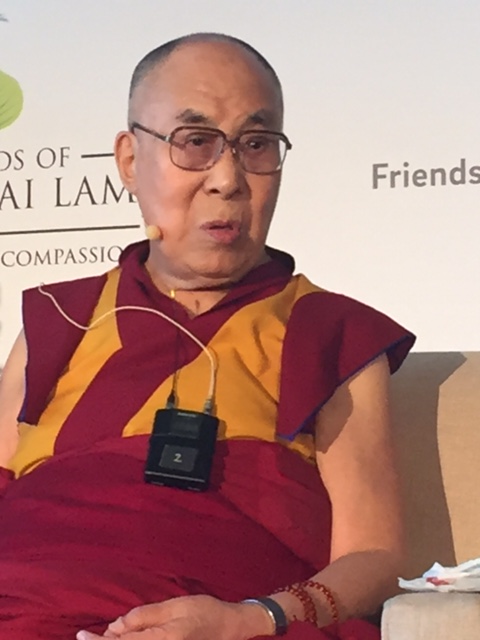
Dalai Lama

From His Holiness the Dalai Lama (whom I had the incredible honor of meeting and speaking with a couple years ago…)

As you breathe in, cherish yourself. As you breathe out, cherish all beings.”

In my opinion, this is still the best and most relevant mantra, again from the Dalai Lama:
Om Mani Padme Hum

He says this mantra has the power to…“transform your impure body, speech and mind into the pure body, speech and mind of a Buddha.”

Tibetan culture tells us that to deeply know this phrase — to bring it into the very depths of one’s being — is to attain enlightenment.

Here’s what each syllable means:

Om

The first, Om is composed of three letters. A, U, and M. These symbolize the practitioner’s impure body, speech, and mind; they also symbolize the pure exalted body, speech, and mind of a Buddha.

All Buddhas are cases of beings who were like ourselves and then in dependence on the path became enlightened; Buddhism does not assert that there is anyone who from the beginning is free from faults and possesses all good qualities. The development of pure body, speech, and mind comes from gradually leaving the impure states and their being transformed into the pure.

Mani

Mani, meaning jewel, symbolizes the factors of method—the altruistic intention to become enlightened, compassion, and love.

Just as a jewel is capable of removing poverty, so the altruistic mind of enlightenment is capable of removing the poverty, or difficulties, of cyclic existence and of solitary peace.

Similarly, just as a jewel fulfills the wishes of sentient beings, so the altruistic intention to become enlightened fulfills the wishes of sentient beings.

Padme

The two syllables, padme, meaning lotus, symbolize wisdom, just as a lotus grows forth from mud but is not sullied by the faults of mud, so wisdom is capable of putting you in a situation of non-contradiction whereas there would be contradiction if you did not have wisdom.

There is wisdom realizing impermanence, wisdom realizing that persons are empty of being self-sufficient or substantially existent, wisdom that realizes the emptiness of duality—that is to say, of difference of entity between subject an object—and wisdom that realizes the emptiness of inherent existence.

Though there are many different types of wisdom, the main of all these is the wisdom realizing emptiness.

Hum

Purity must be achieved by an indivisible unity of method and wisdom, symbolized by the final syllable hum, which indicates indivisibility. According to the sutra system, this indivisibility of method and wisdom refers to wisdom affected by method and method affected by wisdom.

In the mantra or tantric, vehicle, it refers to one consciousness in which there is the full form of both wisdom and method as one undifferentiable entity.

In terms of the seed syllables of the five Conqueror Buddhas, hum is the seed syllable of Akshobhya—the immovable, the unfluctuating, that which cannot be disturbed by anything.

The six syllables, om mani padme hum mean that in dependence on the practice of a path which is an indivisible union of method and wisdom, you can transform your impure body, speech, and mind into the pure exalted body, speech, and mind of a Buddha.

His Holiness the Fourteenth Dalai Lama is considered the foremost Buddhist leader of our time. The exiled spiritual head of the Tibetan people, a Nobel Peace Laureate, Congressional Gold Medal recipient, and a remarkable teacher and scholar who has authored over one hundred books. https://www.shambhala.com/snowlion_articles/om-mani-padme-hum-dalai-lama/

Peace, Serenity, and Joy

That’s the feeling I get from an afternoon walk around Agua Hedionda Lagoon. It’s the kind of holiday celebration I love.

This is the perfect spot to breathe and contemplate centuries of Native American history.

For ten thousand years, these rolling hills and canyons surrounding the lagoon provided shelter and food with an abundance of native plants and trees.

Indigenous peoples spent their winters making salt and gathering shellfish for food, jewelry, tools, and trade.

To the Luiseño, this area was Palmai, or “place of big water.” The Luiseño culture is noted for its mysticism and religious practices.

From “Seekers of the Spring – A History of Carlsbad” by Marje Howard-Jones:
“It was a hot and dusty afternoon when Don Gaspar de Portola and Father Juan Crespi called a halt by the banks of a tidal lagoon. According to the padre’s journal for Monday, July 17, 1769, the party had left San Alejo to the south at three in the afternoon. They had traveled one league before descending into a valley where alders sheltered a deserted Indian village. ‘We named this valley San Simon Lipnica’, he wrote. Taking special exception to the scent of decaying fish and other debris, it was the soldiers who unwittingly christened the lagoon for posterity: ‘Agua Hedionda,” the ‘stinking waters’.”

The Native American peaceful coexistence with nature created a culture whose openness and adaptability left them vulnerable to aggressive invaders, another tragic story of desecration, destruction, and appropriation.

Battered, Bruised, and Beautiful

While other parts of the country feel the effects of a brutal winter storm, it’s sunny and relatively warm in SoCal.

Relatively, because I’m freezing even though it was in the mid-sixties today. I’m in a coat, scarf, and beanie. As much as I love to be outside, I HATE to feel cold.

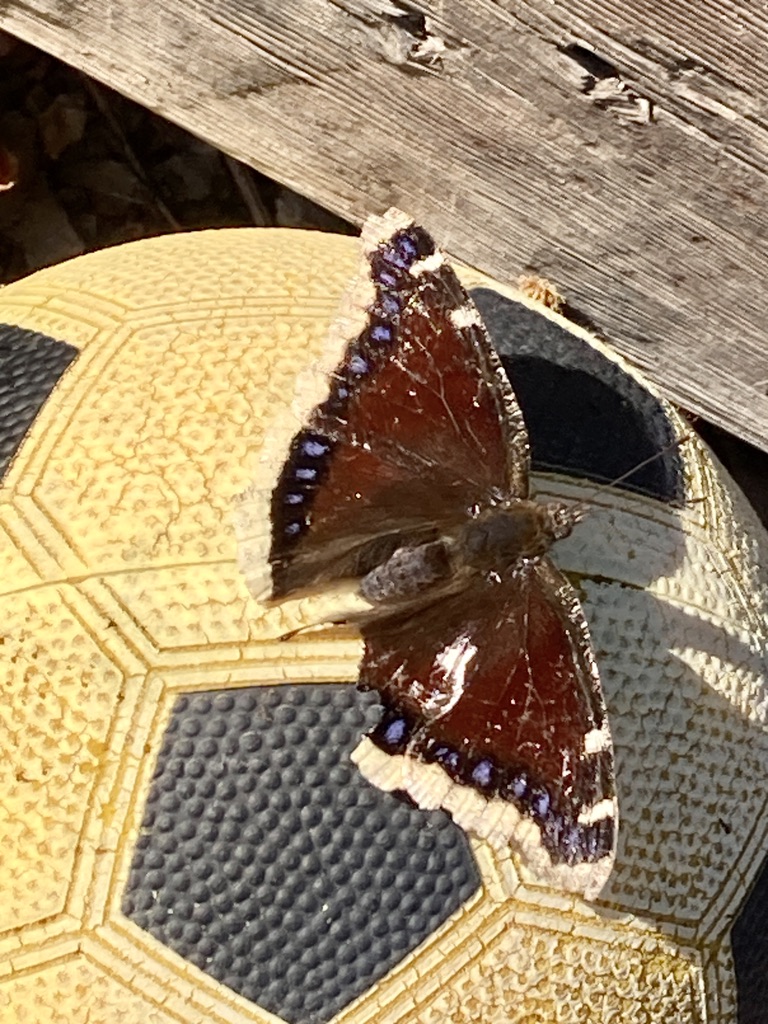
This courageous Mourning Cloak butterfly savors the rays of the afternoon sun on a random soccer ball just before the coastal fog rolled in.

Mourning Cloaks live longer than most butterflies—ten months or more— so I hope this one finds a sheltered spot during next week’s forecasted rainy weather.

Battered, bruised, but still beautiful, and glorious to behold as she warms her wings.

Looking Toward the Horizon

What a shiny December morning in SoCal!

Astronomically high tides known as King Tides will appear just before Christmas, forecasters say.

This phenomenon, which describes what are typically some of the highest tides of the year, are scheduled to occur on December 23 and 24, and can cause coastal flooding.

Winter Solstice at Stonehenge

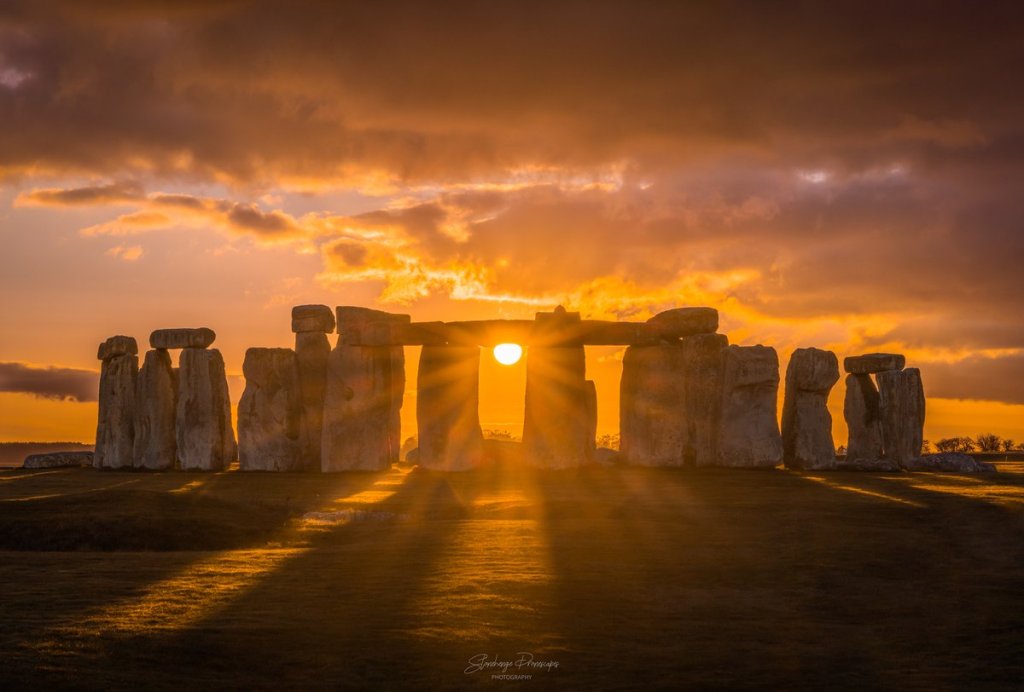
When the sun aligns through this gap in the stones it can only mean one thing… we’re close to the Winter Solstice.

Photo by Nick Bull https://twitter.com/EH_Stonehenge

Stonehenge was built to frame this annual solar event, so the monument has been silently marking the Solstice for thousands of years.

This shortest day of the year marks the official beginning of astronomical winter, as opposed to meteorological winter, which starts about three weeks prior to the solstice, according to almanac.com/content/first-day-winter-winter-solstice

To celebrate, try going on a nature walk, create a Yule log, set out seed for birds, light a candle, or build an indoor or outdoor fire.

What will you choose to do to celebrate the solstice tradition?

***

I found this lovely poem by British writer Susan Cooper

THE SHORTEST DAY

So the shortest day came, and the year died,
And everywhere down the centuries of the snow-white world
Came people singing, dancing,
To drive the dark away.
They lighted candles in the winter trees;
They hung their homes with evergreen,
They burned beseeching fires all night long
To keep the year alive.
And when the new year’s sunshine blazed awake
They shouted, revelling.
Through all the frosty ages you can hear them|
Echoing, behind us — listen!
All the long echoes sing the same delight
This shortest day
As promise wakens in the sleeping land.
They carol, feast, give thanks,
And dearly love their friends, and hope for peace.
And so do we, here, now,
This year, and every year.
Welcome Yule!

What’s Hanukkah All About?

Chag Sameach!

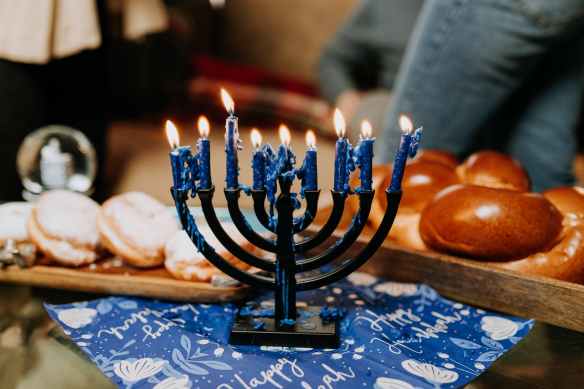
Photo by RODNAE Productions on Pexels.com

Mostly for me Hanukkah was all about getting presents for eight days, haha, but I know there’s another meaning, because I went to Sunday school and even Hebrew school for a while, which was kind of expected considering my grandfather was a rabbi.

Our Jewish Festival of Lights lasts for eight days and nights in honor of a 2,000-year-old miracle in which light won out over darkness.

This year Hanukkah started yesterday at sundown, and ends Monday, December 26. 

Hanukkah commemorates the dedication of the second temple in Jerusalem. In 164 BCE, the Jewish people revolted against the Greeks in the Maccabean War. After their victory they cleansed the temple and re-dedicated it.

There was an oil lamp there that only had one day of oil, but the lamp burned for eight days. This is called the miracle of the oil and is where the eight days of celebration comes from.

Like most of our holidays, food is key. Traditional Hanukkah foods include latkes and doughnuts fried in olive oil to represent the miracle of the burning oil lamp.

A bygone tradition was to give gold coins called gelt but today children are often given chocolate coins in a gold wrapping to make them look like gelt.

Besides receiving gifts, the star of the show is the menorah.

Menorah candles are to burn for at least half an hour after the sun sets.The menorah is a special candelabra with nine candles. Each day an additional candle is lit. The ninth candle is called a shamash. This candle is usually in the middle and set higher from the other eight candles to separate it from the rest. It’s the only candle that is supposed to be used for lighting the others.

Since this country seems to be in the middle of a disgusting new dark age of anti-Semitism and racism, it’s even more imperative that we stand up and speak out against prejudice and discrimination, once again bringing light into darkness.

There’s a lot of abhorrent history in this powerful image from Germany…

No photo description available.

During Hanukkah 1931, Rachel Posner, wife of Rabbi Dr. Akiva Posner, took this photo of the family Hanukkah menorah from the window ledge of the family home looking out on to the building across the road decorated with Nazi flags.

Shine the light.

RIP P-22: The Mountain Lion of LA’s Griffith Park

Even if you’re not from Southern California, there’s a good chance you’ve heard of P-22, a mountain lion that resided in Griffith Park in Los Angeles, on the eastern side of the Santa Monica Mountains.

Somehow he crossed freeways to settle in the rugged, chaparral-cloaked slopes of one of the largest municipal parks in the United States. He remained there since then, hunting mule deer and other animals for food in the natural areas of the park.

I think photo credit goes to NatGeo

P-22 was first identified in 2012 and was the subject of significant media attention, also as the subject of books, television programs, and works of art. He even had his own Facebook page, courtesy of savelacougars.org/

He wasn’t just a big cat. He was a symbol of resistance, resistance to the idea that LA has no wildlife, to development in his own backyard, to dwindling numbers of mountain lions in SoCal.

P22 had been living in Griffith Park for about ten years, but it’s as if he was actually trapped. He could never find a mate as no other mountain lion could reach the park without getting killed on the freeways. 

What a confusing world he must’ve lived in with all these loud humans with their fast cars and concrete. For me, he served as a reminder (along with coyotes and bobcats) that we have always been the invaders. They were here first.

A mountain lion believed to be the famous P-22 allegedly attacked and injured a small dog in Silver Lake until he was scared off by the pet’s owner. After that, he was captured and sedated for medical testing to evaluate his condition.

So far, I haven’t found satisfactory answers to my questions about why he wasn’t previously relocated, moved to a sanctuary, or helped before he reached such a deplorable physical condition. It seems to me as if he was used as a test subject solely for the purpose that his movements and actions could be studied by humans.

Did anyone actually CARE about HIS quality of life?

However, when he was captured, according to the LA Times, the wildlife agencies said in a joint statement that they had “already been in contact with leading institutions for animal care and rehabilitation centers”.

Too little, too late.

In 2016 it was believed that he killed and ate a koala from the LA Zoo,

California mountain lions are a “specially protected species.” Killing a mountain lion without a depredation permit is a misdemeanor punishable by up to one year’s imprisonment in the county jail or a fine of up to $10,000.

P22 was the focus of research led by federal biologists trying to “better understand how mountain lions are surviving in increasingly urbanized and fragmented habitat,” said Kate Kuykendall, acting deputy superintendent of the Santa Monica Mountains National Recreational Area. (Curated from https://www.baltimoresun.com/la-me-mountain-lion-to-remain-20160316-story.html)

Officials wept when announcing the decision and shared images of a severe herniation of his abdominal organs. Multiple organs were shutting down and he had a parasitic infection. The poor old guy was in pain and suffering. At that point, there was really no other compassionate solution. Sadly, I agree.

Is there no end to human cruelty, the tendency to exploit other living creatures? How disgusting.

Rest in peace and freedom, you beautiful creature.

You can pay to watch the video, P22: The Cat That Changed America here:https://www.earthtouchnews.com/video-on-demand/p22-the-cat-that-changed-america/

or view a short version on YouTube:

🐾

What I’m Reading: The Bowl of Light

Aloha and mahalo…

Year’s end often brings reflection and this book about light is a gratifying metaphor for ending 2022 and starting fresh with a full bowl of love and light in 2023.

The symbol of a bowl of light holds a relevant message to help us explore our limitations, how we can commit to releasing them, and learn to live in harmony.

I wrote about this book in Giving Thanks and since then, I received it as a thoughtful gift and I’m enjoying it so much that I wanted to share it with everyone.

In 1996, a revered Hawaiian elder befriended an American anthropologist, and from their rare and intimate rapport, something miraculous emerged. Through the words and teachings of the kahuna wisdom-keeper Hale Makua, Dr. Wesselman was gifted with an enhanced perspective into the sacred knowledge of ancient Hawaii.

Author Hank Wesselman, PhD, is a paleoanthropologist and shamanic teacher who has worked with noted anthropologists investigating the mysteries of human origins in Africa.

Before his passing, elder Makua encouraged Dr. Wesselman to convey much of what had passed between them to the wider world, giving him permission to share his spiritual knowledge, including:

The Bowl of Light—how we can restore our natural divine radiance
• The three directives of the spiritual warrior—love with humility, live with reverence, and know with self-discipline
• Rituals for communing with nature, receiving wisdom from the spirit world, purifying our consciousness, and more
• The Ancestral Grand Plan—exploring the path our ancestors set in motion millennia ago, and how the Plan is playing out across the world today

***

Along with the the ancient Hawaiian practice of Ho’oponopono about forgiveness, there’s a lot of wisdom we can gain from native Hawaiian culture.

“I’m sorry, Please forgive me, Thank you, I love you.”

***

I started to research more of the island’s ancestral traditions and discovered the Huna Principles from Kauai, one of the most beautiful places on this planet.

Ho’ihi . . . Respect

The seven principles of Huna were passed down as part of another Hawaiian family’s oral tradition – the Kahili family of Kauai and these have been presented in a contemporary form by Serge Kahili King. The story of the Bowl of Light provides an illustration of these Huna principles in action as follows:

Ike: Awareness

The story teaches us to become aware of how the choices we make can affect us for better or worse. It is valuable to become aware of the extent that your own bowl is comprised of stones or light. Awareness provides the starting point for change.

Kala: Freedom

We can limit and constrain ourselves to such a point that it is as though we stop growing, we get stuck. When we experience, and hang onto, emotions such as fear, anger and jealousy, it is like we are dropping another stone into our bowl which means we experience less light. We can also free ourselves from such limitations and flourish. We have the ability to release limitations.

Makia: Focus

We choose where to focus- either towards empowering feelings and behaviours or away from feelings and behaviours that disempower us. The choice is ours in any given moment.

Manawa: Presence

The light is always there, even if at times it seems to be fully obscured by stones. If we so choose, change can be quick and it is never too late to change. We can simply turn the bowl upside down and let go of the all the stones and make room for the light.

Aloha: Love

Love and heart-centered practices increase our strength and well-being. To love is to be happy with – we experience light to the extent that we focus on aloha – light and stone cannot occupy the same space. To the extent that we have light in our bowl, we are connected to our true nature and spirit. We are all connected and our own individual light contributes to lighting the world for everyone.

Mana: Power

We have the power to make changes in our life for the better. It is up to us to take responsibility and be the authority in our own life.

Pono: Effectiveness

The tale is a metaphor for living effectively. It reminds us how we can be pono – in a state of harmony with oneself, others, nature and life itself.

Pete Dalton ©2020.  This article first appeared on Aloha International.

Chakra Awakening Chart

I thought this was super cool and wanted to share.

Word of the Day: Psithurism

I love words and this is a good one.

Psithurism: a rustling or whispering sound, such as leaves in the wind; susurration [ sith-yuh-riz-uhm ] 

Example: Standing in the glade I heard a quiet psithurism, just straddling the line between music and noise.

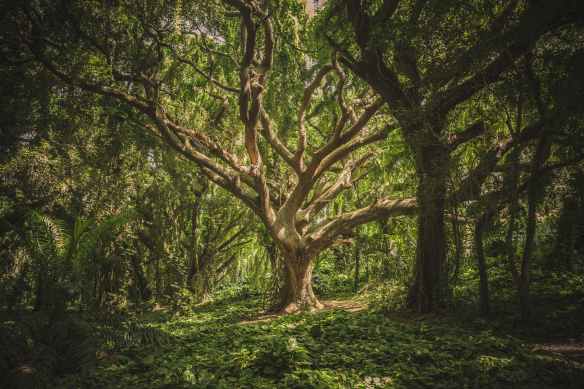
Photo by veeterzy on Pexels.com