Magical Places

“Magical places are always beautiful and deserve to be contemplated.
Always stay on the bridge between the invisible and the visible.”
Paolo Coelho

Found on Pinterest

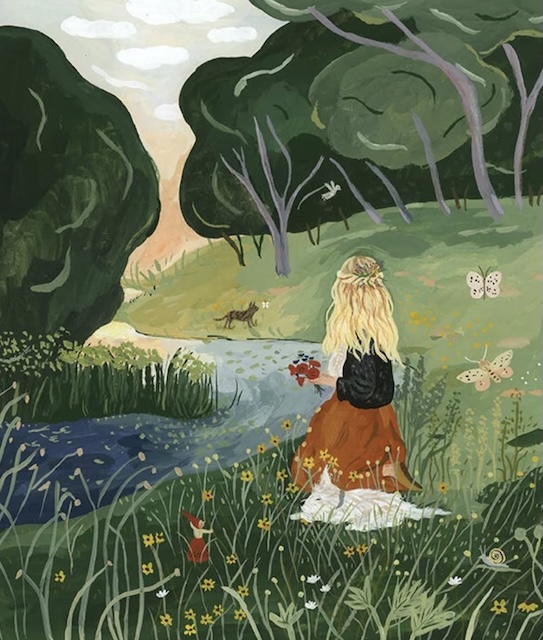
This is heavenly…no phones, no social media, no distractions; simply a butterfly-filled meadow alongside a sunshiny, babbling brook.

This pic reminds me of one of my favorite songs by (who else) Leon Russell, Down On Deep River. It evokes the perfect, serene mood…

“Hear the crickets singing for a mile
And the sound of the bullfrogs make you smile
So lead me beside the still waters
Let me love you down on deep river.

Won’t you sit by my side
And hold to my hand and love me all the way?

And we’ll leave all the highways far behind
And just take a little blanket with the wine.”

Plant Seeds of Serenity

With all the powerful planetary energies at play right now and everything else in this country that almost too horrible to even think about, it seems like a great time to get grounded, to literally get back to what’s simple and healing — and that’s where you’ll find me, in the garden planting seeds of serenity (and flowers).

A garden must combine the poetic and the mysterious
with a feeling of serenity and joy.
– Luis Barragan

Photo by Enchanted Seashells

Seijaku: Word of The Day

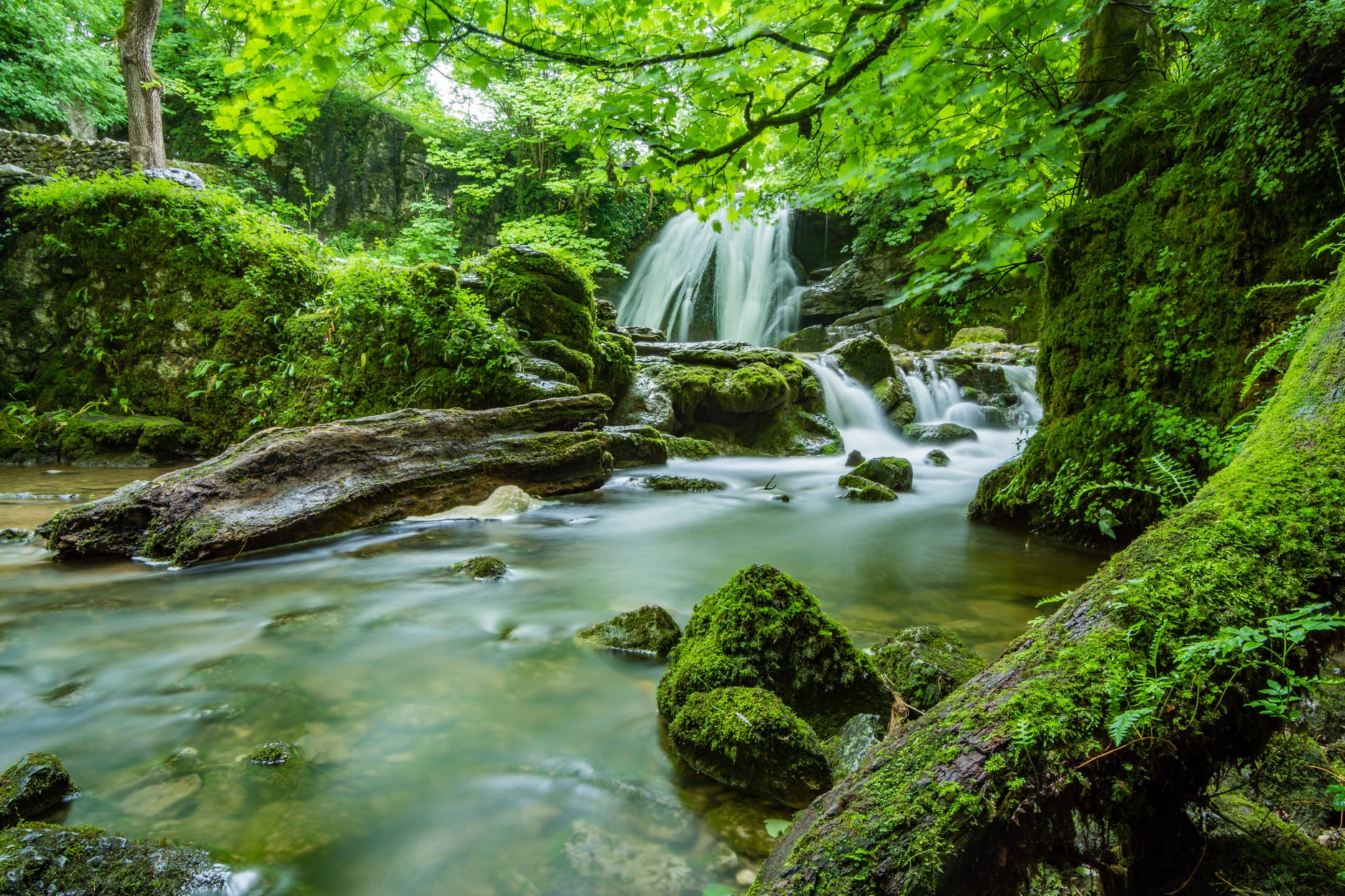
Photo by Pixabay on Pexels.com

Seijaku: stillness in the midst of activity, is an advanced and powerful form of T’ai Chi Chih.

“The Japanese speak of Seijaku as serenity in the midst of activity. Not escaping from the world to some mountaintop as is taught in the Indian teachings. But finding the real meaning, fulfillment, energy and wisdom in the midst of everyday hustle and bustle – building a silent and imperturbable center while active in the disappointments and triumphs of our busy lives. This is real fulfillment.” Justin Stone Speaks on T’ai Chi Chih®

Seijaku (stillness, tranquility, solitude): The principle of seijaku emphasizes the fundamental Zen theme of emptiness, which implies an inexhaustible spirit.

It is in states of active calm, tranquility, solitude, and quietude that we find the very essence of creative energy. Silent pauses in music, as well as motionlessness in dance and theater, illustrate the power of seijaku.

In meditation, we strive to achieve self-awareness and focus, to learn how to quiet our mind.

I think that’s why it’s called a practice, because it’s a daily exercise to try and attain and actualize that state of being.

Some days it works; often it does NOT, but it’s a life goal. My brain often goes off on a tributary, thinking of funny things like the Seinfeld episode where George Costanza’s dad screams “Serenity, NOW!” (I’m working on that; like I said, it’s a practice…)

Come Home

Come home to nature. The forest is magical and full of sparkles.

Come home to the forest
Where time goes slow
and the breath is mellow
Where thoughts find rest
and calm comes to nest .
Come home to the woods
to be friends with trees
and listen to the breeze
to wander through trails
and mend your sails .
Come home to nature
when your heart is hurting
or your soul needs healing .
When something feels wrong
or you just need a place to belong .
The forest awaits
Come home, be healed …

-Bidushee Phukan-

Art by Elaine Bayley. Curated from Coyote Watch Canada

Garden Whispers

So simple and so true.

I’m not sure where this graphic originally came from, but I found it on Pinterest.

Soul-itude

It’s always a good time for peace and quiet, what I’ve started to refer to as “soul-itude”.

I need solitude, which is to say, recovery, return to my self, the breath of a free, light, playful air. ~ Friedrich Nietzsche

Photo by Pixabay on Pexels.com

I can’t say that I ever read Neitzsche before my son wrote his dissertation, but this quote reveals to me one of the reasons why Nietzsche resonates with him. Like me, my son loves to be outside; hiking, camping, or in the garden — planting, pruning, and thinking.

Where do you find YOUR soul-itude?

Ma…The Space Between Things

I’m inspired by the spartan aesthetic of Zen Buddhism.

Is less really more?

Ma (pronounced “maah”) is a celebration of not things, but the space between them. It’s negative space, voids, emptiness. The place you get to (if you’re lucky) in meditation. Like the space where that tree used to be.

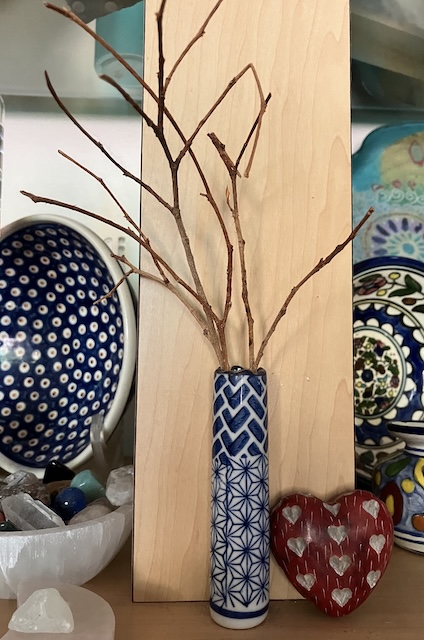
I’m not exactly sure why this tiny little ceramic vase IS. Like why it even exists.

Only four inches tall, it holds about a tablespoon of water and I continued to replace flower after flower until I got the brilliant idea of searching around the garden for beautifully shaped little twigs.

These are the last remnants of the ficus tree that is no longer there, and I decided it would be a simple way to honor that once living entity by saving a little part of it.

At first I was going to embellish the tiny branches with faux gems, pearls, and seashells–like I usually do–but the more I looked at it, the more I loved the bare simplicity. I didn’t want to detract from the design of the vase.

I should write a haiku about the tree and these twigs. Being a minimalist with words is just as difficult for me as NOT gluing shiny things to those tiny little branches.

So this is zen — ma, the serene space between things.